


Top-rated arborists.

Best arborists near Reynolds, GA

Enter your zip and get matched with up to 5 pros

Need a pro for your arboricultural service project in Reynolds, GA?

Select your specific project to find the pro for you.

TRUSTED BY REYNOLDS, GA HOMEOWNERS

  • Average homeowner rating star icon4.6
    Average homeowner rating
  • Verified reviews icon93
    Verified arboricultural services reviews

Top-Rated Arborists in Reynolds - Updated Nov 2026

...
Showing 1-10 of 98
Arborists FAQs, answered by experts

No, you cannot plant a tree above a gas line. Tree roots grow and spread over time and can sometimes dent, crack, or penetrate a gas line. Those same roots may also cause accessibility problems for maintenance or repairs. You can generally plant vegetation with non-invasive root systems, low-growing vegetation, and flower beds near gas lines. 

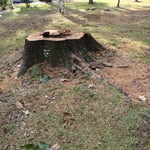
If a tree stump is removed properly, the chances of a tree growing back are low. However, if a tree has a robust root system, roots can sometimes sprout and someday grow into a tree. The chance of regrowth will depend on several factors such as the type of tree, soil quality, and strength of the root system. In general, it is not recommended to plant a tree where a stump was removed.

Yes, tree roots can regenerate after they’re pruned or cut. In fact, trimming can stimulate new growth, especially in healthy trees. The tree’s roots can still grow back even after a tree is cut down, (and learning how to get rid of regrowing tree roots is a separate feat). Still, if you don’t wish to harm a tree, pruning the roots should be done with extreme care, and ideally by a professional.

Stay inside or well away until the storm passes. Don’t go outside to inspect the tree until the weather clears, especially if the tree is on a hill or isolated in a field. Lightning often strikes the same easily-accessed places multiple times, and you could be a new target. If a lightning strike causes a noticeable fire, alert emergency services. When the storm is over, take a closer look to gauge the damage done.

Some fast-acting products can rot a tree stump in four to six weeks. Keep in mind, these products contain harsh chemicals that may prevent regrowth in the area. Other products, like fertilizer that contains lots of nitrogen, can enhance the process and rot a stump in about a year. (This is compared to the ten years it can take naturally for a stump to rot.)

The Reynolds, GA homeowners’ guide to arboricultural services

From average costs to expert advice, get all the answers you need to get your job done.