
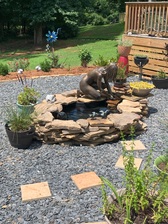

Top-rated landscapers.

Best landscapers near Newborn, GA

Enter your zip and get matched with up to 5 pros

Need a pro for your landscaping project in Newborn, GA?

Select your specific project to find the pro for you.

TRUSTED BY NEWBORN, GA HOMEOWNERS

  • Average homeowner rating star icon4.5
    Average homeowner rating
  • Verified reviews icon130
    Verified landscaping services reviews

Top-Rated Landscapers in Newborn - Updated Nov 2026

Avatar for ALBERTO LANDSCAPING
ALBERTO LANDSCAPING
4.7(
73
)
Sod - InstallLandscape - Install Landscaping for Yard or GardenDrywell - Construct or Rebuild+5 more

Serving Newborn, GA and surrounding areas

Approved

Super Service Award Winner

In business since 2021

Free estimates

Warranties offered

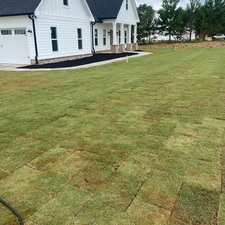
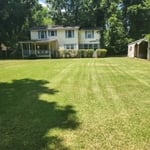
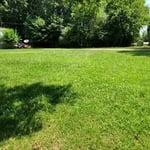
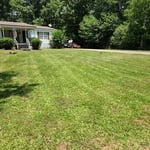
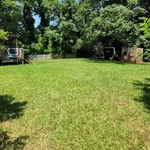
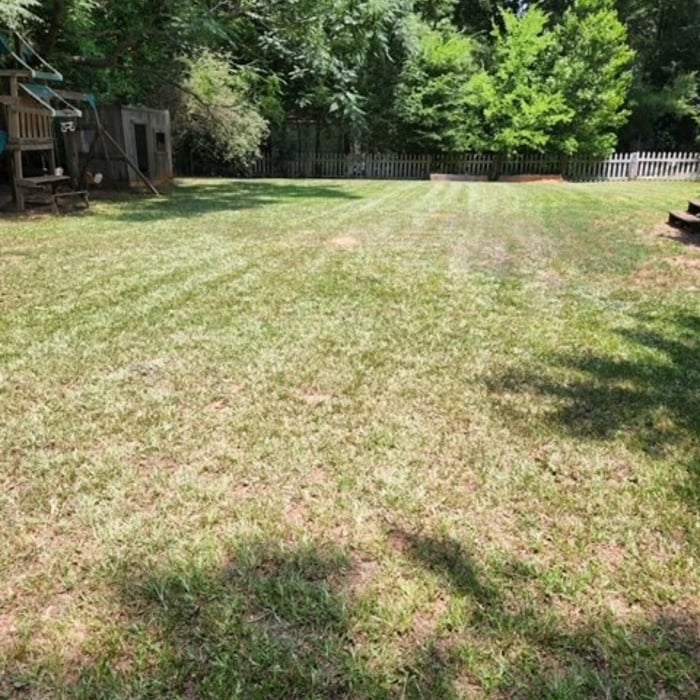
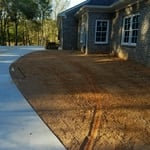
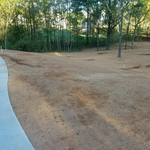
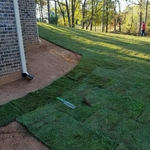
"Alberto with AB landscaping came by and gave me a quote for the landscaping work that included some slight grading of my back yard and installing Bermuda sod. We ordered the sod and the day before it was delivered Alberto and his crew came by and completed the grading work and returned the next day and layed the sod. Great job AB landscaping my backyard looks great. Thank you for a job well done"
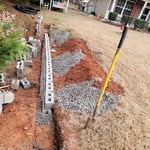
Additional Photos
Additional Photos
Additional Photos
Additional Photos
Additional Photos

+40

Response time2 days
Response rate100%
9 neighbors recently requested a quote

Avatar for Oconee Landscapes
Oconee Landscapes
4.5(
8
)
Landscape - Minor Grading or ReslopingRetaining Wall - InstallLandscape - Minor Grading or Resloping - For Business

Serving Newborn, GA and surrounding areas

Approved

In business since 2025

Free estimates

Credit card accepted

"They were fabulous! I hired to clean up the backyard and build a little pond out back. In addition to the backyard, they trimmed up my bushes all around the house and placed pine straw and mulch around the property. It looked really clean and professional. I would definitely recommend these guys; super friendly and efficient :)"
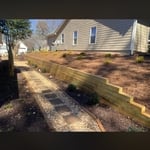
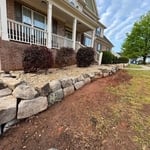
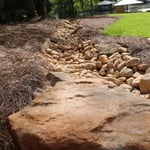
Retaining wall
Retaining wall
6 neighbors recently requested a quote
Avatar for Exterior Strategies
Exterior Strategies
4.9(
8
)
Sod - Install

Serving Newborn, GA and surrounding areas

Approved

In business since 2020

Free estimates

Emergency services offered

"HLC SOLUTIONS did a great job removing the junk from my property as well as tearing down and removing a dilapidated shed i had. They were fast very friendly and left my property looking nice and clean. I highly recommend this company"
Response time4 days
Recommended by100%of homeowners
...
Showing 1-10 of 492
Landscaping FAQs, answered by experts

Unless it only rains once in a blue moon where you live, you’re going to want water-loving plants in your garden bed or pot. A few ideas for plants that aren’t super fast-growing (meaning they’re good in pots or near foundations) and can handle a lot of standing water include: 

  • Acorus (Sweet flag)

  • Colocasia esculenta (Taro or elephant ear): In many climates, these are annuals, making them less desirable because you need to adjust the chain again after each replant.

  • Equisetum scirpoides (Dwarf horsetail rush): non-dwarf varieties of horsetail are fast growers and can take over quickly.

  • Juncus effusus (Curly rush)

  • Osmunda regalis (Royal fern): Royal fern can grow quickly but can also handle being crowded, making them good container plants.

The best time to plant a tree is in the spring, so the roots have time to grow into the surrounding soil before winter sets in. Some people recommend planting in the late fall. However, planting in the spring reduces the stress on the tree, as it will be emerging from dormancy, giving it the full spring and summer ahead to acclimate and put down roots into the soil.

While there are over 400,000 different flowering plants worldwide, there are five main types of flowers. These flower types are based on their lifecycles, giving each type a unique personality. These types are:

  • Annuals, which complete their entire life cycle within a single growing season. 

  • Perennials, which the tops die off in the winter but regrow in spring. 

  • Biennials, which complete their entire life cycle within two years.

  • Hybrids, which exhibit either annual or perennial behaviors depending on location

  • Flowering shrubs, which are small to medium-sized perennial woody plants, such as shrubs or evergreens.

A scattering of leaves won’t pose a problem through the winter, but a thicker layer of leaves may not decompose before the first frost and can instead weigh down your grass and harbor mold or fungi. A thick layer of leaves also cuts off light and air that grass needs to grow. That’s why we suggest removing thick leaf layers within several days if possible. If your lawn goes dormant over the winter and snow has already caught up with you, then remove the leaves in early spring before your grass-growing season starts so your lawn can thrive.

As much as you might try to keep a healthy, nutrient-rich lawn, you still may notice signs of St. Augustine decline (SAD)—a viral disease that discolors your grass blades. St. Augustine decline looks like:

  • Discoloration in the leaves (chlorosis)—leaves appear yellow and splotchy

  • Decline in growth

  • Leaves turn black within 3 years

  • Grass appears less vibrant

  • Grass begins to thin

  • Root rot

  • Grass takes longer to recover

The Newborn, GA homeowners’ guide to landscaping services

From average costs to expert advice, get all the answers you need to get your job done.