




Top-rated arborists.

Get matched with top arborists in Homerville, GA

Enter your zip and get matched with up to 5 pros

Need a pro for your arboricultural service project in Homerville, GA?

Select your specific project to find the pro for you.

Find Arborists in Homerville

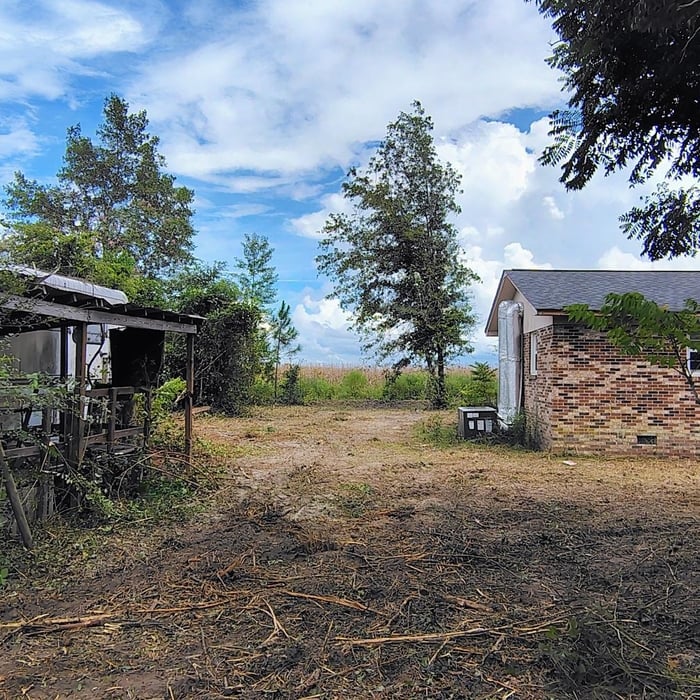
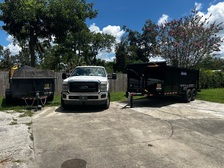
R&J Tractor & Land Services
New to Angi
Tree Stump - Remove

Serving Homerville, GA and surrounding areas

Approved

Free estimates

Small jobs welcome

Offers commercial services

We are built off of honesty and Integrity. We take great pride in our experience, expertise, quality and customer service that we provide to meet your needs. It is our mission to provide excellent workmanship and complete customer satisfaction from start to completion of a project. In order to understand the needs and expectations of our customers, we take great care to work and communicate with every customer on a professional manner. Our reputation is based on service, safety and quality, regardless of how large or small the job.

Property reclamation

+41

2 neighbors recently requested a quote
Trinity General Contracting Pros
New to Angi
Tree RemovalTree Stump - RemoveTree Stump - Remove - For Business

Serving Homerville, GA and surrounding areas

Approved

Free estimates

Emergency services offered

Warranties offered

\n Trinity General Contractor Pros is a full-service residential and light commercial contractor delivering quality craftsmanship with integrity and reliability. We specialize in roofing installation and repairs, Fortified roofing systems, storm damage restoration, siding, soffit and fascia repair, gutters, windows, doors, framing, structural repairs, drywall, remodeling, and new construction. From minor repairs to full roof replacements and hurricane restoration projects, our team is committed to doing the job right the first time. We provide thorough inspections, insurance claim support, and dependable project management to ensure every project is built strong and built to last.

...
Showing 1-10 of 72
Arborists questions, answered by experts

A pro can guide you on the alternatives to tree topping depending on the specific issues within your trees. For example, if you’re dealing with breakage and cracks in your tree, they may suggest canopy reduction, which removes less than 25% of the tree’s limbs. If you’re dealing with lesser damage, some intentional pruning may be all you need. If you’re looking to get a clearer view through your tree, the pro may also try windowing or skirting your tree.

In most cases, your neighbor is responsible for roots from their tree that cause damage to your property. If your pavement, the foundation of your home, or a fence is damaged by roots from a neighbor’s tree, you likely will have legal recourse for financial relief. While it’s better to notify your neighbor of any problems you notice as soon as they arise to avoid costly damage, there are some instances where filing a civil suit is your only recourse. Your homeowner’s insurance company might wish to do so on your behalf if you file a claim.

Trees don’t usually grow back after being cut down. Some particularly robust tree species may start sending up new stems from a stump to recover, but those stems won’t become a “tree” like before. Generally, trees don’t recover from being entirely cut down, which is why it’s important to be careful when making a decision. When you cut down a tree, it’s a good idea to make plans to remove the stump, even if it’s unlikely to grow back.

It can be bad to leave a dead stump in the ground. A stump becomes a hefty piece of dead wood in time and eventually (especially with the help of rain) starts to rot. That makes it a locus point for diseases and pesky insects, as well as a bit of an eyesore. It’s best to remove a tree stump completely before it starts to decay, especially before it starts to fall apart. If the tree was removed because of disease, it’s even more important to fully remove the stump if possible.

The best time to transplant a tree is when it is dormant. For many trees, this means either in the fall after the leaves have dropped (around October or November) or in early spring before new growth begins (around March). The ideal timing can depend on the type of tree. Deciduous trees do well when moved in early spring or fall, while evergreens are best transplanted in early spring or late summer. For example, pine trees are best moved in early fall, but maples prefer late fall. Avoid transplanting in winter, as the frozen or hard, cold soil poses a significant risk to the roots and prevents the tree from acclimating properly.
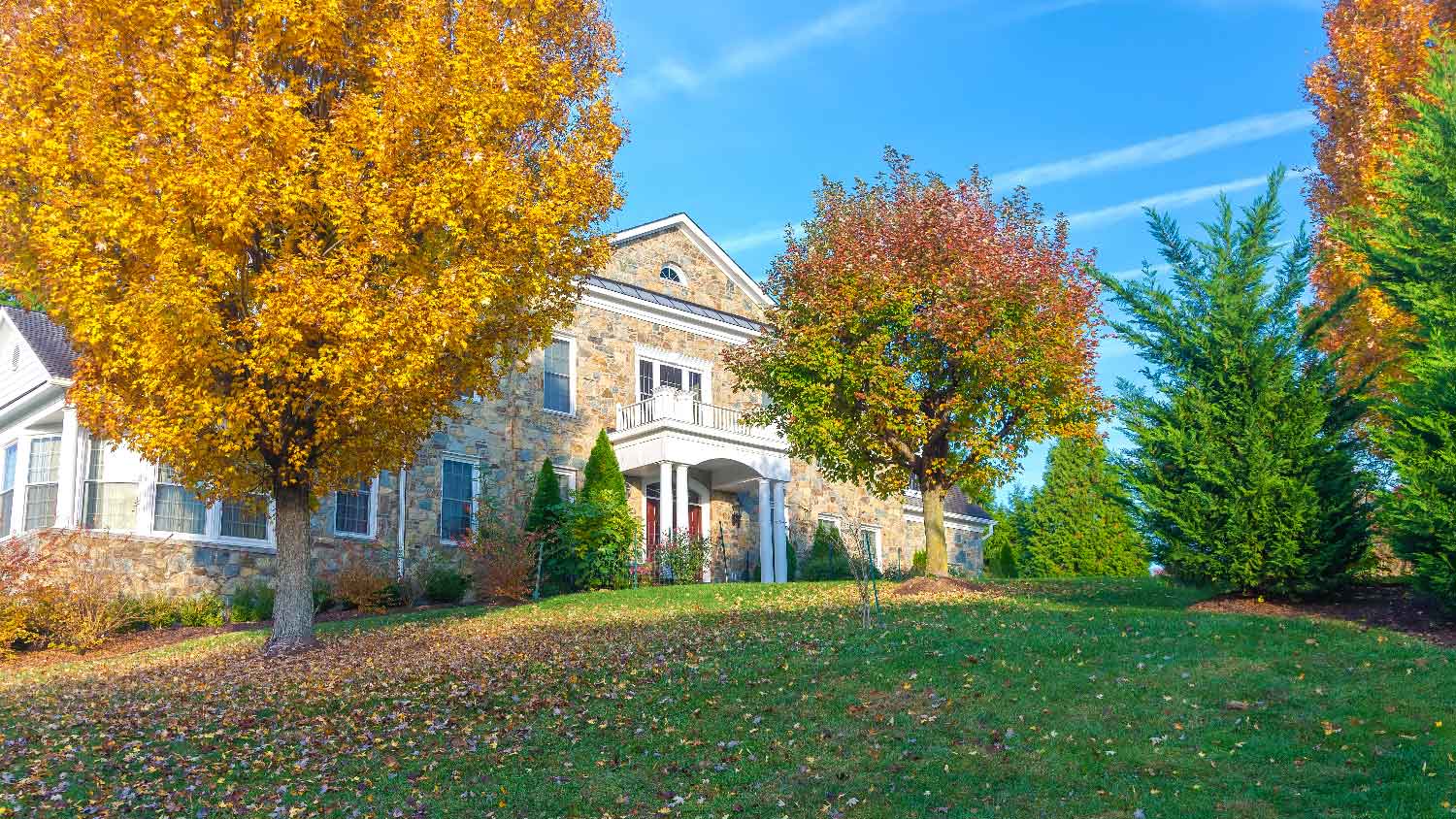
The Homerville, GA homeowners’ guide to arboricultural services

From average costs to expert advice, get all the answers you need to get your job done.