


Masters Generators & Electrical Service, has been illuminating the metro Atlanta region and its surrounding counties since 2017. With a legacy rooted in over 40 years of electrical contracting experience, our expertise shines through in every project. Specializing in electrical wiring installation, we cater to both residential and commercial sectors, offering tailored solutions for new constructions as well as remodels. Our commitment to excellence is unwavering, and our goal is clear: to deliver top-tier electrical services that align with the needs of the cost-conscious customer. As we continue to grow and evolve, our dedication to integrity, safety, and quality remains at the forefront of our operations.
Today, we're proud to be the world's largest home improvement retailer. In 2,300 stores across North America, we aspire to excel in service to our customers, associates, communities and shareholders. That's what leadership means to us. That's The Home Depot difference.
Big Patriot Home Remodeling is committed to excellence in every aspect of our business. We uphold a standard of integrity bound by fairness, honesty, and personal responsibility. Our distinction is the quality of service we bring to our customers. Accurate knowledge of our trade combined with ability is what makes us true professionals. Above all, we are watchful of our customers' interests and make their concerns the basis of our business.
No, you should never plug a generator directly into a wall outlet in your house. This practice is extremely dangerous, often illegal, and can cause "back-feeding," where power from the generator flows back into utility lines, creating a life-threatening hazard for utility workers. It can also damage your home's electrical system, including appliances like pumps and HVAC fans. If the main power is restored while the generator is connected, it can destroy the generator and cause an electrical fire. To safely connect a generator, you must use a professionally installed transfer switch or an interlocking kit, which prevents back-feeding by disconnecting your home from the utility grid before the generator provides power.
You can determine what size generator you need for a transfer switch by matching the switch to the largest outlet on your generator. Larger generators can power up to 10 circuits, while most 5,000-watt generators can provide power to six circuits. So, if your generator’s largest outlet is 30 amps, you’ll need a 30-amp transfer switch.
Carbon monoxide emissions aren’t only dangerous to human life, but they also harm our planet. While natural gas generators emit lower levels of CO than other fuel sources, there are still ways to reduce emission levels. For example, shop around for an eco-friendly generator that complies with current emission standards. Also, make sure your generator is serviced regularly to avoid CO buildup.
In many cases, yes. There are models called dual-fuel generators and fuel switches, but only between certain types of fuel. For example, with the right setup you can convert a generator from natural gas to propane. Some allow switching between diesel and gasoline. There are even tri-fuel generators available in some cases, which adds a large layer of security if you are worried about fuel availability in times of crisis. Always check your generator capabilities and manual instructions before trying to switch fuels. Some generators can use another fuel but may need a fuel conversion kit to prep them first.
If your home already has a grinder pump and you’re still noticing issues (like frequently clogged toilets and sinks), it could be time to upgrade your grinder pump. Start by checking your existing horsepower. If there are four or fewer people living in your home, using a 1/2-horsepower grinder pump should be sufficient. Larger households should consider investing in a 1-horsepower grinder pump to maximize wastewater removal efforts.
The Georgetown, GA homeowners’ guide to generator installs
From average costs to expert advice, get all the answers you need to get your job done.
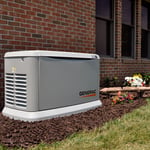
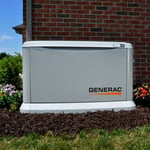
Natural gas generators are whole-home standby generators that are connected to your home’s natural gas line. The average cost for a natural gas generator is $12,000.
Generators should give you peace of mind, but you’ll only get that if your installer knows what they’re doing. Learn how to hire a pro and what red flags to look for.