

Top-rated sewer cleaners.

Get matched with top sewer cleaners in Fitzgerald, GA

Enter your zip and get matched with up to 5 pros

Need a pro for your sewer cleaning project in Fitzgerald, GA?

Select your specific project to find the pro for you.

Find Sewer cleaners in Fitzgerald

Avatar for Rebuilders
Rebuilders
4.5(
2
)
Sewer Main - ClearSewer Main - Clear - For Business

Serving Fitzgerald, GA and surrounding areas

In business since 1993

Emergency services offered

Credit card accepted

Rebuilders specializes in emergency commercial restoration across the Mid-Atlantic servicing West Virginia, Pennsylvania, Ohio, and Maryland, ensuring minimal downtime so you can get back to business as quickly as possible.

Mountaineer Field-house
After restoration of this charming bungalow!
Mountaineer Field-house

+13

Recommended by100%of homeowners
Sewer Cleaning questions, answered by experts

As a preventative measure, hydro jetting should be done every one to two years. However, the best practice is to hydro jet your sewer line once per year. The ideal frequency depends on several factors, including the age and condition of your pipes, how prone they are to clogging, how often the sewer line is used, and the type of waste disposed of in the system. If you frequently experience clogs or are unsure, it's best to ask a licensed plumber for a recommendation specific to your plumbing system.

In most states, companies that perform sewer cleaning services don’t need specific licensing, but you should always ensure you hire a licensed and certified plumber to get the work done. You can use our state licensing tool to check whether the potential sewer cleaning company holds a plumber’s certification and license. Hiring a certified sewer cleaning services guarantees that the work will be done safely, there won’t be additional damage done to your home, and the problem will be fixed.

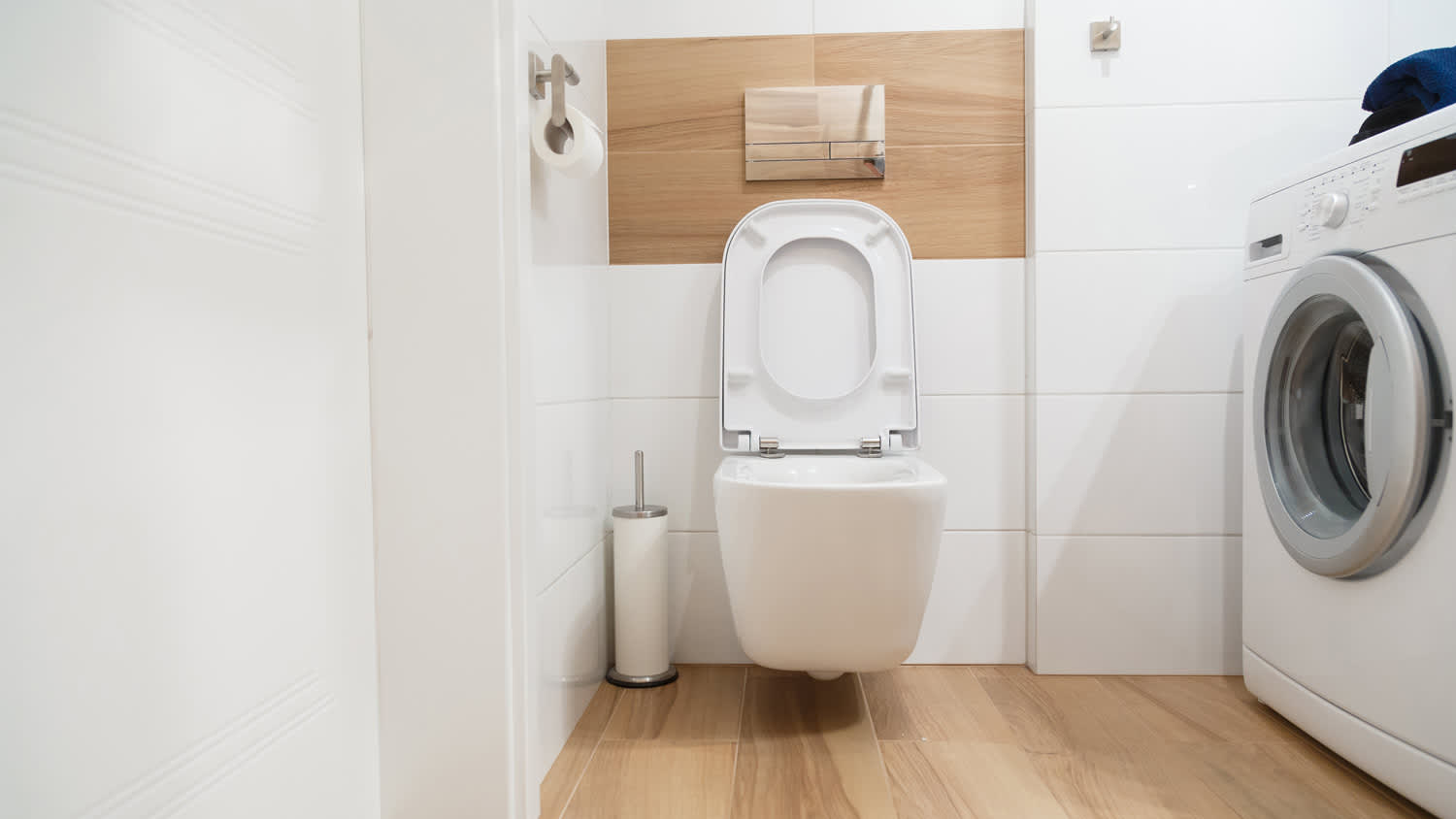
If you’re wondering whether rats can come up the toilet, the unfortunate answer is yes, it’s possible, though it’s extremely rare. These rodents are excellent swimmers and can travel through sewer pipes in search of food, and they may follow plumbing lines leading to your home if they’re drawn by the scent of scraps and waste. The toilet’s U-bend holds a small pocket of air, which can help a rat catch its breath before making its final push into your bathroom. While more common in cities with larger rat populations, this can happen anywhere with connected sewer systems; sealing entry points and keeping drains clean can help reduce the risk.

Never pour used motor oil down the drain. Doing so can have serious environmental consequences, including contaminating groundwater, endangering animals, and killing vegetation. It can also clog your pipes, causing backups in your plumbing or the wastewater treatment plant. In most places, pouring motor oil down the drain is illegal, whether you do it in your home or a storm drain.

Your sewer line can get grimy quickly. To prevent sludge buildup in your sewer line, pour a mixture of 1/3 cup of vinegar and 1/3 cup of baking soda down each drain in your home once a month. After about 30 minutes, flush the drain with hot water.

Some plumbers recommend 3/4 cup of bleach instead to clean any germs and bacteria that may build up in your sewer line. But this won’t break down any active clogs, and it cannot be combined with vinegar, as the mixture will create a toxic, hazardous gas.

The Fitzgerald, GA homeowners’ guide to sewer cleaning services

From average costs to expert advice, get all the answers you need to get your job done.