Top-rated leaf removal pros.

Best leaf removal pros near Camilla, GA

Enter your zip and get matched with up to 5 pros

Need a pro for your leaf removal project in Camilla, GA?

Select your specific project to find the pro for you.

Top-Rated Leaf removal pros in Camilla - Updated Nov 2026

...
Showing 1-10 of 175
Leaf Removal FAQs, answered by experts

If your roof was constructed between 1930 and 1970, there’s a possibility that the shingles contain asbestos. If that’s the case, you should hire a professional for repairs and replacement, as they’ll have the necessary equipment to stay safe from such a hazardous and cancer-causing substance. If your home was constructed after this period, it’s unlikely that the shingles in place are toxic. In most cases, asbestos shingles are not recyclable, while standard asphalt shingles are recyclable.

No, you can’t place hazardous waste in a dumpster unless you specifically ordered a dumpster for hazardous waste removal. If the dumpster company finds hazardous waste that it didn’t approve for dumping, the company will return the waste to you, and you’ll likely face a fine for illegal dumping.

Household products such as paints, cleaners, oils, and batteries are considered hazardous and should not be disposed of with regular household waste. Instead, look for local household hazardous waste collection facilities where you can safely dispose of these items without harming the environment or human health.

According to the Environmental Protection Agency (EPA), hazardous waste is generally classified into four main categories:

1. Characteristic Wastes: These exhibit at least one of four hazardous traits: ignitability (flammable, like gasoline), corrosivity (can rust or decompose materials, like car batteries), reactivity (unstable and can explode, like aerosol cans), or toxicity (harmful when ingested, like lead-based paint).

2. Listed Wastes: These are specific wastes from manufacturing and industrial processes that the EPA has officially designated as hazardous. They include byproducts from processes that use solvents, pesticides, and other chemicals.

3. Universal Wastes: These are commonly generated hazardous items that are subject to streamlined regulations. Examples include batteries, pesticides, mercury-containing equipment (e.g., bulbs), and some lamps.

4. Mixed Wastes: This category includes waste that contains both hazardous and radioactive components, making it subject to regulation by both the EPA and the Nuclear Regulatory Commission.
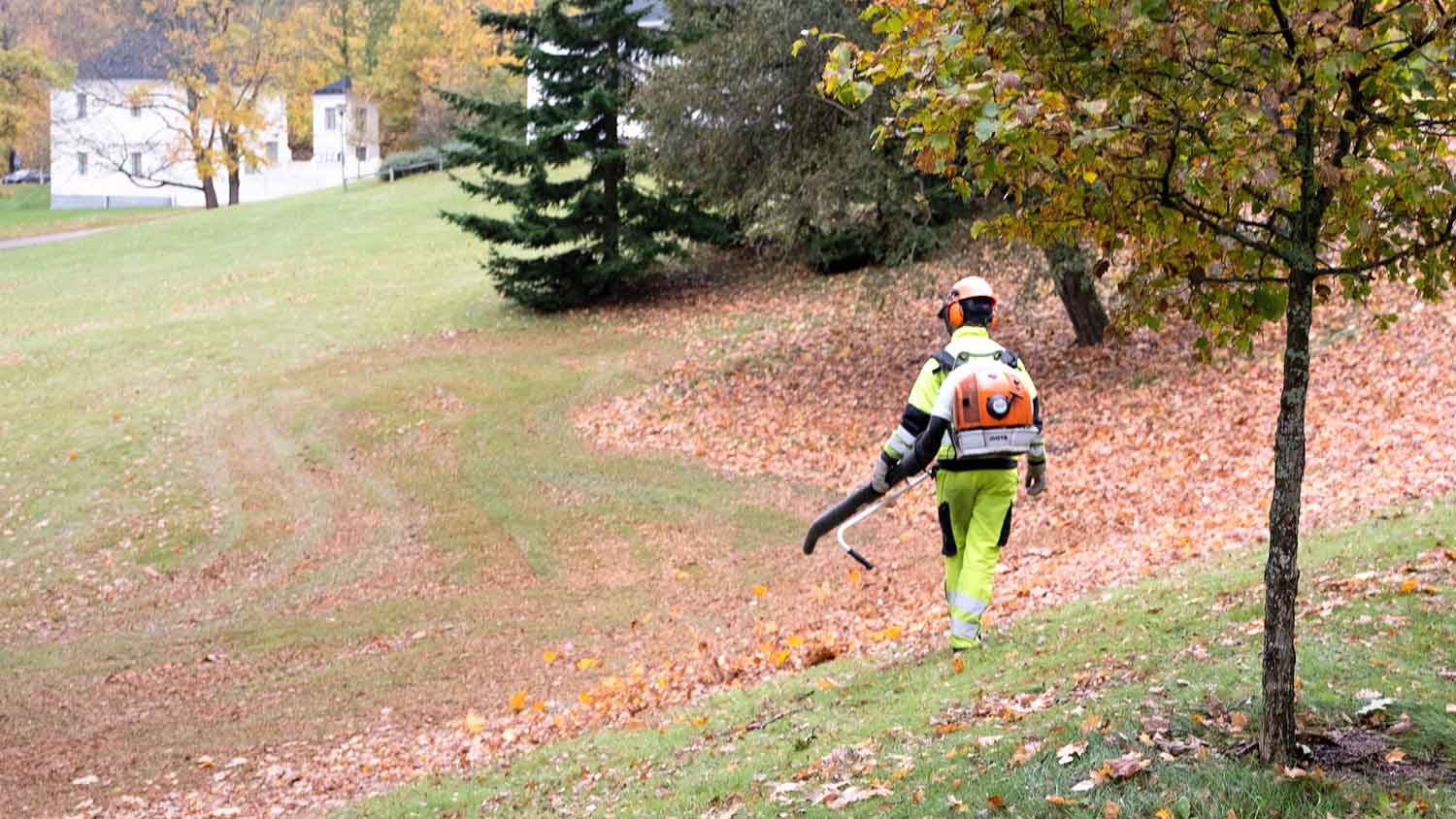
Professionals use appropriate equipment to prevent property damage and ensure efficiency.

The Camilla, GA homeowners’ guide to leaf removal services

From average costs to expert advice, get all the answers you need to get your job done.