The signs of asbestos exposure are often subtle and may not appear for many years, or even decades, after initial contact. This long latency period is one of the primary dangers associated with asbestos.
When symptoms do manifest, they can include:
Shortness of breath
A persistent, dry cough
Chest pain or tightness
Fatigue
Wheezing
Weight loss
Difficulty swallowing
A dry, crackling sound from the lungs when breathing
These symptoms are non-specific and can be mistaken for other respiratory conditions, making diagnosis challenging. Prolonged exposure can lead to serious diseases as the asbestos fibers cause scarring and inflammation in the lungs. These conditions include asbestosis, lung cancer, and mesothelioma.
Due to the vague nature of early symptoms, regular medical check-ups are crucial for anyone with a known history of asbestos exposure, particularly in an occupational setting. If you suspect asbestos is present in your home, a professional inspection is recommended.
Asbestos is absolutely cancerous. In fact, around 4% of all lung cancer cases are the result of asbestos exposure. This is why we recommend a full, professional removal and cleaning of any asbestos found in your home. If you are unsure whether there is any present, you should call a pro who will inspect your property.
Even a single, one-time exposure to asbestos can be harmful and pose health risks. According to the EPA, any contact can increase the risk of developing asbestos-related diseases and certain types of cancer, although the likelihood of severe health issues increases with repeated or prolonged exposure.
The severity of a single exposure depends on factors like the duration, intensity, and concentration of the asbestos fibers. While a small amount is less likely to cause significant damage, a high concentration can lead to serious long-term lung damage. Individual reactions vary, and asbestos-related illnesses may not appear for 10 to 40 years after inhalation.
Given these risks, always take precautions around any material suspected to contain asbestos. Personal protective equipment (PPE) may not be completely effective. If you suspect asbestos is in your home, hire a professional for testing and removal. If you are worried about a potential exposure, consult your doctor.
DIY kits are available, but professional testing ensures accurate results and compliance with regulations.
Unfortunately, home inspections do not check for asbestos because of the liability factor involved. That’s why you should hire a trained professional with specialized equipment to test for it.
They will inspect all areas of the home and take samples of various materials to test. Opting for an asbestos inspection can prevent the risk of exposure to this hazardous material and save on costly repairs that may be required.
The Boston, GA homeowners’ guide to percolation testing services
From average costs to expert advice, get all the answers you need to get your job done.
Dry wells are handy for anyone who’s experiencing drainage problems. But dry well installation costs can vary depending on its size, location, and volume.
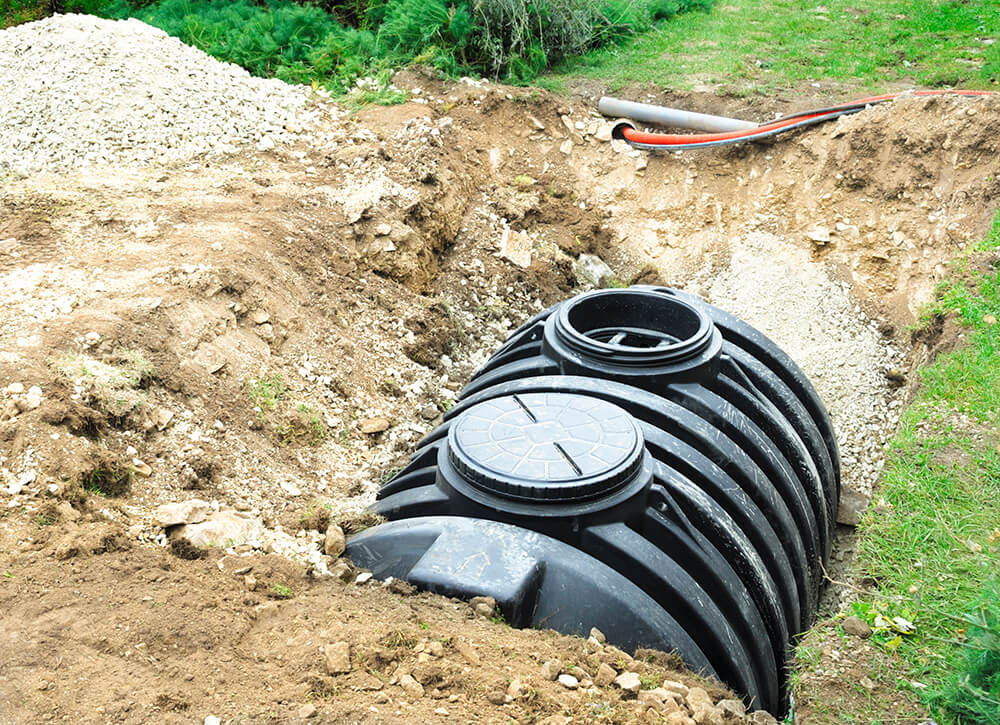
The time it takes to replace a septic tank depends on a few factors. Sometimes the fix is simple, but even if it’s not, here’s how long it takes to replace a septic tank.
A perc test for septic analyzes the absorption rate of the soil where a tank is going to be installed. Learn more about the test, cost, and passing grades.