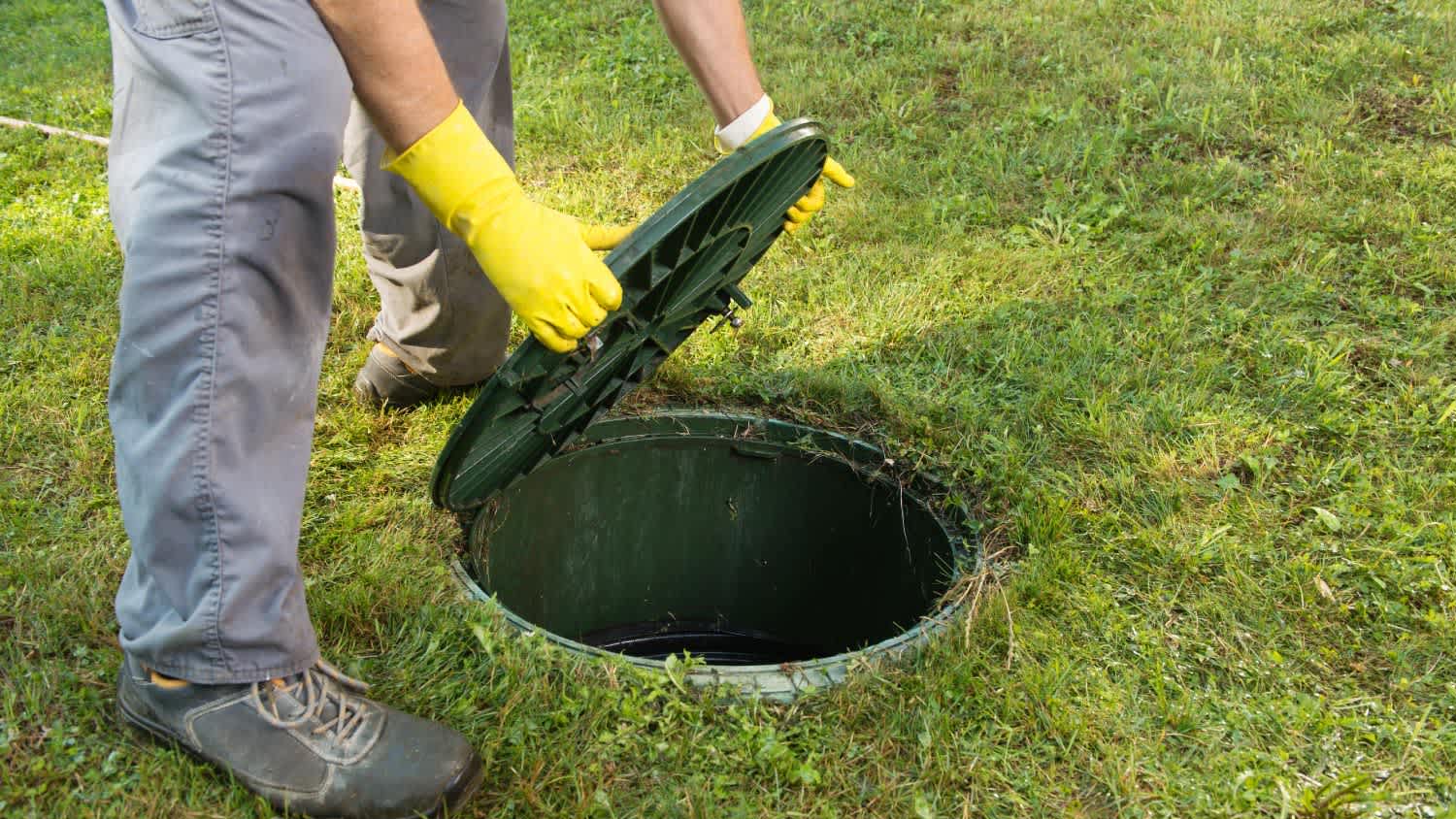
Depending on the size of your home, the inspection process could take a few hours or a few days. While inspecting your home, the asbestos specialist will take small sections of the potentially contaminated material. They will then send the sample to an accredited laboratory or the local health department for testing.
The cost of asbestos testing depends on your location, the home's size, and the testing area's complexity. Plan to spend between $230 and $800 for testing. During testing and while handling potential asbestos, the specialist may wear protective gear, including gloves, overalls, appropriate footwear, and respiratory equipment.
Through air sampling devices and surface swabs in key areas of concern.
Unfortunately, asbestos is not easily identified and can often be hidden in plain sight in your home. While it can look like fluffy fibers, tiny pieces can also appear in materials like plastic or cement, making it impossible to identify on your own properly.
Plus, since asbestos is so dangerous when disturbed, you should never root around to try and find it. This job is best for a professional who can test for the material properly.
Since the EPA partially banned asbestos in 1989, it is no longer used to manufacture new siding in the United States; production had largely ceased by the early 1980s. Many other countries, such as Canada, Iceland, and Denmark, also have bans on asbestos. However, asbestos siding is still present in many homes built before the late 1980s. The only definitive way to know if your siding contains asbestos is to have it professionally lab-tested.
According to the National Cancer Institute, asbestos-related diseases can take anywhere from 10 to 40 years for symptoms to appear. The health risks increase with prolonged and heavier exposure.
Risk factors also include:
Amount of exposure
Chemical makeup, size, and shape of the asbestos fibers
Length of time a person is exposed to asbestos
Genetic factors
Source of exposure (direct exposure or secondhand exposure from someone directly exposed)
The Baconton, GA homeowners’ guide to percolation testing services
From average costs to expert advice, get all the answers you need to get your job done.
Most building projects and septic installations require soil testing to ensure proper drainage. Learn how much a perc test costs and what affects costs.

A perc test for septic analyzes the absorption rate of the soil where a tank is going to be installed. Learn more about the test, cost, and passing grades.