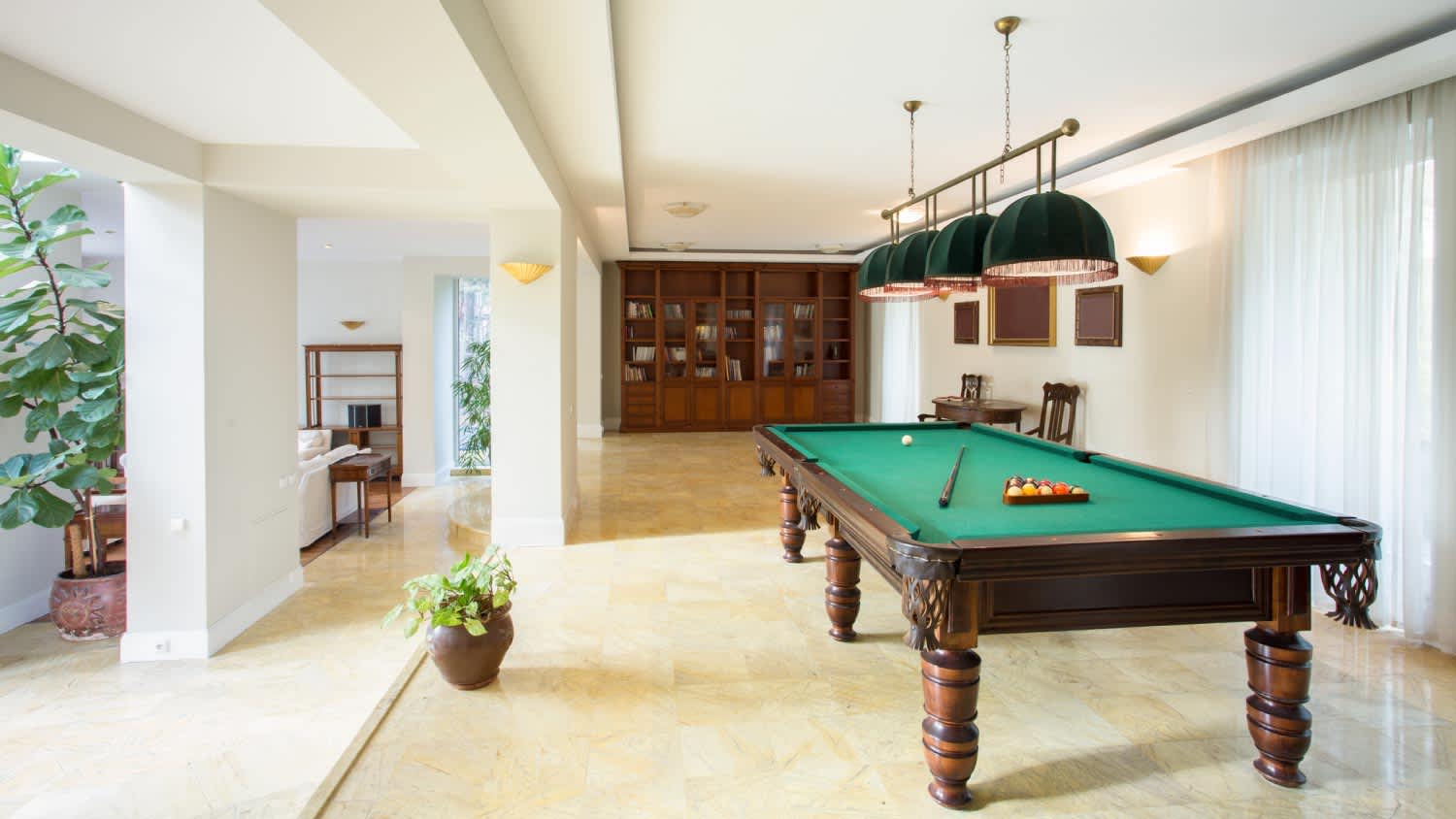







Top-rated pool table assembly pros.

Get matched with top pool table assembly pros in Alamo, GA

Enter your zip and get matched with up to 5 pros

Need a pro for your pool table assembly project in Alamo, GA?

Select your specific project to find the pro for you.

Find Pool table assembly pros in Alamo

Avatar for Gilley's Handyman Services LLC
Gilley's Handyman Services LLC
5.0(
5
)
Handyman for Multiple Small Projects

Serving Alamo, GA and surrounding areas

Approved

In business since 2025

Free estimates

Emergency services offered

"Great work from start to finish. Arrived on time, worked efficiently, and the quality of the Highly recommend!Fantastic experience! Super reliable, easy to work with, and did an amazing job. Everything turned out better than expected, and the attention to detail really showed. They completed several projects for me. Will definitely be calling again for future projects."
2 neighbors recently requested a quote

...
Showing 1-10 of 125
Pool Table Assembly questions, answered by experts

Whether or not a pool needs a dedicated circuit depends on the electrical needs of the motor, lights, and pump. Keep in mind that pool motors can use a lot of electricity. A dedicated circuit can prevent the breaker from tripping whenever you use the pool. A small motor for an equally small pool may only need a GFCI outlet. It’s best to plug it directly into the outlet rather than using an extension cord. You should also consult an electrician to ensure your pool’s electrical system is in accordance with local regulations.

The total time to install an inground pool typically ranges from 8 weeks to 4 months. This timeline can be influenced by several factors, including permitting, site preparation, and the construction process itself.

Key phases and their typical durations include:

  • Permits: Obtaining necessary permits can take anywhere from two to six weeks.

  • Excavation and Site Preparation: This phase takes about a week but can be extended by problematic soil, unexpected ground conditions, or the need to move underground utility lines.

  • Construction: The actual build, including plumbing and electrical work, often takes one to two months. The pool material is a major factor here; a concrete pool needs about 30 days to cure, while installing a fiberglass or vinyl liner is much faster.

External factors can also cause significant delays:

  • Contractor Availability: Spring and summer are busy seasons, and high demand can lead to long waitlists, potentially adding months to your start date. It is often recommended to start planning and getting estimates up to a year in advance.

  • Other Delays: Weather, material shortages, complex designs, and other unforeseen challenges can extend the project timeline.

You don’t need to dilute the baking soda before adding it to your pool. While you can if you want, adding too much water into your pool can throw off your math and chemicals. Your pool’s circulation system will do most of the dissolving work for you, so it’s OK to skip the dilution.

A few factors influence the time it takes for a pool to heat up, including the size of your pool, the temperature outside, and how much direct sunlight is hitting the water in the pool. With these factors in mind, it takes 12 to 72 hours to raise the temperature in a pool by 20 degrees Fahrenheit.

While you can run a pool heater all day, it is advised only to run it during the day, as it is more energy efficient. At night, it is better to purchase a solar pool cover to retain the heat within the pool.

The lifespan of a semi-aboveground pool depends on the lining, but they last between seven and 15 years on average. This is right in line with what you can expect from a standard aboveground pool. In comparison, an in-ground pool can last up to 75 years with a well-maintained concrete liner.

The Alamo, GA homeowners’ guide to pool table assembly services

From average costs to expert advice, get all the answers you need to get your job done.