









Top-rated deck maintenance specialists.

Get matched with top deck maintenance specialists in Westchester, FL

Enter your zip and get matched with up to 5 pros

Need a pro for your deck maintenance project in Westchester, FL?

Select your specific project to find the pro for you.

TRUSTED BY WESTCHESTER, FL HOMEOWNERS

  • Average homeowner rating star icon4.6
    Average homeowner rating
  • Verified reviews icon13
    Verified deck maintenance services reviews

Find Deck maintenance specialists in Westchester

Avatar for Jesus Vanegas
Jesus Vanegas
4.8(
44
)
Deck, Fence, Patio or Porch - Clean and SealDeck, Fence, Patio or Porch - Clean and Seal - For Business

Serving Westchester, FL and surrounding areas

Approved

In business since 2008

Free estimates

Customers say: True professional

"Jesus was a true professional! I needed a few repairs on my deck and some renovation and he and his partner not only made the necessary repairs but made my deck look like new! On top of that, he did it days before 4th July weekend allowing us to have our BBQ on our newly Reno Deck! He is a must hire for deck repairs/installations and any other repairs around the house. Looking forward to future projects with Jesus! He’s a keeper and should be recommended to all. Thanks Jesus for a great job!"
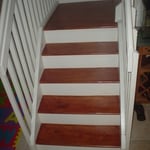
Staircase Job
Staircase Job
Staircase Job
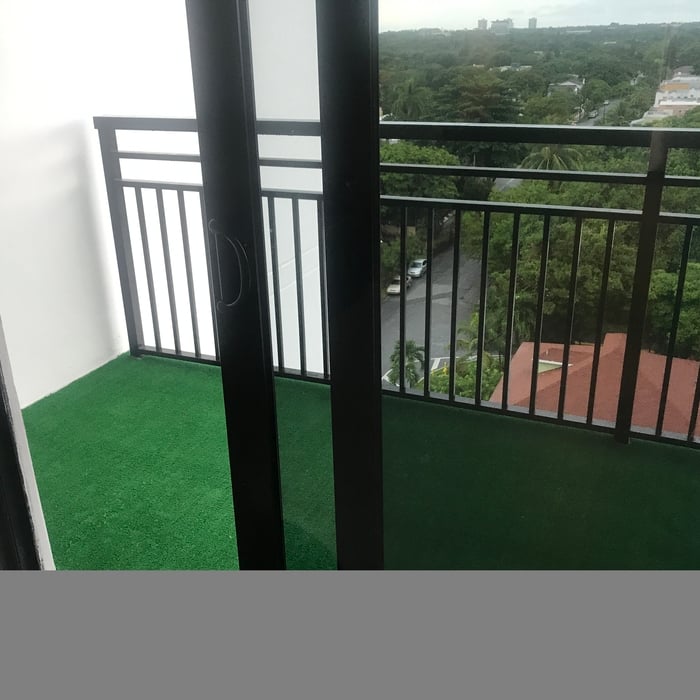
New Door
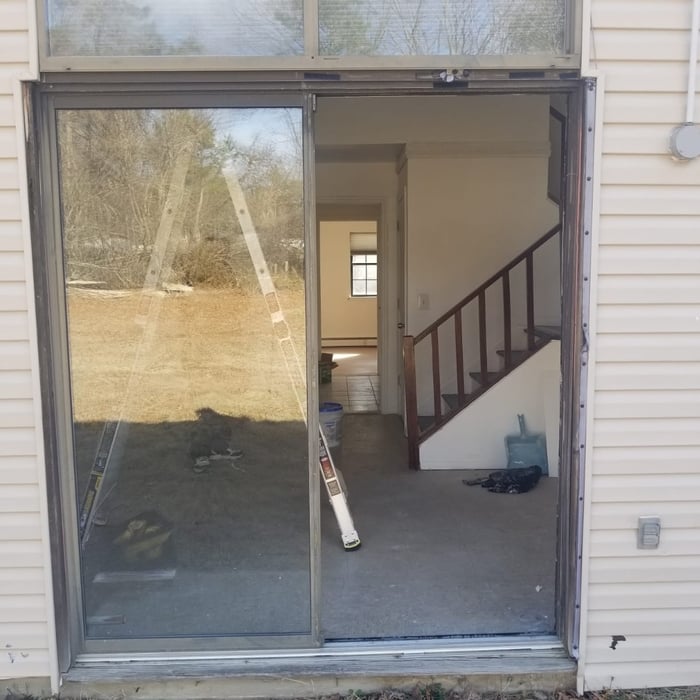
Old Door

+44

Response time1 day
13 neighbors recently requested a quote
Recommended by100%of homeowners

...
Showing 1-10 of 263
Deck Maintenance questions, answered by experts

Yes, deck pier blocks can be used as an alternative to traditional deck footings, especially for smaller or low-to-the-ground decks. Unlike poured concrete and buried post footings, deck blocks do not require digging or pouring. However, their use is dependent on local building codes. Some areas, particularly those prone to high winds, earthquakes, or hurricanes, may not permit the use of deck pier blocks. It is essential to consult your local building codes before choosing them for your deck project.

Rot loves moisture, so deck rot typically impacts the parts of a board that stay wet. This includes the underside of boards, in addition to support posts and joists. However, any part of a board can rot, given the right conditions. 

Most building codes list a minimum width of 36 inches and a maximum height of 7¾ inches. However, for the most comfort and spaciousness, you’ll want to aim for a width of at least 48 inches and a height of 7 inches. Again, it’s always a good idea to base your numbers off steps that you already use comfortably.
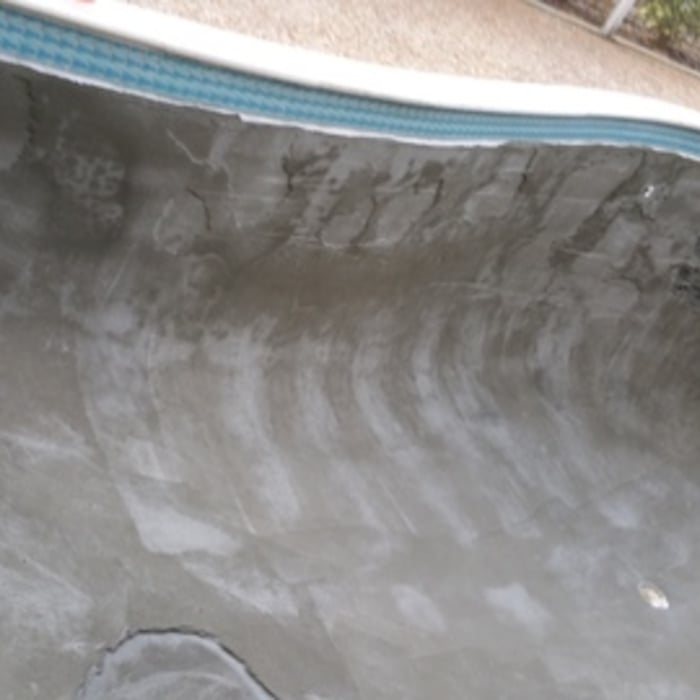
Cutting the boards directly is one of the fastest ways to remove deck boards with hidden fasteners. Mark two parallel lines that are one-third of the total measurement on both ends and cut out the centerpiece. Then, remove the end of the board that doesn’t have a fastener. Finally, pry open the fastened side and pull it up to pop out the screw or access the fastener. This also allows you to salvage portions of boards for other projects.

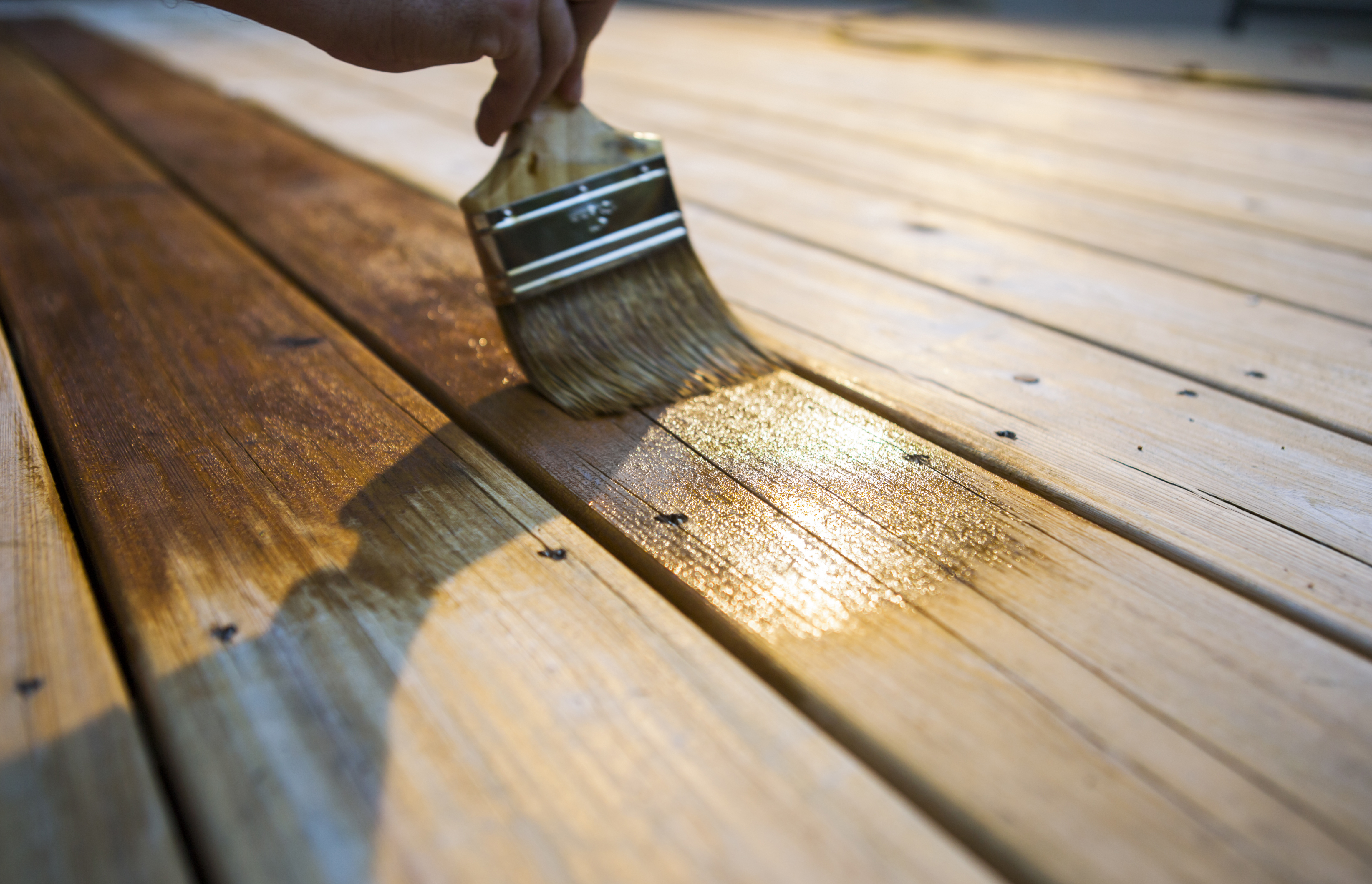
Ultimately, overapplication of stain can compromise the deck's appearance, durability, and longevity. It may result in an uneven finish, with excess stain pooling, dripping, or drying into thick patches. It can also obscure the wood's natural grain and texture, detracting from the desired aesthetic. Moreover, excessive staining may not fully penetrate the wood, leading to poor adhesion and premature wear. Additionally, thick layers of stain are prone to peeling, cracking, and blistering as they struggle to bond with the surface. 

The Westchester, FL homeowners’ guide to deck maintenance services

From average costs to expert advice, get all the answers you need to get your job done.