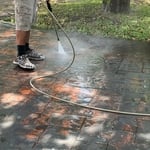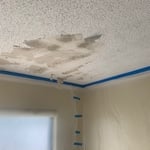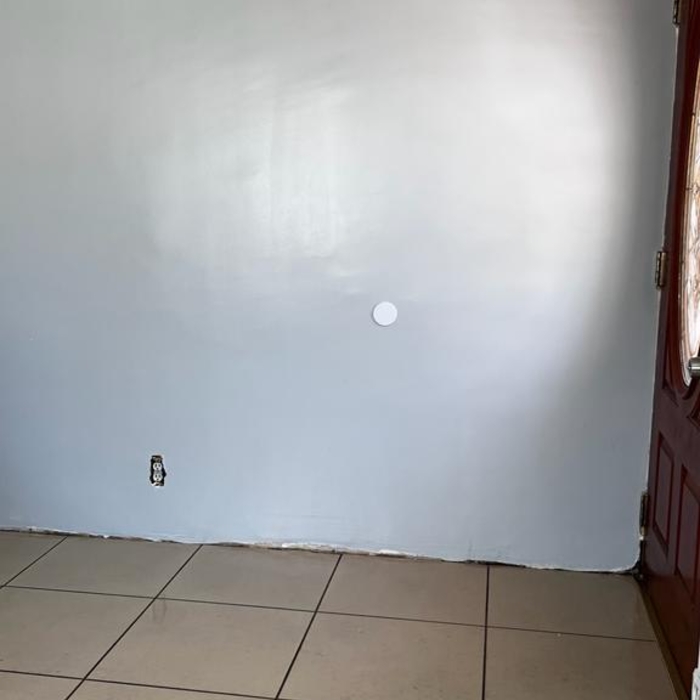










Top-rated deck maintenance specialists.

Get matched with top deck maintenance specialists in Olympia Heights, FL

Enter your zip and get matched with up to 5 pros

Need a pro for your deck maintenance project in Olympia Heights, FL?

Select your specific project to find the pro for you.

TRUSTED BY OLYMPIA HEIGHTS, FL HOMEOWNERS

  • Average homeowner rating star icon4.5
    Average homeowner rating
  • Verified reviews icon20
    Verified deck maintenance services reviews

Find Deck maintenance specialists in Olympia Heights

Avatar for Jesus Vanegas
Jesus Vanegas
4.8(
44
)
Deck, Fence, Patio or Porch - Clean and SealDeck, Fence, Patio or Porch - Clean and Seal - For Business

Serving Olympia Heights, FL and surrounding areas

Approved

In business since 2008

Free estimates

Customers say: True professional

"Jesus was a true professional! I needed a few repairs on my deck and some renovation and he and his partner not only made the necessary repairs but made my deck look like new! On top of that, he did it days before 4th July weekend allowing us to have our BBQ on our newly Reno Deck! He is a must hire for deck repairs/installations and any other repairs around the house. Looking forward to future projects with Jesus! He’s a keeper and should be recommended to all. Thanks Jesus for a great job!"
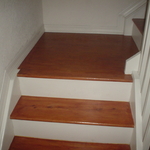
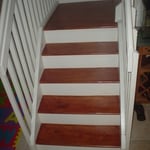
Staircase Job
Staircase Job
Staircase Job
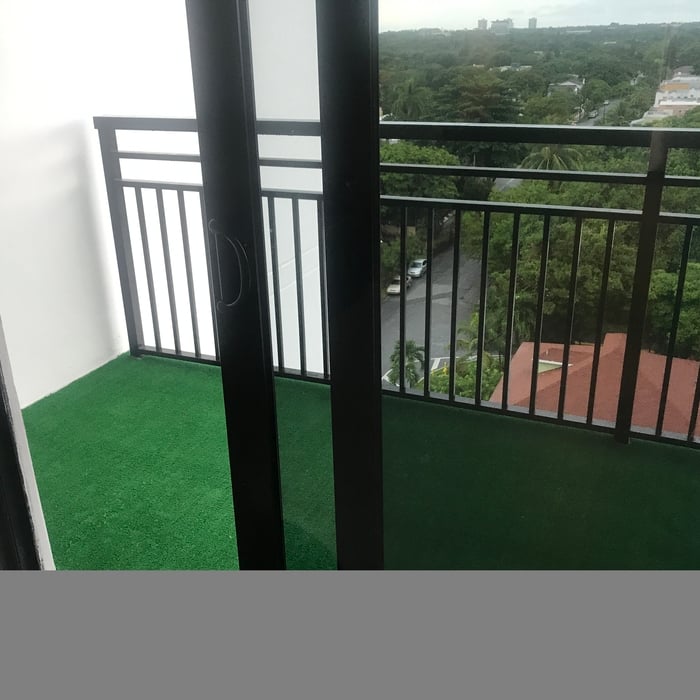
New Door
Old Door

+44

Response time1 day
12 neighbors recently requested a quote
Recommended by100%of homeowners

...
Showing 1-10 of 291
Deck Maintenance questions, answered by experts

Yes, it is generally safe to have a fire pit on a deck, but you must adhere to building codes and take several safety precautions. For both built-in and freestanding models, you must use a heat-resistant barrier, such as a fire pit pad or heat shield, between the pit and the deck. Additionally, consider the weight of the fire pit and ensure your deck can structurally support it, reinforcing it if necessary. The fire pit must also be positioned a safe distance from your house, particularly from materials like vinyl siding, to prevent heat damage.

Ideally, a gate should be able to swing both in and out. However, if it can only open in one direction, it is generally best for it to swing inward. This is often the safest option, especially for deck gates near steps, as you'll want the gate to swing away from the stairs. An inward swing also prevents the gate from opening into a public space, like a sidewalk, and can be more convenient when carrying heavy items like a wheelbarrow into a garden.

There are exceptions, however. The layout of your property may require a different approach. For example, if your property is on a slope, the gate may not be able to swing inward. You should also ensure the gate can open fully without colliding with any objects or blocking access to other areas. For a backyard garden gate where public access isn't a concern, the direction it swings is largely a matter of personal preference. Finally, always check your local building codes, as they may have specific requirements for which way a gate must swing.

Most building codes require that spindles or balusters on deck and stair railings be spaced no more than four inches apart. This safety standard, often called the '4-inch sphere rule,' is designed to prevent small children or pets from slipping through the railing. A good way to visualize this is that a 4-inch sphere should not be able to pass between two spindles. For the same safety reason, the space between the bottom rail and the deck floor should also be no more than four inches. As a general guideline, professionals often install three balusters per foot of railing. However, since specific requirements can vary by location, it is crucial to check your local building codes to ensure compliance before starting your project.

Covering your deck with a breathable tarp can protect it from snow, ice, and cold winter temperatures. This is a good winterizing solution if you don’t plan to use your deck at all during the colder months. However, it might be best to skip the tarp if you’ll still be walking on your deck or using it in a limited capacity.

The life expectancy of deck boards varies widely based on the material, climate, and maintenance. Untreated wood boards typically last 10 to 30 years with proper care, while pressure-treated boards can last up to 50 years. Hardwoods generally outlast softwoods. Composite boards also tend to last longer than natural wood. Environmental factors like arid or humid climates can shorten a deck's lifespan. To extend the life of wood decking, it's important to consistently clean and seal it to protect against moisture, UV light, and insects.

The Olympia Heights, FL homeowners’ guide to deck maintenance services

From average costs to expert advice, get all the answers you need to get your job done.