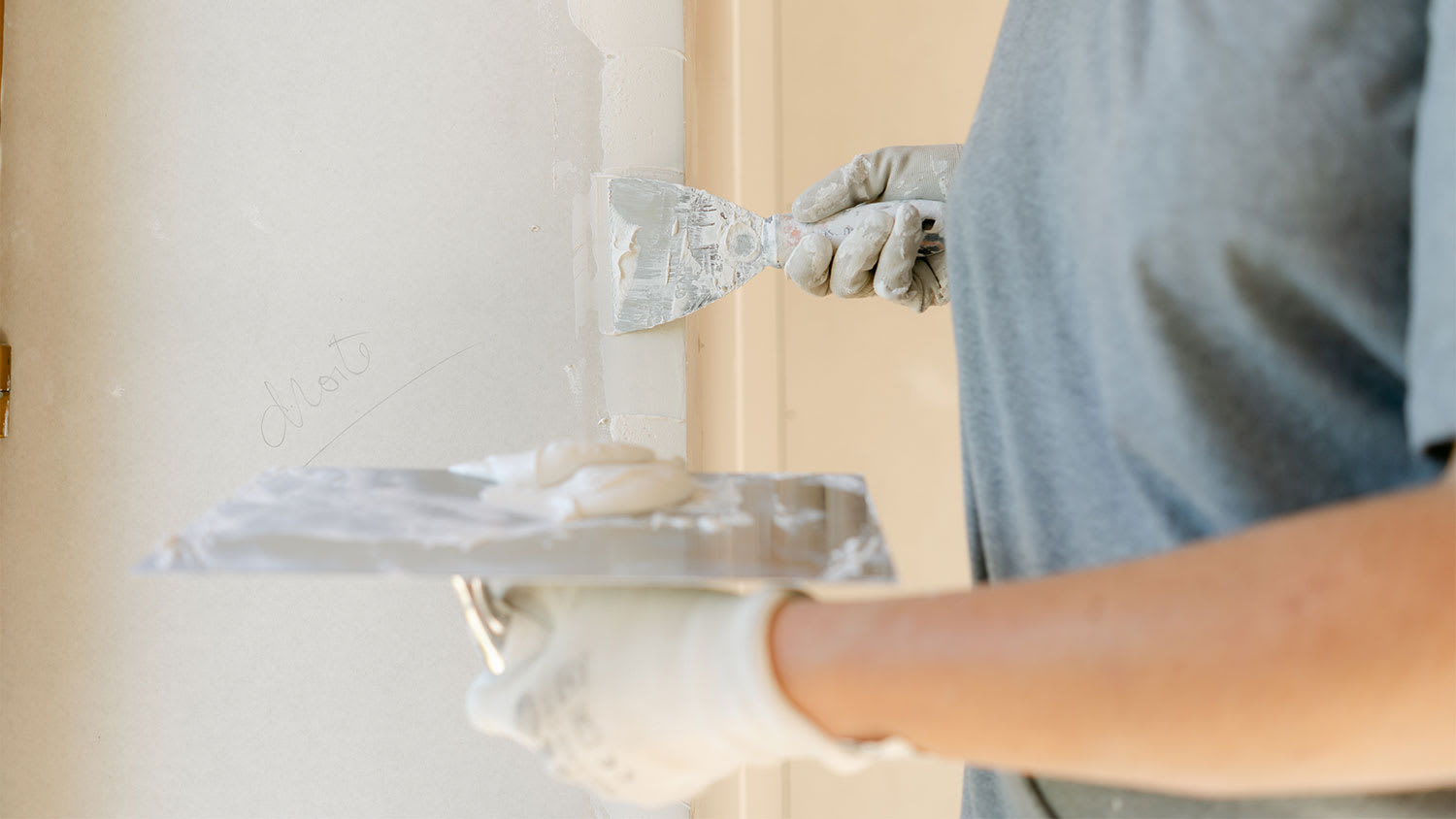







Top-rated plaster repair specialists.

Best plaster repair specialists near Venice, FL

Enter your zip and get matched with up to 5 pros

Need a pro for your plaster repair project in Venice, FL?

Select your specific project to find the pro for you.

TRUSTED BY VENICE, FL HOMEOWNERS

  • Average homeowner rating star icon4.4
    Average homeowner rating
  • Verified reviews icon263
    Verified plaster repairs reviews

Top-Rated Plaster repair specialists in Venice - Updated Nov 2026

Avatar for Fiefia Drywall
Fiefia Drywall
5.0(
45
)
Plaster - InstallPlaster - Install - For BusinessPlaster - Repair+1 more

Serving Venice, FL and surrounding areas

Approved

Super Service Award Winner

In business since 2014

Free estimates

Warranties offered

"Soane and his working family members showed up on time and are very personable. They plastered my large vent hood cover and drywallled some side pantry walls as well as the small gaps in three bathroom where new lights will be installed soon. I would recommend them for your drywall needs but book in advance as Fiefia Drywall are a popular company to use."
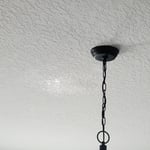
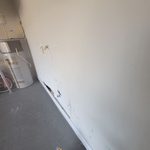
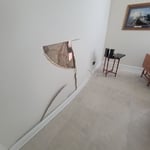
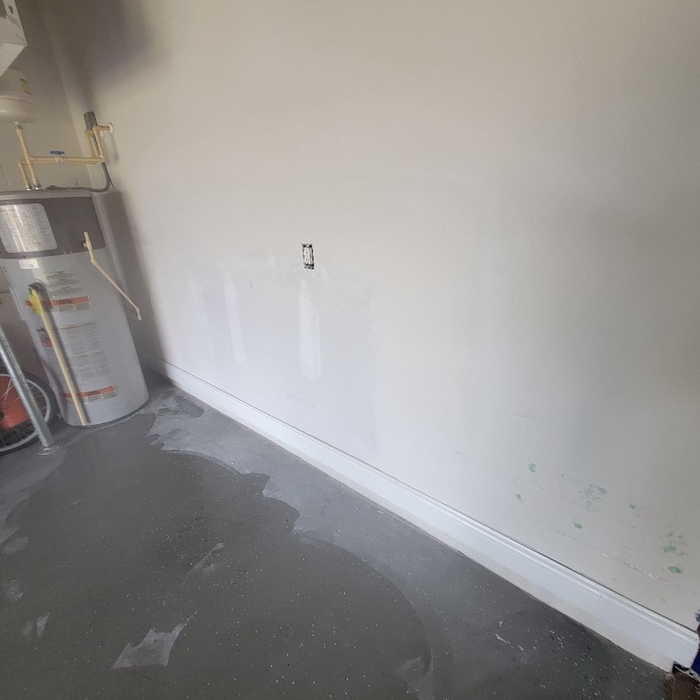
Additional Photos
Additional Photos
Additional Photos
Additional Photos
Additional Photos

+10

Response time1 day
Response rate100%
2 neighbors recently requested a quote

Sarasota Home Improvements
4.9(
18
)
Plaster - Repair

Serving Venice, FL and surrounding areas

Approved

In business since 2018

Free estimates

Offers commercial services

"Professional, timely, friendly. I have only good things to say about my experience with Sarasota Home Improvements. It was a pleasure having them in my home. The quality of their work was first class and everything was left clean and tidy. I would certainly recommend them to anyone considering home improvements."
Response time2 days
1 neighbors recently requested a quote

Recommended by100%of homeowners
...
Showing 1-10 of 115
Plaster Repair FAQs, answered by experts

Plastering and skimming are two different techniques for finishing walls. Plastering involves applying a thick layer of a plaster mixture—typically containing gypsum, lime, cement, sand, and water—to create a new surface. This process often requires multiple coats and is used for repairing significant damage or creating decorative textures. Skimming, on the other hand, is a technique that involves applying a thin layer of drywall compound or joint compound over an existing surface to smooth it out, covering minor imperfections, small cracks, or uneven textures for a polished look. Plastering is generally more costly and labor-intensive than skimming. Although some people use the terms interchangeably, they refer to different processes and materials.

All plaster walls will crack over time due to normal house settling and expansion and contraction from temperature and moisture changes. Small, thin hairline cracks are generally not serious and are mostly a cosmetic issue. However, larger or more significant cracks can indicate structural problems.

Here's how to tell the difference:

  • Cosmetic Cracks: Cracks that are 0.5 cm (0.2 inches) or thinner are typically cosmetic.

  • Structural Cracks: Cracks wider than 0.5 cm, excessive or deep cracks, multiple cracks in the same area, or cracks that span around corners can signify a structural or foundation issue. Cracks along the joints where walls meet the ceiling also warrant attention.

For cracks wider than 0.5 cm, structural repair is needed. If a crack is 2.5 cm (1 inch) or wider, or if you notice any signs of a structural problem, it is best to contact a plaster repair professional to assess the damage.

The cost to repair a ceiling after a water leak can vary, with averages ranging from $419 to $1,359, or $45 to $55 per square foot. Smaller patches may cost around $150. The final price depends on the size of the affected area and the extent of the damage. Remember that you will also need to repair the source of the leak, such as roof damage or a plumbing issue, which can cost an additional $200 to $1,550. Depending on the situation, you might also face costs for repainting or repairing floors. For an accurate estimate, it is best to get a quote from a professional.

Plaster ceilings can sag for several reasons. In some cases, the plaster and other building materials shift and come apart over time, which is why you’ll commonly find drooping plaster ceilings in older homes. Improper installation, foot traffic, and water damage—often from a leaky roof or a broken pipe—can also cause plaster ceilings to sag.

You can repair plaster ceilings yourself after the cause of the ceiling damage has been addressed. However, the repair can easily take 5 hours and can be slightly challenging for those without previous experience. If you do decide to flex your DIY muscle, have a helper to help hold the ladder and pass you the tools for safety purposes.

The Venice, FL homeowners’ guide to plaster repairs

From average costs to expert advice, get all the answers you need to get your job done.