


Top-rated excavation pros.

Get matched with top excavation pros in Marathon, FL

Enter your zip and get matched with up to 5 pros

Need a pro for your excavation project in Marathon, FL?

Select your specific project to find the pro for you.

Find Excavation pros in Marathon

Avatar for Mr.Green Landscaping, Inc.
Mr.Green Landscaping, Inc.
5.0(
5
)
Landscape - Minor Grading or Resloping

Serving Marathon, FL and surrounding areas

Approved

In business since 2010

Free estimates

Credit card accepted

"Super company to work with always goes extra mile...top notch pros that care about their customers and jobs they always get it correct plus great communication Highly recommend"
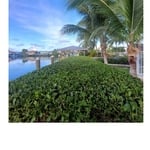
Hedge work
Palmetto St. Augustine
Landscape Barrier
Response time5 hrs
Response rate95%
3 neighbors recently requested a quote
Avatar for Ornelas Lawn & Yard Maintenance, LLC
Ornelas Lawn & Yard Maintenance, LLC
5.0(
10
)
Landscape - Minor Grading or Resloping

Serving Marathon, FL and surrounding areas

In business since 2024

Free estimates

Emergency services offered

"This is the vendor you must contact in Marathon and surrounding areas in Florida Keys if you need same day services with some super reasonable prices. The crew is expert in what they do and deliver top notch servcices."
Response time2 hrs
Recommended by70%of homeowners
Showing 1-10 of 28
Excavating questions, answered by experts

Yes, trenchers can go through gravel. Gravel is made up of smaller, softer rocks that certain trenchers are able to cut through. Just be sure to use a rock wheel trencher or chain trencher, both of which are made to cut through rocky landscapes and gravel pathways without dulling the teeth or chain.

You can bury underground electrical wire six inches deep—but only if you use a rigid metal electrical conduit. For rigid, non-metallic conduits, bury the wire at least 12 inches deep. If using an underground feeder cable rated for direct burial, you'll need to place it at least 18 inches deep, as it has no conduit for extra protection.

Tree experts don’t advise against digging through tree roots, but instead encourage caution and consultation with a local arborist to make sure you don’t damage the tree’s structure or interrupt its water or nutrient intake. An arborist can recommend specific practices when digging and help prune the roots or dig a trench for utilities with a tool that can remove soil without touching the tree’s roots.

The best type of soil to build on is a mixture of sand and clay, known as loam soil. Loam soil has the best combination of these soil types to build a foundation on. The clay particles help with water retention, so it won’t erode like sandy soil might, and the sandy particles help with drainage, so you won’t see unsafe soil expansion or have an increased risk of leaks from water sitting against your foundation.

Trenches are typically 12 to 24 inches deep and 8 inches wide. However, the required depth depends on the specific project and local ordinances. For example, a French drain may need to be 18 inches deep, while a water pipe might require a depth of 24 inches and a drainage pipe 36 inches. Your city or county may have specific regulations, so it's wise to consult with an excavation professional to determine the correct depth for your project.

The Marathon, FL homeowners’ guide to excavation services

From average costs to expert advice, get all the answers you need to get your job done.