
Top-rated excavation pros.

Best excavation pros near Olympia Heights, FL

Enter your zip and get matched with up to 5 pros

Need a pro for your excavation project in Olympia Heights, FL?

Select your specific project to find the pro for you.

TRUSTED BY OLYMPIA HEIGHTS, FL HOMEOWNERS

  • Average homeowner rating star icon5
    Average homeowner rating
  • Verified reviews icon15
    Verified excavation services reviews

Top-Rated Excavation pros in Olympia Heights - Updated Nov 2026

Avatar for Casper Concrete LLC
Casper Concrete LLC
4.9(
16
)
Excavation - Major Grading or ReslopingExcavation - Major Grading or Resloping - For BusinessLandscape - Minor Grading or Resloping

Serving Olympia Heights, FL and surrounding areas

Approved

In business since 2021

Free estimates

Credit card accepted

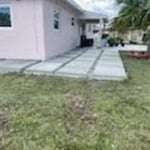
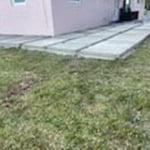
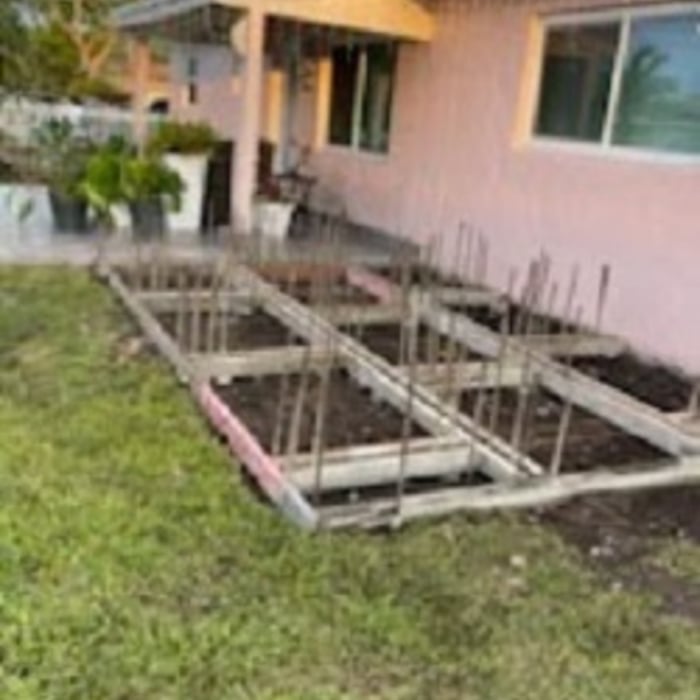
"This was a hard removal. It was a cement surface over my concrete pool deck. It had to be removed with an industrial size grinder that looked like a big floor polisher. The work was dirty and dusty but at the end of the day and throughout the job, it was being continuously cleaned and dry vacuumed. Every evening (it took 5 days) the completed areas had been cleaned and left neatly. They moved my furniture, my plants, everything and then returned it. Hire them. They are already hired for another project. Highly recommend without hesitation."
Concrete
Concrete
Concrete
Concrete
Concrete

+32

Response time2 hrs
Response rate100%
2 neighbors recently requested a quote
Avatar for Able Business Services Corp.
Able Business Services Corp.
5.0(
5
)
Building Site - Preparation and Clearing - For Business

Serving Olympia Heights, FL and surrounding areas

Approved

In business since 2000

Free estimates

Credit card accepted

Able Business Services is committed to excellence in every aspect of our business. We uphold a standard of integrity bound by fairness, honesty, and personal responsibility. Our distinction is the quality of service we bring to our customers. Accurate knowledge of our trade combined with ability is what makes us true professionals. Above all, we are watchful of our customers' interests, and make their concerns the basis of our business

Library floor wax
Library floor wax
Library floor wax
Library floor wax
24 neighbors recently requested a quote
...
Showing 1-10 of 250
Excavating FAQs, answered by experts

Underground downspouts refer to the sections of downspout extensions that lead away from your home and gutter system. While they cost more than traditional extensions, they can provide several benefits, such as less frequent damage and no need to move them for lawn care tasks. Whether they're worth it or not depends on your budget at installation time and how much convenience they'll add to your situation.

The rules and regulations regarding groundwater use vary between states. To find out if you can dig a well on your property, you’ll have to consult these regulations, address any compliance requirements, and get the appropriate permits. It’s also important to check that your intended location has the right geology and water table to support a well.

To locate an underground downspout, you should start by identifying where the above ground gutter drains. Look for an entry point, such as a pipe or elbow leading into the ground. Follow the surface path for signs like depressions, landscaping disruptions, or wet areas after rain. You can use a metal detector or plumber’s snake to trace the pipe underground. For deeper pipes, a professional locator tool or camera inspection may be necessary. Visual markers or utility maps can also guide the search.

Trenching and boring are two distinct methods for installing underground utilities. Trenching involves digging a channel using equipment like an excavator, trencher, backhoe, or shovel. While it is a simpler process, it causes significant disruption to the surface, landscaping, and surrounding ecosystems.

Boring, also known as directional boring, is a less invasive alternative that uses a drill to create a tunnel for utility lines without disturbing the surface. This method is more precise and is ideal for installations that need to go underneath buildings, roads, or bodies of water. Although boring is less disruptive, it is generally more expensive than trenching.

Sewer lines can be buried anywhere from 18 inches to 8 feet deep, with a common average depth between 18 and 30 inches. The exact depth depends on local factors like climate and soil type. In colder regions, pipes must be buried deeper (below the frost line) to prevent freezing, sometimes as deep as 8 feet. The digging depth can also impact the cost of sewer line replacement. To find the specific depth for your property, you can check the building plans for your system, which should be on file with your city or local sanitation department since permits are required for installation.

The Olympia Heights, FL homeowners’ guide to excavation services

From average costs to expert advice, get all the answers you need to get your job done.