Top-rated lead testing and removal specialists.

Best lead testing and removal specialists near Lake Alfred, FL

Enter your zip and get matched with up to 5 pros

Need a pro for your lead testing and removal project in Lake Alfred, FL?

Select your specific project to find the pro for you.

Top-Rated Lead testing and removal specialists in Lake Alfred - Updated Nov 2026

Avatar for RRR Contracting FL
RRR Contracting FL
5.0(
7
)
Toxic Lead - Testing

Serving Lake Alfred, FL and surrounding areas

In business since 2020

Free estimates

Emergency services offered

"I have RRR on speed dial! They were so friendly and professional! Not only were they there almost immediately after the fire had been put out, but they made the process so easy for us! I thought our home was gone for good but we are now settled back into our lives and it looks better than ever!"
A project manager is always on site to ensure customer satisfaction.
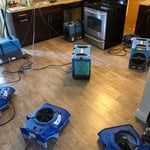
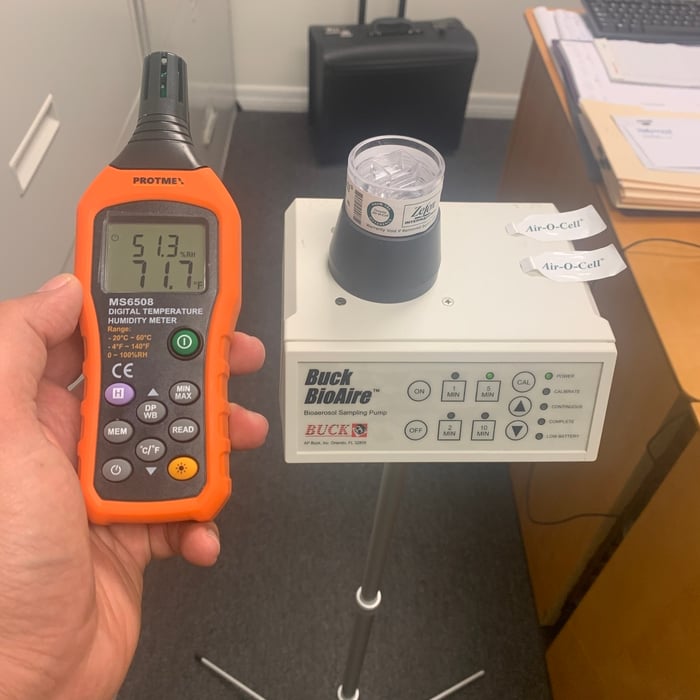
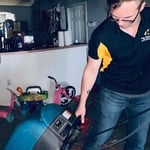
Professional Dehumidifiers along with other professional equipment control moisture and humidity levels inside the property.
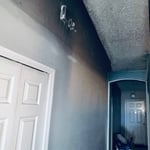
BEFORE Disinfecting and sanitizing.
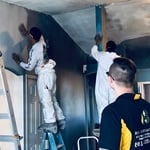
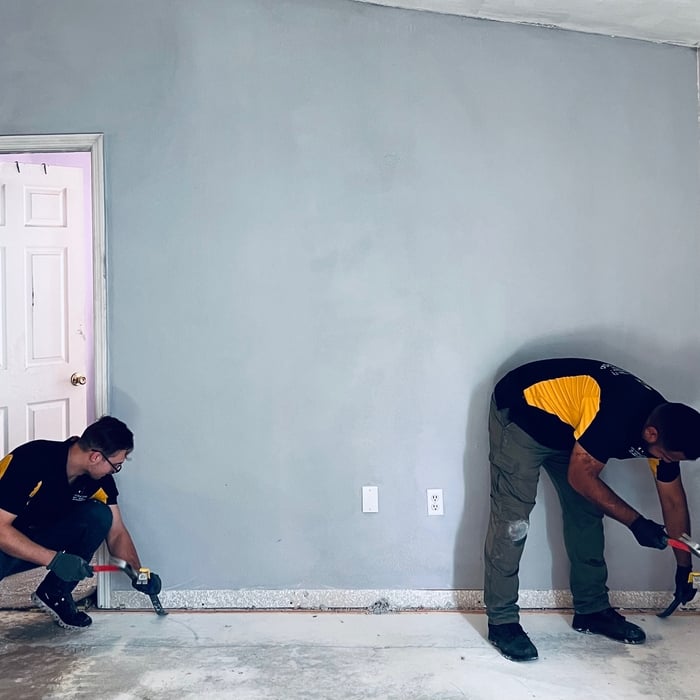
Our job is to restore and salvage the most we can but also determining what is not salvageable and disposing of non salvageable materials
Our team always inspects and takes care of all minor details in the end before completing the job ensuring the job is 100% completed.

+24

Recommended by100%of homeowners
Home and Mold Inspections Plus
New to Angi
Toxic Lead - AbatementToxic Lead - Testing

Serving Lake Alfred, FL and surrounding areas

In business since 2004

Free estimates

Credit card accepted

Having a professional home inspection performed before you buy is not simply a smart idea, in many cases it is the law. A home may appear to be in great condition but it could have many hidden issues. Have a professional take care of that and get a detailed report of any issues with the home as well as, a comprehensive profile of all aspects of the properly.

MONTOR LLC
New to Angi
Toxic Lead - Testing

Serving Lake Alfred, FL and surrounding areas

In business since 2008

Free estimates

Credit card accepted

We take great pride in our experience, expertise, quality, and customer service that we provide to meet the consumer's needs. It is our mission to provide excellent workmanship and complete customer satisfaction from start to completion of a project. In order to understand the needs and expectations of our customers, we take great care to work and communicate with every customer in a professional manner. Our reputation is based on service, safety, and quality, regardless of how large or small the job.

Showing 1-10 of 12
Lead Testing and Removal FAQs, answered by experts

A lead paint inspection is a thorough examination and assessment of a building or structure to determine the presence of lead-based paint. Lead-based paint was commonly used in buildings before 1978 when its health hazards were fully understood. Lead is toxic and can pose health risks, particularly to young children and pregnant women. Getting a lead paint inspection means finding a lead paint inspector to examine the surfaces of the building—such as walls, ceilings, doors, windows, and other painted areas—and identify the presence of lead-based paint.

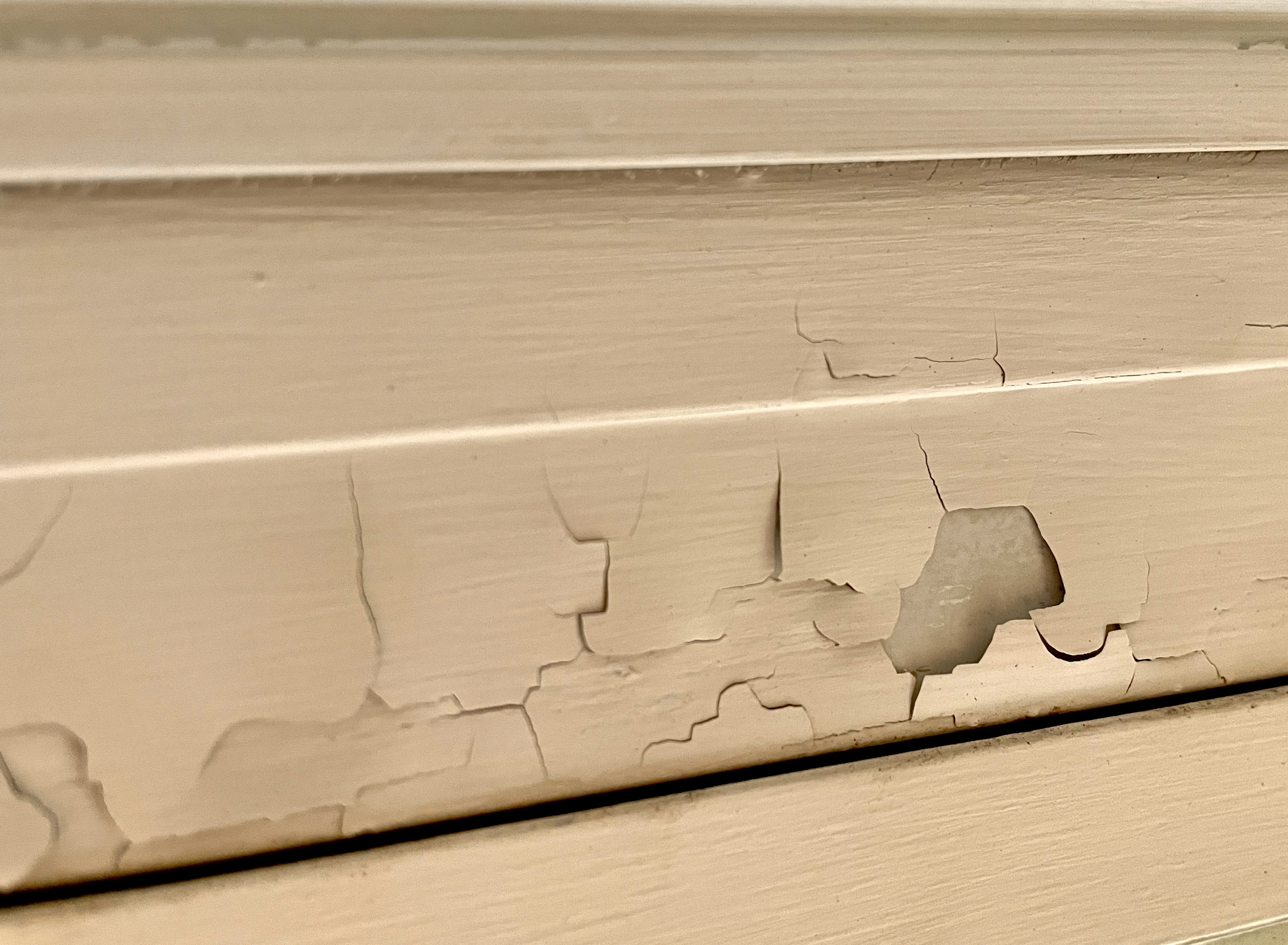
If the lead paint is in a place that is not easily disturbed and is not flaking or deteriorating, you do not necessarily need to remove it. Lead is toxic when dust particles or flakes from peeling lead paint are ingested. If people are not in the area with the lead paint, it may be safe to leave it in place. You still may want to consider encapsulation with a paint formulated for covering lead-based paint, just for an added layer of protection.

When a surface that contains lead dust is disturbed, the dust can float about in the air for roughly an hour before settling again. Since you cannot see the dust, it is important always to wear protective gear when working with any materials that may contain lead paint and to keep children, pets, and others away from the area for as long as possible

Hazardous waste is waste that poses a threat to human or environmental health. This generally refers to waste that is flammable, corrosive, toxic, or reactive. To confirm if the waste you need to remove is considered hazardous waste, contact your local hazardous waste facility.

According to the Environmental Protection Agency (EPA), hazardous waste is generally classified into four main categories:

1. Characteristic Wastes: These exhibit at least one of four hazardous traits: ignitability (flammable, like gasoline), corrosivity (can rust or decompose materials, like car batteries), reactivity (unstable and can explode, like aerosol cans), or toxicity (harmful when ingested, like lead-based paint).

2. Listed Wastes: These are specific wastes from manufacturing and industrial processes that the EPA has officially designated as hazardous. They include byproducts from processes that use solvents, pesticides, and other chemicals.

3. Universal Wastes: These are commonly generated hazardous items that are subject to streamlined regulations. Examples include batteries, pesticides, mercury-containing equipment (e.g., bulbs), and some lamps.

4. Mixed Wastes: This category includes waste that contains both hazardous and radioactive components, making it subject to regulation by both the EPA and the Nuclear Regulatory Commission.
The Lake Alfred, FL homeowners’ guide to lead testing and removal services

From average costs to expert advice, get all the answers you need to get your job done.