







Top-rated lead testing and removal specialists.

Get matched with top lead testing and removal specialists in Oakland, FL

Enter your zip and get matched with up to 5 pros

Need a pro for your lead testing and removal project in Oakland, FL?

Select your specific project to find the pro for you.

Find Lead testing and removal specialists in Oakland

Avatar for CVP Mitigation
CVP Mitigation
5.0(
16
)

Serving Oakland, FL and surrounding areas

Approved

In business since 2011

Free estimates

Emergency services offered

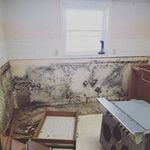
"The pro came out to check to see how much mold incursion was occurring in the drywall behind the washer. It was determined to be limited to the surface of the drywall and no further. The pro was through and honest. I would hire them again if needed."
Additional Photos
Additional Photos
Additional Photos
Additional Photos
Additional Photos

+42

Response time1 day
3 neighbors recently requested a quote

Recommended by93%of homeowners
Avatar for J&S Air Quality Experts
J&S Air Quality Experts
5.0(
7
)

Serving Oakland, FL and surrounding areas

Approved

In business since 2021

Free estimates

Credit card accepted

"They just did the testing. I haven't had the work done yet. Shawn was very knowledgeable and found what the real causes were which saved me a lot."
Response time6 hrs
11 neighbors recently requested a quote

Recommended by100%of homeowners
Avatar for Air Quality Assessors, LLC
Air Quality Assessors, LLC
5.0(
5
)

Serving Oakland, FL and surrounding areas

In business since 2008

Credit card accepted

"He seemed to know what he was talking about. The service was really quick. I was told it would be about 2-3 days but we got it the next day. The results were very timely. I'd highly recommend them."
Response time2 days
Recommended by100%of homeowners
Showing 1-10 of 18
Lead Testing and Removal questions, answered by experts

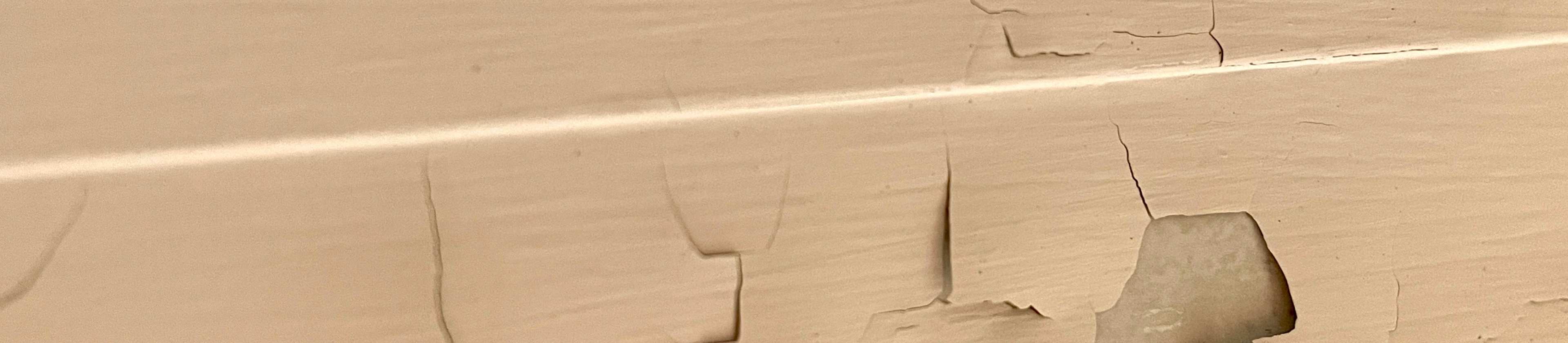
You can paint over lead paint, or “encapsulate” it with a special paint that includes an ingredient called an encapsulant. The EPA approves encapsulation as a lead paint removal method as long as the paint remains undisturbed. Standard types of paint without an “encapsulant” from the big box stores or hardware stores do not meet EPA standards for remediation of lead-based paint.

Lead paint test kits are not always accurate. Several factors can play into why a test kit provides an inaccurate result such as user error, sample viability, the age and condition of the paint, or difficulty interpreting the final result. If you are looking for 100% accuracy, hiring a professional lead paint test is the only way to get that piece of mind.

A lead paint inspection is a thorough examination and assessment of a building or structure to determine the presence of lead-based paint. Lead-based paint was commonly used in buildings before 1978 when its health hazards were fully understood. Lead is toxic and can pose health risks, particularly to young children and pregnant women. Getting a lead paint inspection means finding a lead paint inspector to examine the surfaces of the building—such as walls, ceilings, doors, windows, and other painted areas—and identify the presence of lead-based paint.

How you test for lead in your water depends on the source of your home's water supply. If you have municipal water, your local water system may offer to test the water for free or may connect you to a lab that will perform the testing.

If you have a private well that provides drinking water, you are responsible for testing it for lead. Look for a lab that is accredited by your state's Department of Environmental Protection to perform the test.

According to the Environmental Protection Agency (EPA), hazardous waste is generally classified into four main categories:

1. Characteristic Wastes: These exhibit at least one of four hazardous traits: ignitability (flammable, like gasoline), corrosivity (can rust or decompose materials, like car batteries), reactivity (unstable and can explode, like aerosol cans), or toxicity (harmful when ingested, like lead-based paint).

2. Listed Wastes: These are specific wastes from manufacturing and industrial processes that the EPA has officially designated as hazardous. They include byproducts from processes that use solvents, pesticides, and other chemicals.

3. Universal Wastes: These are commonly generated hazardous items that are subject to streamlined regulations. Examples include batteries, pesticides, mercury-containing equipment (e.g., bulbs), and some lamps.

4. Mixed Wastes: This category includes waste that contains both hazardous and radioactive components, making it subject to regulation by both the EPA and the Nuclear Regulatory Commission.

The Oakland, FL homeowners’ guide to lead testing and removal services

From average costs to expert advice, get all the answers you need to get your job done.