




Top-rated excavation pros.

Best excavation pros near Branford, FL

Enter your zip and get matched with up to 5 pros

Need a pro for your excavation project in Branford, FL?

Select your specific project to find the pro for you.

TRUSTED BY BRANFORD, FL HOMEOWNERS

  • Average homeowner rating star icon4.6
    Average homeowner rating
  • Verified reviews icon17
    Verified excavation services reviews

Top-Rated Excavation pros in Branford - Updated Nov 2026

Avatar for The Land Gator, LLC.
The Land Gator, LLC.
5.0(
7
)
Building Site - Preparation and ClearingExcavation - Major Grading or ReslopingLandscape - Minor Grading or Resloping+2 more

Serving Branford, FL and surrounding areas

Approved

In business since 2016

Credit card accepted

Customers say: True professional

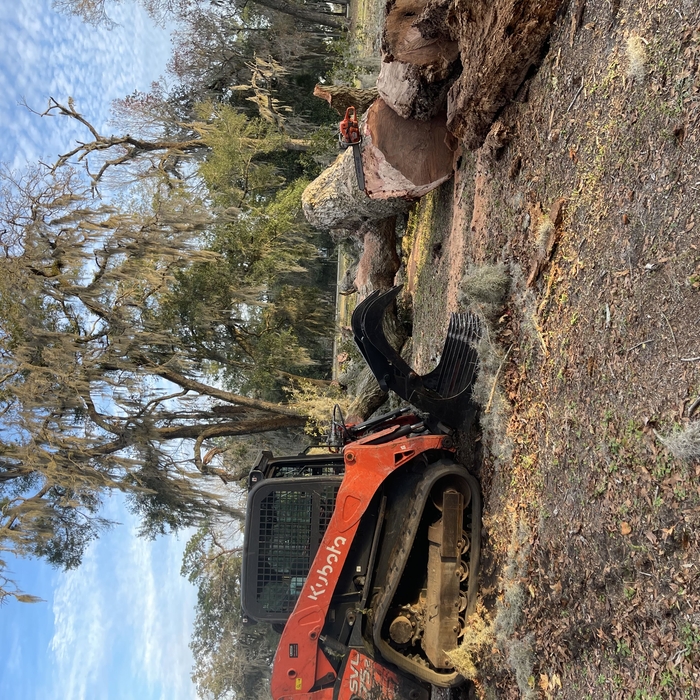
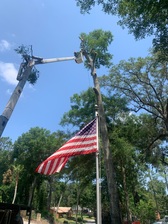
"I needed my fence removed, my yard graded, some rock piles cleared and a large dead tree taken down. I called Land Gator. Nathan told me to send a couple pics of the yard. He came over that afternoon, and gave me a very reasonable estimate. He showed up on Friday to do the work when promised. I was highly impressed with the level of work he did quickly and efficiently. I have other projects for him in the future. I highly recommend Land Gator for anyone looking for work done!"
Driveway
Finish leveling
Shed/ barn pads
Excavating Project
Tree cleanup

+36

Response time2 days
Response rate100%
6 neighbors recently requested a quote
AB & FC Maintenance, LLC
New to Angi
Building Site - Preparation and ClearingBuilding Site - Preparation and Clearing - For BusinessExcavation - Major Grading or Resloping+1 more

Serving Branford, FL and surrounding areas

Approved

Free estimates

Emergency services offered

Warranties offered

Hello! My name is Dakota Weiss and I am one of the owners of a very young company called AB & FC Maintenance, LLC Based out of Spring Hill, FL. I come from a long background of on-site construction, and heavy civil construction experience. Our Company specializes in Residential, light and heavy commercial projects of ANY size. \n\nWe strive to be different from others, primarily through transparency and communication. Our prices are competitive and will price match most projects of identical scope. \n\nLets make a difference together!\n\n- Dakota Weiss
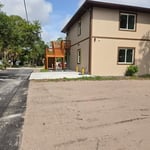
Residential Alleyway

+17

26 neighbors recently requested a quote
...
Showing 1-10 of 97
Excavating FAQs, answered by experts

Most residential basements are 8 to 10 feet deep. You can dig deeper depending on building codes, but it does become more difficult. You’ll likely need to install stronger foundation walls and additional supports to handle the increased load. Depending on the water table, you may also need a water management system. Clay soil can support a deeper foundation than sandy soil. A structural engineer will be able to tell you the maximum, feasible depth.

The digging depth will depend on the size of the trencher you use. Even smaller units can dig up to 4 feet deep, which is plenty for a DIY job. However, much larger trenchers can reach a depth of 18 feet and are better used by a team of pro contractors, not a single DIYer. As with all home improvement projects, use the right tool for the job and proceed with caution.
Sewer lines can be buried anywhere from 18 inches to 8 feet deep, with a common average depth between 18 and 30 inches. The exact depth depends on local factors like climate and soil type. In colder regions, pipes must be buried deeper (below the frost line) to prevent freezing, sometimes as deep as 8 feet. The digging depth can also impact the cost of sewer line replacement. To find the specific depth for your property, you can check the building plans for your system, which should be on file with your city or local sanitation department since permits are required for installation.


A trench that is less than 5 feet deep often doesn't require a protective system. Most residential trenches will not go this deep (the typical residential drainage trench is just 18 inches deep). In the event that an excavator needs to dig more than 5 feet beneath the surface, a protective system is required unless the excavation is in entirely stable rock.

The rules and regulations regarding groundwater use vary between states. To find out if you can dig a well on your property, you’ll have to consult these regulations, address any compliance requirements, and get the appropriate permits. It’s also important to check that your intended location has the right geology and water table to support a well.

The Branford, FL homeowners’ guide to excavation services

From average costs to expert advice, get all the answers you need to get your job done.