Top-rated lead testing and removal specialists.

Get matched with top lead testing and removal specialists in Bowling Green, FL

Enter your zip and get matched with up to 5 pros

Need a pro for your lead testing and removal project in Bowling Green, FL?

Select your specific project to find the pro for you.

Find Lead testing and removal specialists in Bowling Green

Avatar for Real Shield
Real Shield
4.8(
19
)
Toxic Lead - AbatementToxic Lead - Testing

Serving Bowling Green, FL and surrounding areas

In business since 2023

Free estimates

Credit card accepted

"I recently hired Real shield Restauration for some restoration work in my home, and I couldn't be happier with the results. Their team was professional, prompt, and efficient. They restored my water-damaged basement and made it look brand new! I highly recommend their services."
General Remodeling Project

+10

Response time1 day
Recommended by100%of homeowners
Home and Mold Inspections Plus
New to Angi
Toxic Lead - AbatementToxic Lead - Testing

Serving Bowling Green, FL and surrounding areas

In business since 2004

Free estimates

Credit card accepted

Having a professional home inspection performed before you buy is not simply a smart idea, in many cases it is the law. A home may appear to be in great condition but it could have many hidden issues. Have a professional take care of that and get a detailed report of any issues with the home as well as, a comprehensive profile of all aspects of the properly.

Lead Testing and Removal questions, answered by experts

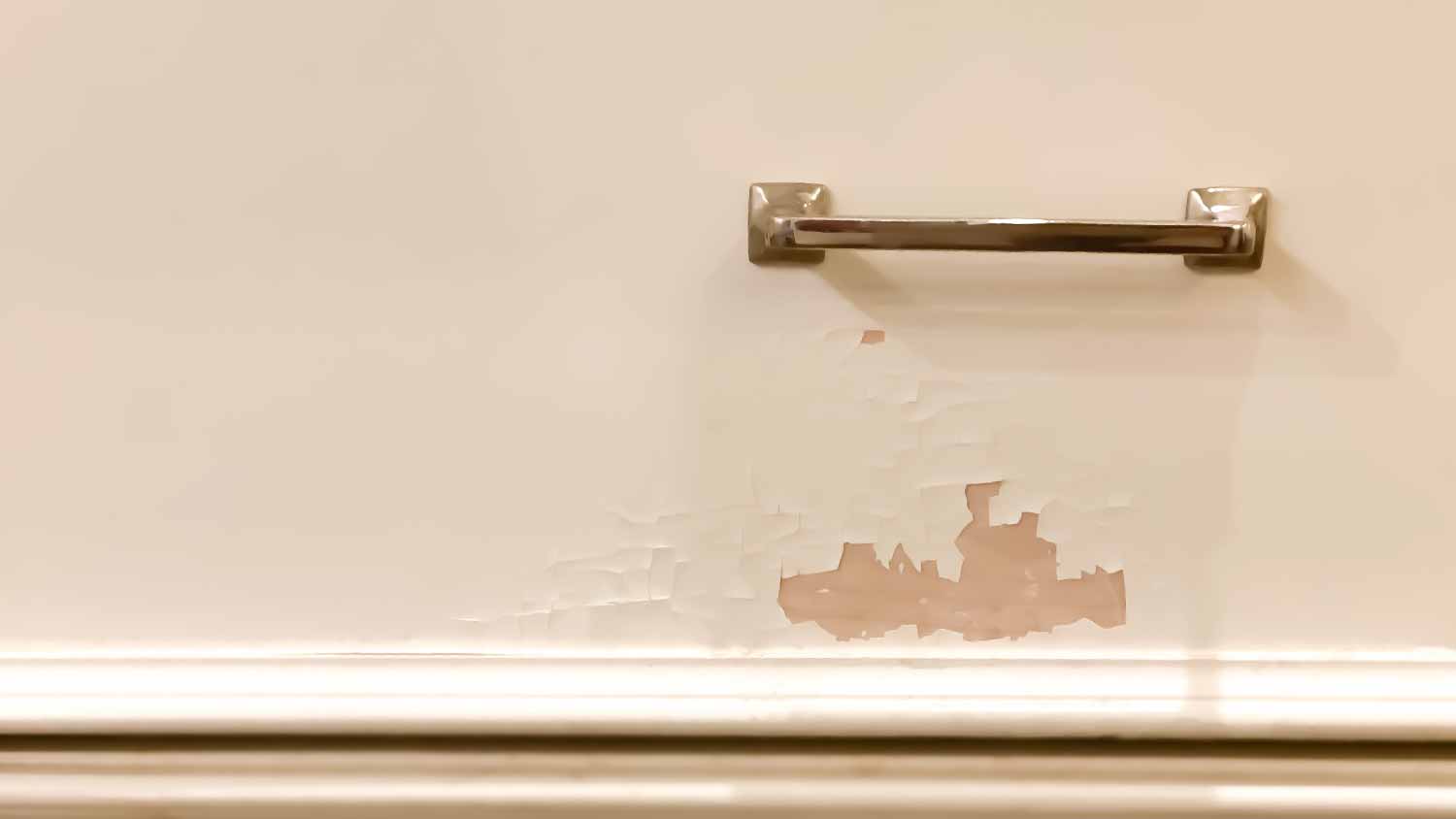
Properties should be tested for lead every 2-3 years, especially if they are older, have undergone renovations, or show deterioration of paint or interior finishes.

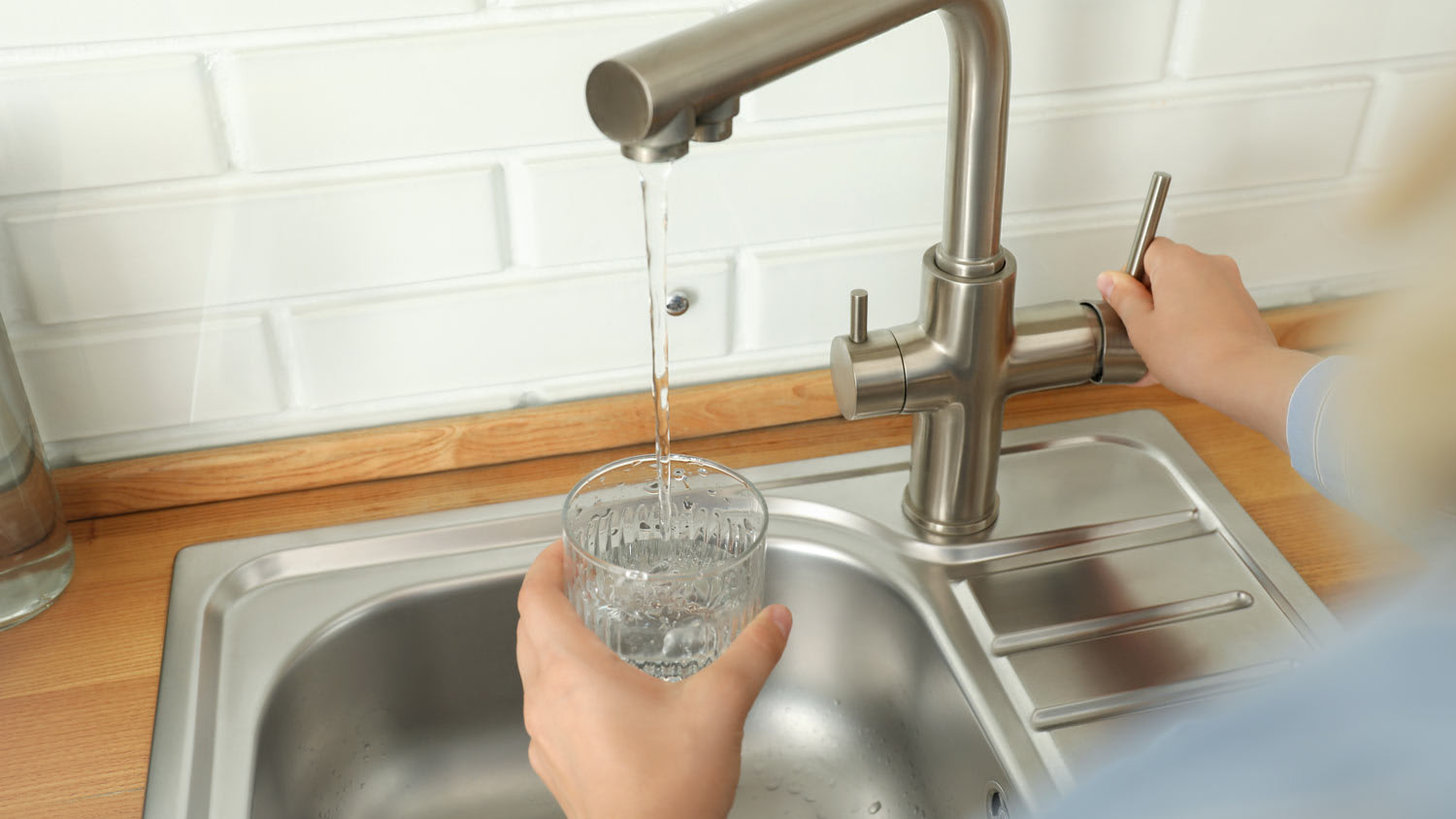
Several different measurements may be used to determine the amount of lead in water. The most common unit of measurement is micrograms per liter (µg/L), which is the same as parts per billion. Another measurement is milligrams per liter (mg/L), which is the same as parts per million.

Government regulations such as the EPA and OSHA govern lead removal procedures to ensure health and environmental safety during and after abatement.

According to the Environmental Protection Agency (EPA), hazardous waste is generally classified into four main categories:

1. Characteristic Wastes: These exhibit at least one of four hazardous traits: ignitability (flammable, like gasoline), corrosivity (can rust or decompose materials, like car batteries), reactivity (unstable and can explode, like aerosol cans), or toxicity (harmful when ingested, like lead-based paint).

2. Listed Wastes: These are specific wastes from manufacturing and industrial processes that the EPA has officially designated as hazardous. They include byproducts from processes that use solvents, pesticides, and other chemicals.

3. Universal Wastes: These are commonly generated hazardous items that are subject to streamlined regulations. Examples include batteries, pesticides, mercury-containing equipment (e.g., bulbs), and some lamps.

4. Mixed Wastes: This category includes waste that contains both hazardous and radioactive components, making it subject to regulation by both the EPA and the Nuclear Regulatory Commission.
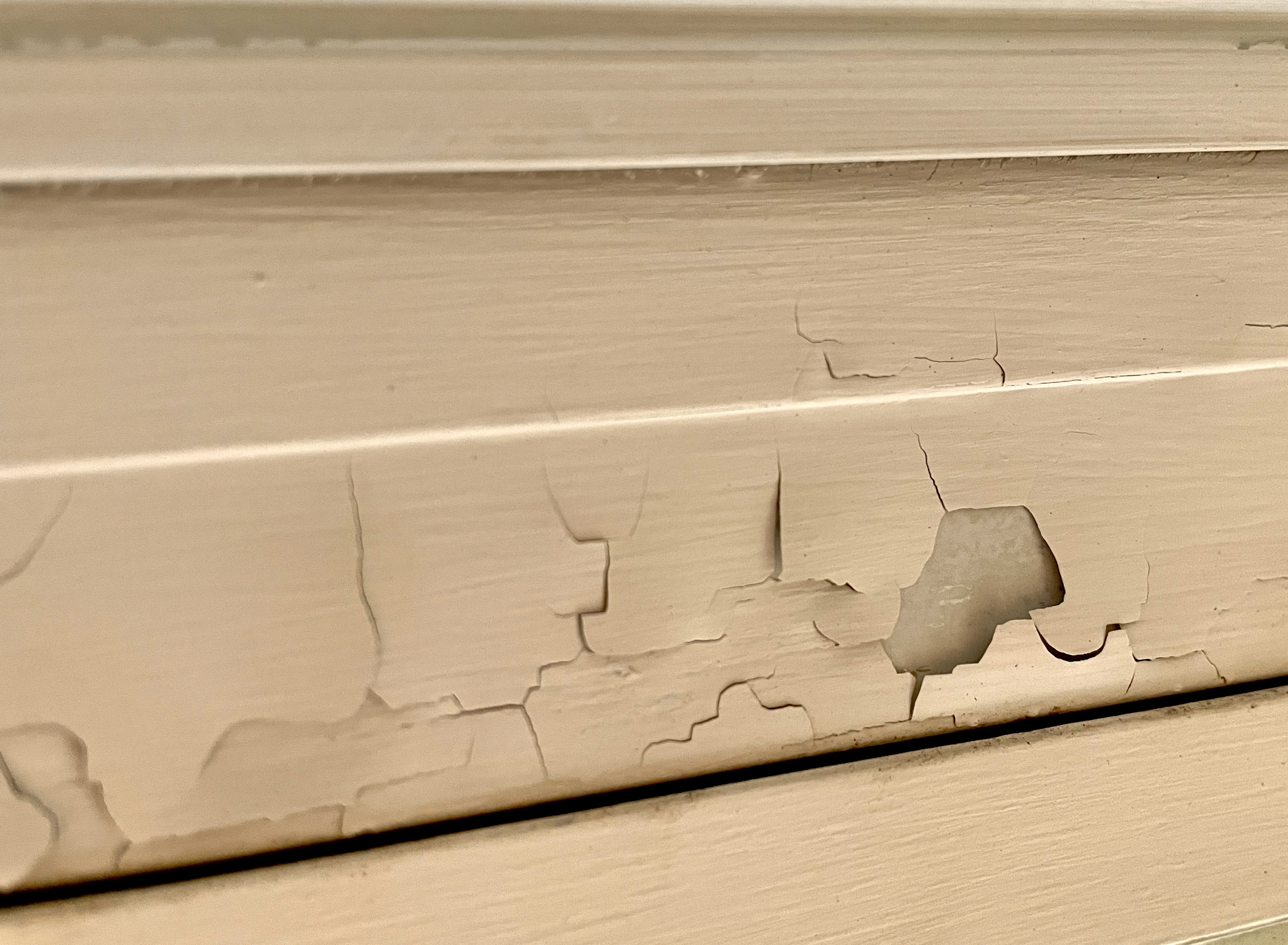
DIY lead testing kits are available, but they often lack the accuracy and reliability of professional services. Professional testing is recommended for more accurate results, as properly certified testers can provide a thorough analysis, clear recommendations, and the necessary legal documentation if remediation is required.

The Bowling Green, FL homeowners’ guide to lead testing and removal services

From average costs to expert advice, get all the answers you need to get your job done.