







Top-rated energy efficiency auditors.

Best energy efficiency auditors near Millville, DE

Enter your zip and get matched with up to 5 pros

Need a pro for your energy efficiency auditing project in Millville, DE?

Select your specific project to find the pro for you.

Top-Rated Energy efficiency auditors in Millville - Updated Nov 2026

Avatar for Lawson Home Services, LLC
Lawson Home Services, LLC
4.6(
60
)
Home Energy Audit

Serving Millville, DE and surrounding areas

Approved

In business since 2010

Free estimates

Emergency services offered

"Donnie was the person who did the work -cleaning out our dryer vent using a camera to record the inside of the vent the entire vent was completely clog with lint, and after the wok was done, it was completely empty the work was very reasonable priced. I highly recommend Lawson Home Services"
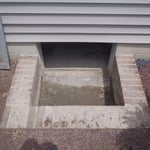
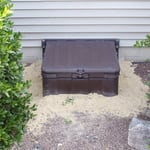
Metal Door Crawlspace Entrace
Turtl Crawlspace Entrance
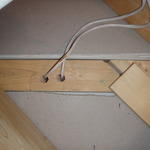
Attic Air Leaks
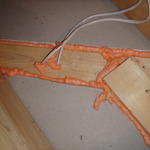
Attic Air Sealing
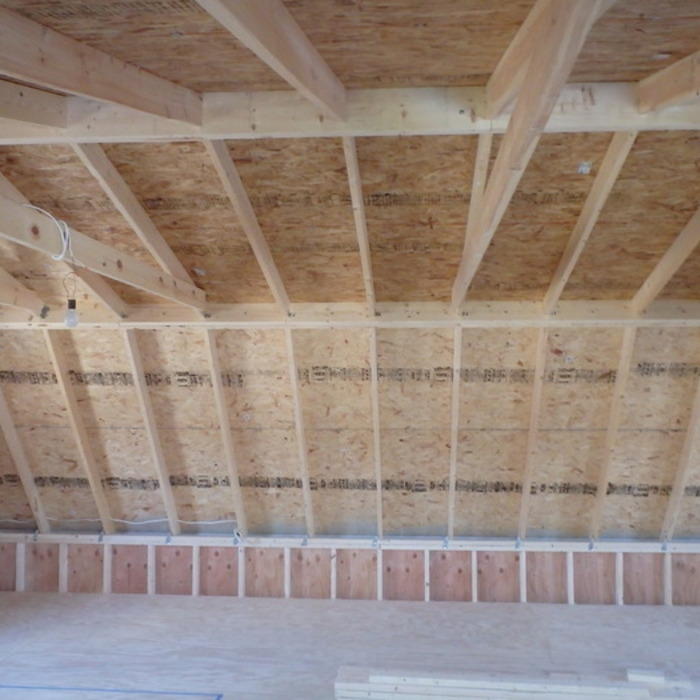
Garage Loft Ready for Sprayfoam

+137

Response time9 hrs
150 neighbors recently requested a quote
Recommended by92%of homeowners

Avatar for Orbit Energy & Power, LLC
Orbit Energy & Power, LLC
3.7(
12
)
Energy Audit - For BusinessHome Energy Audit

Serving Millville, DE and surrounding areas

In business since 2017

Free estimates

Emergency services offered

"Very good, almost great. The install team arrived on time, confirmed work order & started the job. In about 4.5 hrs, power was applied & we started to get heat. A quick overview of the HAVC system was given, balance paid all questions answered and there were smiles on most faces. The sales person described the operation of the new HAVC to be quieter than current system and it is. However, the term quieter was not expressed in db difference so a service tech came out and was able to discuss the issue. The whole evolution was a positive event and we will gladly refer Orbit Energy & Power LLC, as a HAVC company that I will work with again."
Recommended by72%of homeowners
Energy Efficiency Auditing FAQs, answered by experts

A whole-house humidifier can positively impact energy consumption by improving heating efficiency. During colder months, humidified air feels warmer, which allows you to lower your thermostat without sacrificing comfort. This adjustment can lead to significant energy savings as your heating system works more efficiently. However, it's important to use the humidifier judiciously, as excessive humidity could potentially strain your cooling system in warmer months.

Leaving vents open but closing doors in unused rooms will probably not save money on your energy bill. Closed doors prevent the natural flow of air throughout the home, which could reduce the efficiency of the overall HVAC system. They could also restrict airflow into and through the return vents, making the HVAC system less efficient.

Homeowners can often access federal tax credits, such as the Investment Tax Credit (ITC), which covers a percentage of installation costs. Many states and utilities offer additional rebates, grants, or performance-based incentives. These programs can significantly lower your upfront investment. Check the Database of State Incentives for Renewables and Efficiency (DSIRE) or contact your local energy office for current offers.

Blower door tests are measured in a few different ways, but the most popular are air changes per hour (ACH) and cubic feet of air (CFM) moving through the house per hour. A good ACH score is less than 2ACH, but 1ACH is better. This means the house experiences a total air change within 60 minutes (for 1ACH). For 2ACH, there’s a complete change every 30 minutes, and so on. CFM scores are similar in that a lower score means less air change, and therefore less leakage.

R-value measures an insulation material's thermal resistance, indicating its ability to resist heat transfer. A higher R-value signifies better insulation performance because the material is more effective at slowing heat flow. The R-value depends on the type, thickness, and density of the insulation material, such as fiberglass, foam, or cellulose. Each inch of insulation typically provides an R-value between 3 and 8. There is no single universal R-value; the optimal choice depends on your climate zone. Colder climates require a much higher R-value than warmer ones to maintain energy efficiency, keep the home warm in winter and cool in summer, and manage costs.

The Millville, DE homeowners’ guide to energy efficiency auditing services

From average costs to expert advice, get all the answers you need to get your job done.