




Top-rated drywall pros.

Get matched with top drywall pros in Camden, DE

Enter your zip and get matched with up to 5 pros

Need a pro for your drywall service project in Camden, DE?

Select your specific project to find the pro for you.

TRUSTED BY CAMDEN, DE HOMEOWNERS

  • Average homeowner rating star icon4.1
    Average homeowner rating
  • Verified reviews icon56
    Verified drywall services reviews

Find Drywall pros in Camden

...
Showing 1-10 of 187
Drywall questions, answered by experts

There are six levels of drywall finish, from 0 to 5, that refer to the amount of work performed during the finishing process.

Level 0: Drywall is hung with no finishing work.

Level 1: Tape is placed over the seams between drywall sheets.

Level 2: A thin layer of mud is applied over the tape and screw holes. This level is common for utility rooms or walls that will be covered.

Level 3: A full coat of mud covers the screw holes and tape, but the surface is not sanded. This is often used in garages.

Level 4: This is the most common finish for visible interior walls. It involves applying two coats of mud over seams and screw holes, with sanding between each coat, creating a smooth surface ready for flat paint.

Level 5: This is a high-end finish for luxury homes. It includes full taping, mudding, and sanding, plus a final skim coat over the entire surface before painting.

Applying plaster to a wall will usually cost between $2 and $10 per square foot for both the material and labor. The cost will vary based on the quality of the plaster you’re using and whether or not prep work is required before the work begins. Wall prep can add up to about 10% to your total costs. Plastering exterior walls can be more expensive in many cases because they are taller and require scaffolding and safety equipment.
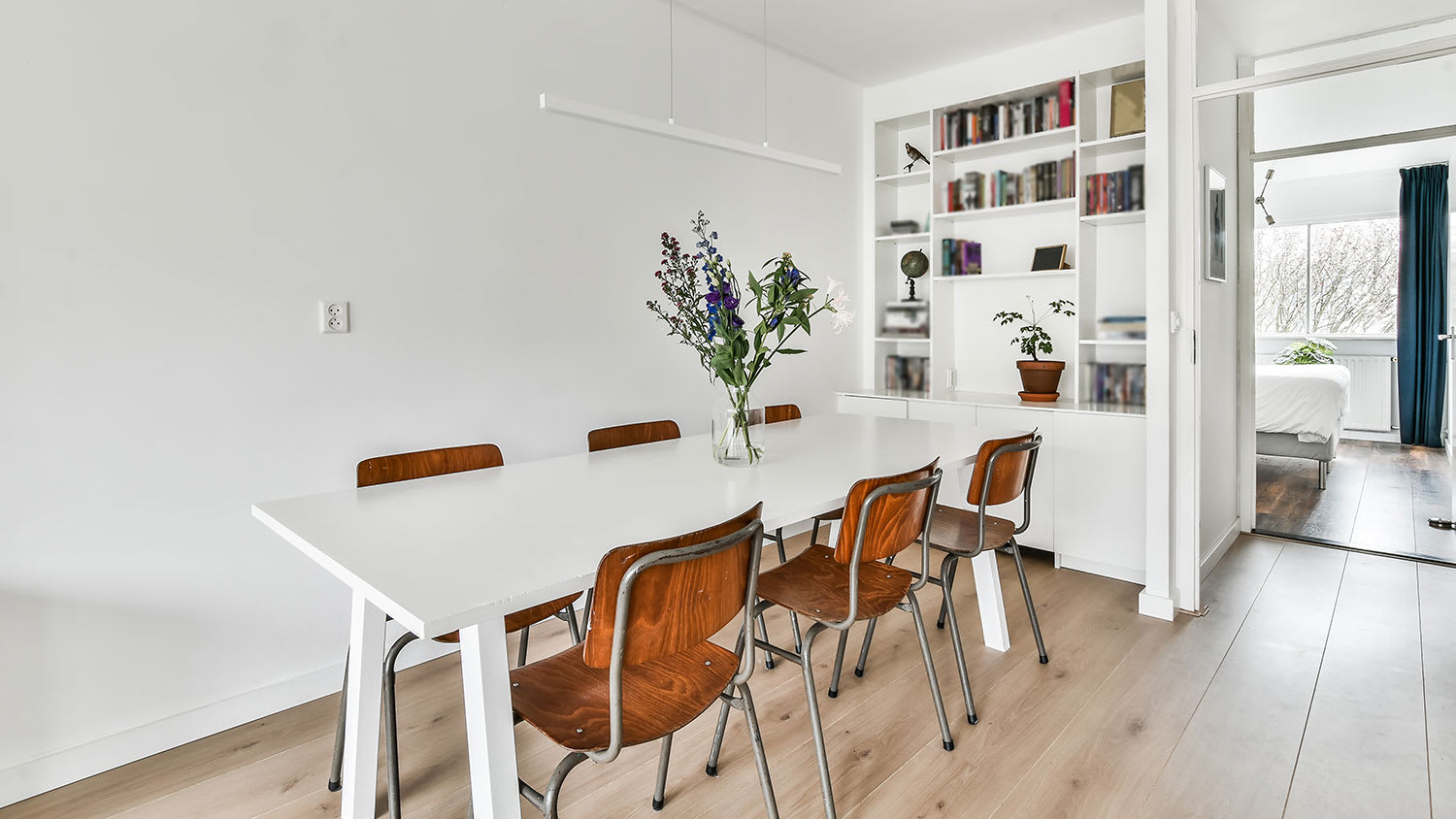
When sanding drywall mud, you’re going to create a very fine dust that may contain silica. Silica dust contains crystalline silica, which can cause long-term illnesses for people who inhale it in significant quantities. Wear a mask while sanding drywall. Then dampen a drywall sponge to wipe the dust off the drywall, helping to reduce the amount of dust that may become airborne.

Damp plaster does dry out, although the drying time depends on several factors, including the type of plaster, the surrounding temperature, moisture content, and the extent of the dampness. Sometimes, it can take weeks or months for wall plaster to dry naturally.

You can skim coat plaster, but it’s better to repair the plaster itself. A skim coat is a thin coat of drywall joint compound spread over the surface of a wall. The result is a flat finish that looks pleasing, but part of the appeal of plaster is its imperfections and aesthetic. Skim coating is best when limited to drywall applications.

The Camden, DE homeowners’ guide to drywall services

From average costs to expert advice, get all the answers you need to get your job done.