







Top-rated generator install pros.

Get matched with top generator install pros in Windsor Locks, CT

Enter your zip and get matched with up to 5 pros

Need a pro for your generator install project in Windsor Locks, CT?

Select your specific project to find the pro for you.

Find Generator install pros in Windsor Locks

Avatar for R A Buckley & Son Electrical Contractors, LLC
R A Buckley & Son Electrical Contractors, LLC
4.8(
48
)
Fixed Generator - InstallGenerator - Install - For BusinessPortable Generator - Install

Serving Windsor Locks, CT and surrounding areas

Approved

Super Service Award Winner

In business since 2000

Free estimates

Offers commercial services

"We are part way through the process of installation of a Backup home generator. Rob provided excellent information at the first visit. He discussed various options for our home, and the process made me very confident about the decisions we made."
Response time7 hrs
Response rate89%
1 neighbors recently requested a quote

Tranmer Electric, LLC
4.5(
128
)
Fixed Generator - InstallPortable Generator - Install

Serving Windsor Locks, CT and surrounding areas

Approved

In business since 1999

Free estimates

Emergency services offered

"I had a next day rush job to do and Tranmer Electric was there bright and early and got the job done. Very responsive and quality work. Also left the worksite broom clean. I would definitely recommend them and would use them again."
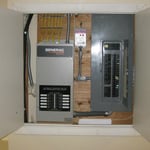
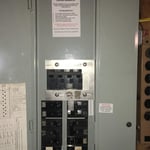
Before Panel change
Adding Motion detectors
 Finished panel change
Adding Motion detectors
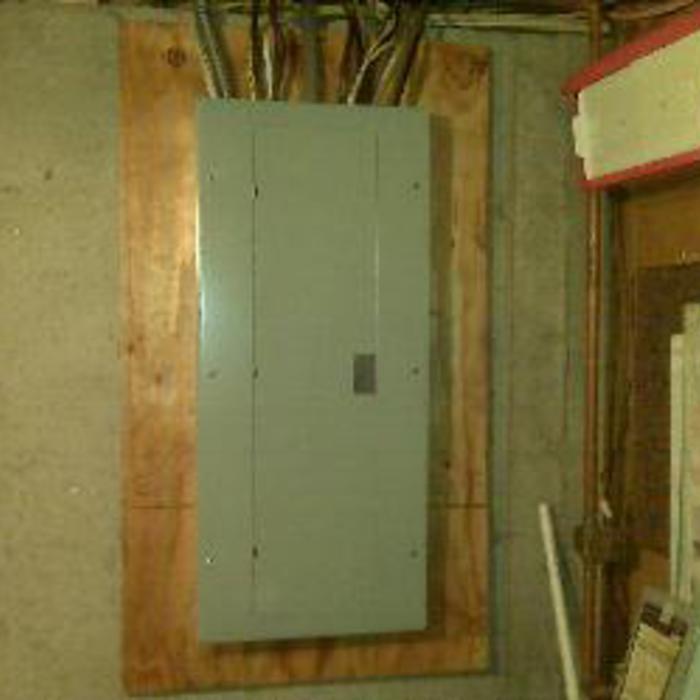
Panel cover on

+4

1 neighbors recently requested a quote
Recommended by96%of homeowners
...
Showing 1-10 of 63
Generator Install questions, answered by experts

To determine the right size generator for your house, you should calculate the total wattage of the appliances and devices you want to power during an outage. List all essential items, note their start-up wattages, and add them together.
Here are some typical wattage requirements for common appliances:

  • Refrigerator: 600 watts

  • Large dehumidifier: 700 watts

  • Large window air conditioner: 1,400 watts

  • Water heater: 3,000 to 4,500 watts

  • Electric furnace: 5,000 to 25,000 watts

A 7,500-watt generator might be sufficient for essentials like a refrigerator, freezer, well pump, and lighting circuits. However, for high-demand items like a water heater or furnace, a whole-home generator is a better choice. A portable generator may be enough if you only need to power a few critical items.

While home square footage can offer a rough estimate, it is not always a reliable indicator. For reference, here are some typical generator sizes based on square footage:

  • 1,000 sq ft: 6–9 kW

  • 1,500 sq ft: 7–10 kW

  • 2,000 sq ft: 10–14 kW

  • 2,500 sq ft: 12–16 kW

  • 3,000 sq ft: 16–20 kW+

For the most accurate sizing, consult a professional who can calculate your home's peak and average power consumption and recommend the optimal generator.

The amount of time a standby generator can run continuously is around 3,000 hours on average. However, standby generators can generally run indefinitely as long as they have a continuous fuel supply. Generators hooked up to a home’s natural gas supply are the best option for extended usage, as these won’t rely on a finite fuel supply based on how much you have in storage. Generators running on liquid propane or diesel won’t last as long, as these require fuel storage and regular refueling to stay running.

It is safe to run a generator continuously, but you must follow safety protocols to ensure personal and home safety. Read the manufacturer’s instructions for specific recommendations, but the general recommendation is to turn generators off overnight or when you’re away from the house. Overworked generators can pose a fire hazard and if your generator is not in a well-ventilated area, running it continuously could lead to carbon monoxide poisoning.

Generally, you’ll want to keep between 60 and 70 feet between the generator and the transfer switch. There are a few reasons for this, including:

  • The distance reduces the noise coming from the generator into your home.

  • It increases efficiency because you won’t have a voltage drop from this short of a distance.

  • Prevents carbon monoxide poisoning: keep at least 15 feet between your generator and an open window. 

To reduce AC startup power for a whole-house generator, install a soft start kit or hard start capacitor, which lowers the initial surge by gradually ramping up the compressor. Using a smart load manager can also help by staggering startup loads, preventing a system overload and future costly repairs.

The Windsor Locks, CT homeowners’ guide to generator installs

From average costs to expert advice, get all the answers you need to get your job done.