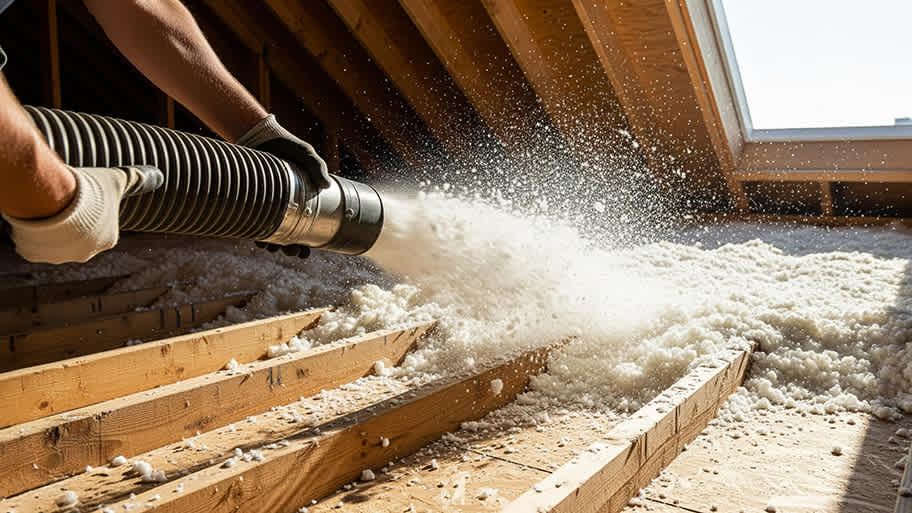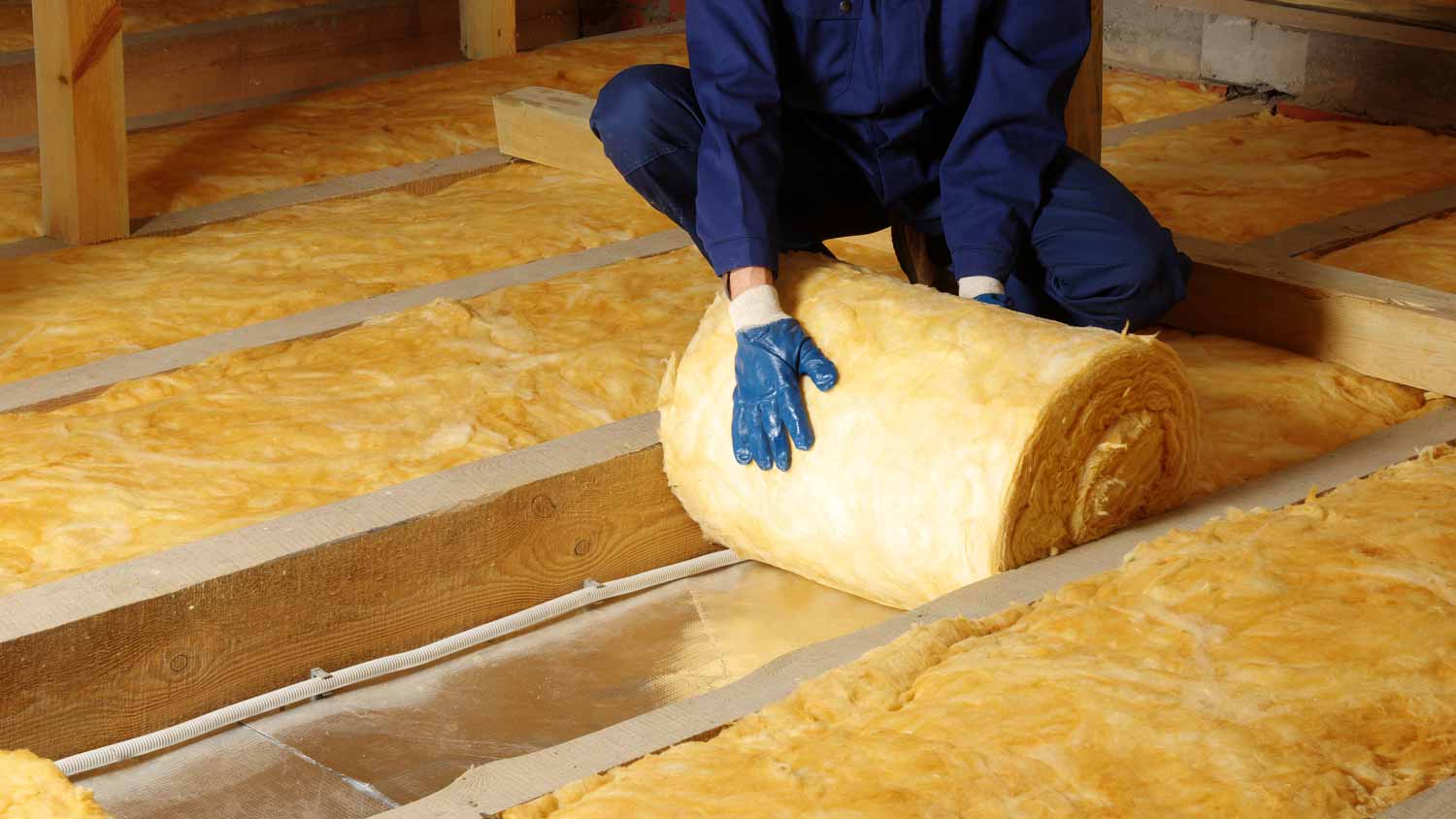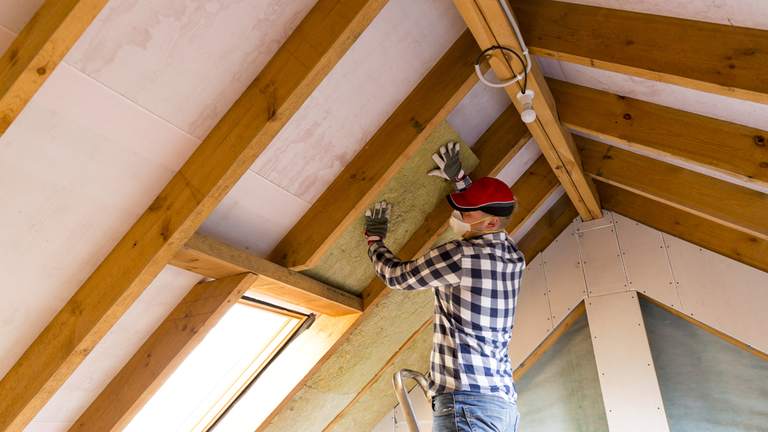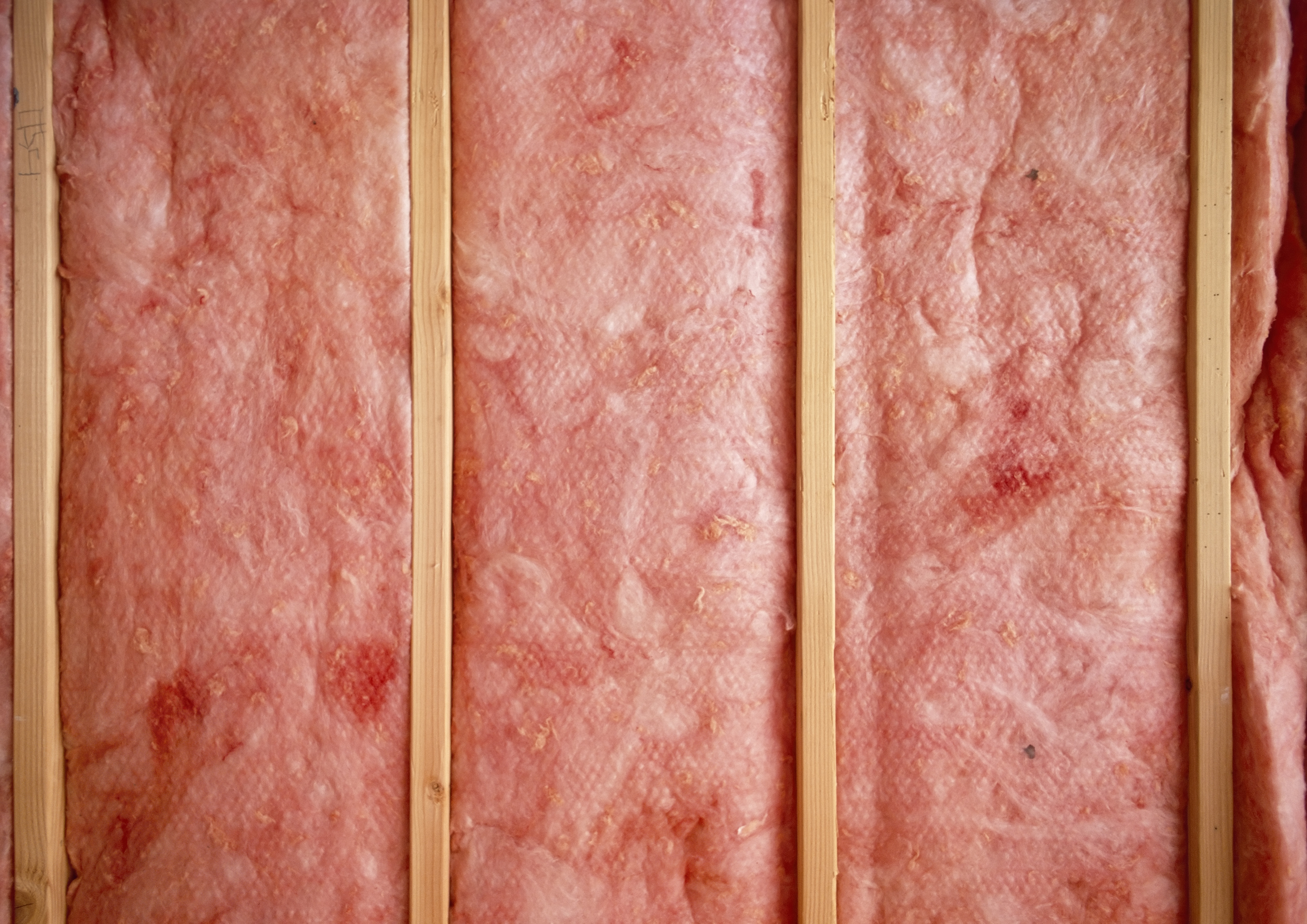







Top-rated insulation pros.

Get matched with top insulation pros in Waterford, CT

Enter your zip and get matched with up to 5 pros

Need a pro for your insulation service project in Waterford, CT?

Select your specific project to find the pro for you.

TRUSTED BY WATERFORD, CT HOMEOWNERS

  • Average homeowner rating star icon4
    Average homeowner rating
  • Verified reviews icon42
    Verified insulation services reviews

Find Insulation pros in Waterford

Avatar for McMahon Spray Foam, LLC
McMahon Spray Foam, LLC
4.6(
31
)
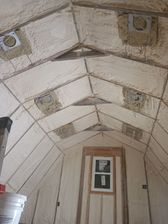
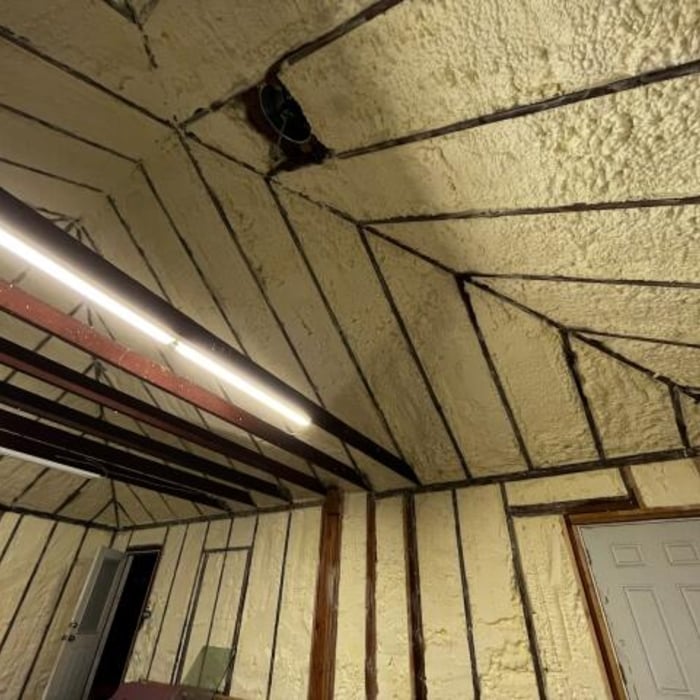
Spray Foam Insulation - InstallBatt, Rolled or Reflective Insulation - Install or Upgrade

Serving Waterford, CT and surrounding areas

Approved

In business since 2018

Free estimates

Emergency services offered

"I don’t know why anyone would hire anyone else. Anthony is courteous/responsive, knows insulation cold, was quick to provide estimates and service and is smart about his hires, with net results—great workmanship at a very fair price."
Spray Foam Insulation
Open Cell Spray Foam

+5

Response time1 day
46 neighbors recently requested a quote
Recommended by93%of homeowners
Avatar for Best Home Performance, LLC
Best Home Performance, LLC
4.7(
26
)
Blown-In Insulation - Install or UpgradeBatt, Rolled or Reflective Insulation - Install or UpgradeInjection Insulation - Install+1 more

Serving Waterford, CT and surrounding areas

Approved

Super Service Award Winner

In business since 2018

Free estimates

Emergency services offered

"Recently had my attic insulated by Best Homes. Chris and his crew were professional and very efficient with their work. They insulated my attic within a few hours and left my house cleaner than it was before they got there. I wouldn't want the job done by anyone else."
Garage wall in Wallingfor
Insulation
Insulation
Insulation
Insulation

+2

Response time11 hrs
Response rate96%
19 neighbors recently requested a quote
Showing 1-10 of 33
Insulation questions, answered by experts

You do not always need to remove old insulation before adding new. If the existing insulation is in good condition—not wet, physically damaged, moldy, or infested with pests—you can add new insulation directly on top of it for a compounding effect. You can also mix different types, such as adding blown-in insulation around existing fiberglass batts.
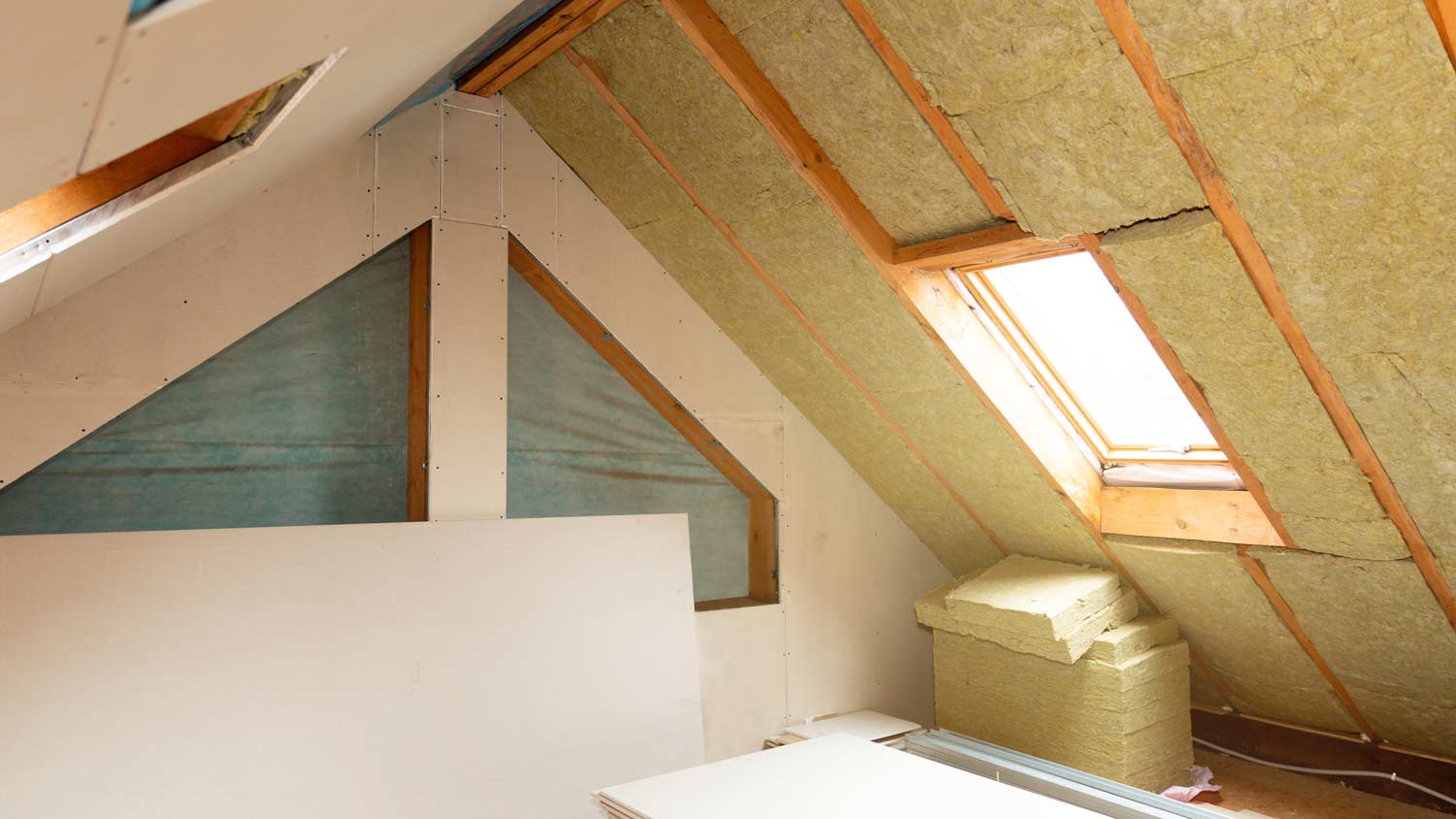
However, removal is recommended if the old insulation is compromised by water damage or pests. You should also remove it if you plan to install a different type of insulation, like switching from roll or batt insulation to spray foam. If the existing insulation is very old or damaged, you will likely get more benefit from removing it and starting fresh.

A vapor barrier keeps moisture out of the crawl space, while insulation reduces the amount of unconditioned air—and sometimes moisture—that enters the space. Coupling a vapor barrier with insulation can help prevent humidity and related moisture damage in a crawl space while also making your home more energy-efficient. Just be sure to use insulation that won’t get damaged from moisture, like rigid foam board or expanding spray foam insulation.

Yes, many professionals offer insulation options, such as insulated siding (including insulated metal siding), to improve your home's energy efficiency.

A plastic vapor barrier should completely cover your basement to prevent water from penetrating through the walls. This typically goes before installing insulation to prevent moisture from building up and becoming trapped on the inside of your insulation, where it can collect and lead to mold damage. Installing insulation after the vapor barrier allows for any moisture to exit the walls for better ventilation.

Yes, even though frost-free and freeze-proof faucets are designed to withstand winter weather, it is still recommended to cover them with an insulated cap, especially during periods of extreme cold. These faucets work by keeping excess water inside the home's heated space and using a downward slope to drain, but this protection can be compromised. For the faucet to work correctly, you must always disconnect any attached hoses before temperatures drop below freezing, as a hose can trap water and lead to freezing. Ultimately, covering all outdoor faucets, even freeze-proof models, is the best way to prevent frozen and burst pipes.

The Waterford, CT homeowners’ guide to insulation services

From average costs to expert advice, get all the answers you need to get your job done.