





Top-rated aquarium service pros.

Best aquarium service pros near Warren, CT

Enter your zip and get matched with up to 5 pros

Need a pro for your aquarium service project in Warren, CT?

Select your specific project to find the pro for you.

TRUSTED BY WARREN, CT HOMEOWNERS

  • Average homeowner rating star icon4.9
    Average homeowner rating
  • Verified reviews icon61
    Verified aquarium services reviews

Top-Rated Aquarium service pros in Warren - Updated Nov 2026

Avatar for MAS MASONRY
MAS MASONRY
5.0(
11
)
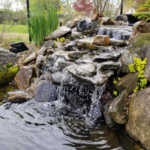
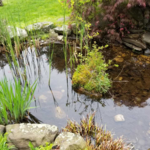
Water Feature - Install a Pond

Serving Warren, CT and surrounding areas

In business since 2005

Free estimates

Emergency services offered

"Marcos and his crew redid my back patio by pitching it away from the house so water would drain . He also added on to the patio using both my pavers and additional ones . He used Belgian blocks as an edge. Most importantly, he fit pieces perfectly around areas which could not use a whole paver. Magnificent job all around."
Additional Photos
Additional Photos
Additional Photos
Additional Photos
Additional Photos

+175

Recommended by100%of homeowners
Showing 1-10 of 12
Aquarium Services FAQs, answered by experts

Baking soda can help neutralize septic tank odors. If the pH balance in your tank is off, it may emit a sulfurous, rotten-egg-like smell. Flushing about one cup of baking soda down the toilet once a week can help neutralize the odor. To increase the beneficial bacteria in your tank, you can add three rotten tomatoes through your garbage disposal every three months.

To prevent odors in the first place, only flush human waste and toilet paper. Avoid pouring coffee grounds, fats, oils, or grease down your drains, as this can lead to clogs. While these methods can help, the most effective long-term solution is to have your septic tank pumped regularly, typically every three to five years. Because sewage gas can be toxic, it is recommended to hire a professional to identify the source of the smell rather than only trying to neutralize it.

The best times of year to pump or empty a septic tank are spring and fall. Many professionals recommend spring because the ground has thawed, making the tank easier to access, and any snowmelt or rainfall can aid in proper drainage. Pumping before summer is also ideal to avoid conflicts with vacations or outdoor gatherings.

Fall is another great option, as contractors may be less busy than in the spring. Servicing the tank in late fall or early spring can also reduce the risk of overflow from extra precipitation during winter and spring.

While summer is a possibility, winter is generally not recommended. The ground is often frozen, which can make it difficult to access the tank, and the waste inside may also be frozen.

No. You should dispose of all oil-based finishing products through a local hazardous waste program. Not only can oil-based finishes be hazardous for the environment if disposed of in the sink, but they can cause clogs in your pipes and stop up your drains. Most municipal garbage or waste disposal companies have a specific location or pick-up schedule for hazardous materials, so that’s your best bet to get rid of excess finishing products.

A two-way cleanout can help if there’s already a clog, but the best strategy to prevent one is by not rinsing grease, oil, or fat down your drains, not flushing or rinsing coffee grounds or egg shells down your drains, flushing only human waste and toilet paper (so no diapers, period products, bathroom wipes, or paper towels), and using drain guards on all of your drains.

Professionals will ensure waste is sorted for recycling, thus reducing landfill impact.

The Warren, CT homeowners’ guide to aquarium services

From average costs to expert advice, get all the answers you need to get your job done.