



Top-rated lead testing and removal specialists.

Get matched with top lead testing and removal specialists in Voluntown, CT

Enter your zip and get matched with up to 5 pros

Need a pro for your lead testing and removal project in Voluntown, CT?

Select your specific project to find the pro for you.

Find Lead testing and removal specialists in Voluntown

Avatar for A-Vets Demo, LLC
A-Vets Demo, LLC
New to Angi
Toxic Lead - Abatement

Serving Voluntown, CT and surrounding areas

Free estimates

Emergency services offered

Small jobs welcome

We are a small, family-owned, and veteran owned business established in 2012. We specialize in asbestos abatement, lead abatement, selective demolition, Class-B demolition, PCB abatement and mold remediation. We are proud to be veteran owned and operated. Most of our associates have a military background and have served in the Iraq and Afghanistan wars. Our military background results in a unique discipline and work ethic on the job site and guarantees a job well done. We are located in Vernon CT, service all counties/towns throughout, and are fully licensed, insured, bonded and certified in the state of Connecticut. Our company has a long list of successful long-term client relationships, created over the lifetime of our business. We pride ourselves on serving a wide variety of clients including corporations, developers, banks, local municipalities, school districts, non-profit organizations, colleges, universities, the federal and state government as well as residential homeowners.

Abate.
New to Angi
Toxic Lead - Abatement

Serving Voluntown, CT and surrounding areas

In business since 2023

Free estimates

Emergency services offered

Abate. is committed to excellence in every aspect of our business. We uphold a standard of integrity bound by fairness, honesty, and personal responsibility. Our distinction is the quality of service we bring to our customers. Accurate knowledge of our trade combined with ability is what makes us true professionals. Above all, we are watchful of our customers' interests, and make their concerns the basis of our business.

Lead Testing and Removal questions, answered by experts

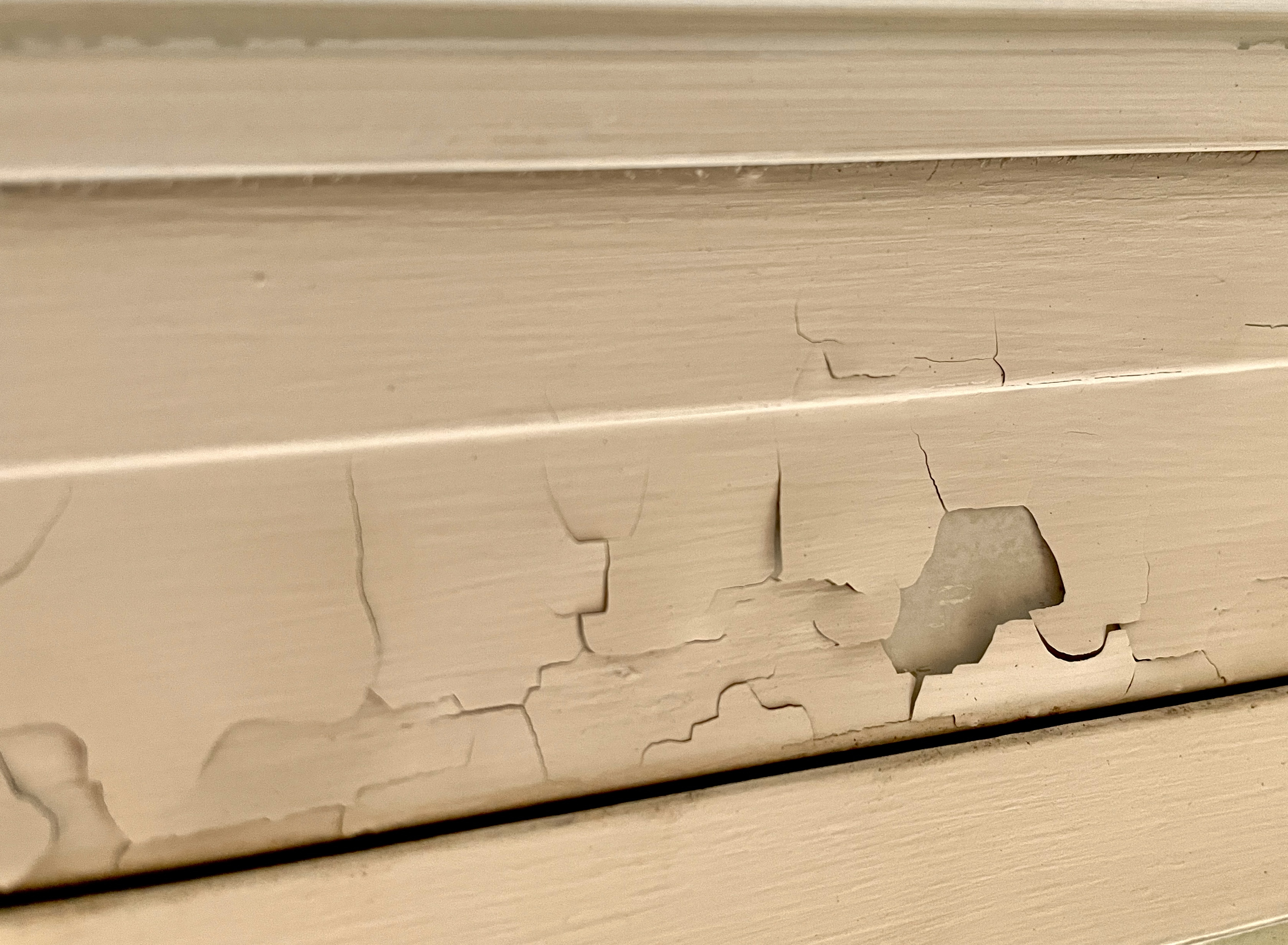
If the lead paint is in a place that is not easily disturbed and is not flaking or deteriorating, you do not necessarily need to remove it. Lead is toxic when dust particles or flakes from peeling lead paint are ingested. If people are not in the area with the lead paint, it may be safe to leave it in place. You still may want to consider encapsulation with a paint formulated for covering lead-based paint, just for an added layer of protection.

How you test for lead in your water depends on the source of your home's water supply. If you have municipal water, your local water system may offer to test the water for free or may connect you to a lab that will perform the testing.

If you have a private well that provides drinking water, you are responsible for testing it for lead. Look for a lab that is accredited by your state's Department of Environmental Protection to perform the test.

Professional testing for lead paint costs about $300, ranging from about $250 to $700, depending on the square footage, accessibility, and location. However, testing for lead paint with a DIY home-testing kit costs about $25, but doesn’t guarantee accurate results. The U.S. Environmental Protection Agency (EPA) recommends using a lead test kit that complies with the Lead Renovation, Repair, and Painting (RRP) Rule, which has strict criteria for ensuring a more accurate reading.

Common home surfaces to test for lead include:

  • Walls

  • Windows

  • Doors

  • Molding and trim

  • Railings

You should ask a few questions to ensure that your potential lead removal professional is experienced and qualified to handle lead-paint abatement safely, legally, and properly.

  • What are your qualifications and experience removing lead-based paint?

  • Are you licensed and certified to remove lead-based paint?

  • How do you test for lead paint?

  • What methods do you use for lead-based paint abatement?

  • What do you plan to do with the hazardous material when you remove it from the home?

  • Do you do replacement and painting work or removal only?

According to the Environmental Protection Agency (EPA), hazardous waste is generally classified into four main categories:

1. Characteristic Wastes: These exhibit at least one of four hazardous traits: ignitability (flammable, like gasoline), corrosivity (can rust or decompose materials, like car batteries), reactivity (unstable and can explode, like aerosol cans), or toxicity (harmful when ingested, like lead-based paint).

2. Listed Wastes: These are specific wastes from manufacturing and industrial processes that the EPA has officially designated as hazardous. They include byproducts from processes that use solvents, pesticides, and other chemicals.

3. Universal Wastes: These are commonly generated hazardous items that are subject to streamlined regulations. Examples include batteries, pesticides, mercury-containing equipment (e.g., bulbs), and some lamps.

4. Mixed Wastes: This category includes waste that contains both hazardous and radioactive components, making it subject to regulation by both the EPA and the Nuclear Regulatory Commission.

The Voluntown, CT homeowners’ guide to lead testing and removal services

From average costs to expert advice, get all the answers you need to get your job done.