






Top-rated lead testing and removal specialists.

Get matched with top lead testing and removal specialists in Oakdale, CT

Enter your zip and get matched with up to 5 pros

Need a pro for your lead testing and removal project in Oakdale, CT?

Select your specific project to find the pro for you.

Find Lead testing and removal specialists in Oakdale

Avatar for Homeguard Environmental Services
Homeguard Environmental Services
5.0(
53
)
Toxic Lead - AbatementToxic Lead - Testing

Serving Oakdale, CT and surrounding areas

Approved

Super Service Award Winner

In business since 1985

Free estimates

Emergency services offered

"We used Homeguard Environmental for two asbestos removal projects and they were fantastic. Excellent service and work. The crew that did the work was very professional and worked efficiently and Francisco is extremely helpful and knowledgeable. I highly recommend them. Doug B."
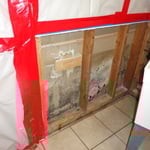
Mold Behind Sheetrock Wall
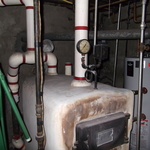
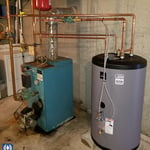
Boiler covered with Asbestos Mortar
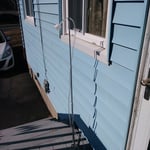
Lead Paint Abatement - Multi Family House
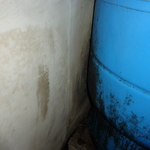
Mold on/at Bottom of Water Holding Tank
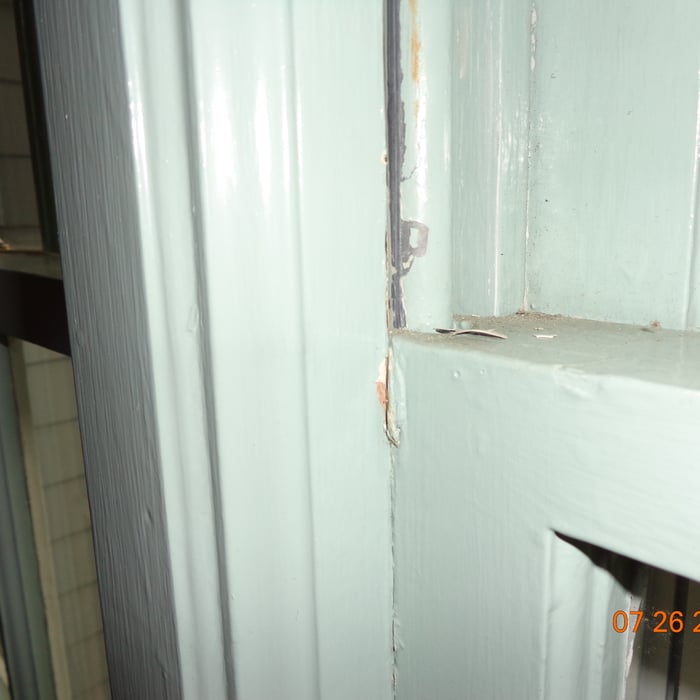
Example of Defective Lead Based Paint on Window

+3

Response time10 hrs
Response rate100%
Recommended by96%of homeowners
Avatar for A-Vets Demo, LLC
A-Vets Demo, LLC
New to Angi
Toxic Lead - Abatement

Serving Oakdale, CT and surrounding areas

Free estimates

Emergency services offered

Small jobs welcome

We are a small, family-owned, and veteran owned business established in 2012. We specialize in asbestos abatement, lead abatement, selective demolition, Class-B demolition, PCB abatement and mold remediation. We are proud to be veteran owned and operated. Most of our associates have a military background and have served in the Iraq and Afghanistan wars. Our military background results in a unique discipline and work ethic on the job site and guarantees a job well done. We are located in Vernon CT, service all counties/towns throughout, and are fully licensed, insured, bonded and certified in the state of Connecticut. Our company has a long list of successful long-term client relationships, created over the lifetime of our business. We pride ourselves on serving a wide variety of clients including corporations, developers, banks, local municipalities, school districts, non-profit organizations, colleges, universities, the federal and state government as well as residential homeowners.

Lead Testing and Removal questions, answered by experts

DIY kits are available for basic air quality testing, but professional services provide more comprehensive results and recommendations. While a DIY kit may seem cost-effective, a professional assessment is more thorough. Inspectors are better equipped to catch all pollutants and hazards, and you'll still need a professional to verify and act on DIY test results. Furthermore, some kits don't test for certain pollutants or only detect their presence without measuring specific levels (like mold spores). It's generally better to opt for a detailed professional assessment.

When a surface that contains lead dust is disturbed, the dust can float about in the air for roughly an hour before settling again. Since you cannot see the dust, it is important always to wear protective gear when working with any materials that may contain lead paint and to keep children, pets, and others away from the area for as long as possible

Properties should be tested for lead every 2-3 years, especially if they are older, have undergone renovations, or show deterioration of paint or interior finishes.

According to the Environmental Protection Agency (EPA), hazardous waste is generally classified into four main categories:

1. Characteristic Wastes: These exhibit at least one of four hazardous traits: ignitability (flammable, like gasoline), corrosivity (can rust or decompose materials, like car batteries), reactivity (unstable and can explode, like aerosol cans), or toxicity (harmful when ingested, like lead-based paint).

2. Listed Wastes: These are specific wastes from manufacturing and industrial processes that the EPA has officially designated as hazardous. They include byproducts from processes that use solvents, pesticides, and other chemicals.

3. Universal Wastes: These are commonly generated hazardous items that are subject to streamlined regulations. Examples include batteries, pesticides, mercury-containing equipment (e.g., bulbs), and some lamps.

4. Mixed Wastes: This category includes waste that contains both hazardous and radioactive components, making it subject to regulation by both the EPA and the Nuclear Regulatory Commission.

Professionals use specialized equipment and techniques to detect asbestos, radon, and VOCs.

The Oakdale, CT homeowners’ guide to lead testing and removal services

From average costs to expert advice, get all the answers you need to get your job done.