







Top-rated deck staining pros.

Get matched with top deck staining pros in Niantic, CT

Enter your zip and get matched with up to 5 pros

Need a pro for your deck staining project in Niantic, CT?

Select your specific project to find the pro for you.

TRUSTED BY NIANTIC, CT HOMEOWNERS

  • Average homeowner rating star icon4.8
    Average homeowner rating
  • Verified reviews icon133
    Verified deck staining services reviews
Deck Staining questions, answered by experts

It’s important to make sure the wood on a new deck is properly seasoned. Seasoning a deck is simple: Once you build it (or have a pro do so), just leave it alone so it can acclimate to the environment. If you don’t give the deck proper seasoning time before staining, the stain can lock in any lingering moisture and cause mold, rot, and other moisture issues down the road. Give the wood at least four to eight weeks to season before you stain.

The need for a topcoat on a painted deck depends on various factors, primarily the type of paint used and your desired level of protection. Many premium deck paint formulations are self-sealing, eliminating the necessity for an additional topcoat. These paints often have built-in additives that substantially protect against moisture, UV rays, and everyday wear and tear.

The best temperature to paint a pool deck is between 50 and 90 degrees Fahrenheit, because many paints and sealers require temperatures warm enough for the chemical reaction to take place for proper curing. The paint should not be allowed to freeze, and temperatures above 90 degrees can cause the paint to dry too quickly, also preventing the chemical reaction from following through to completion.
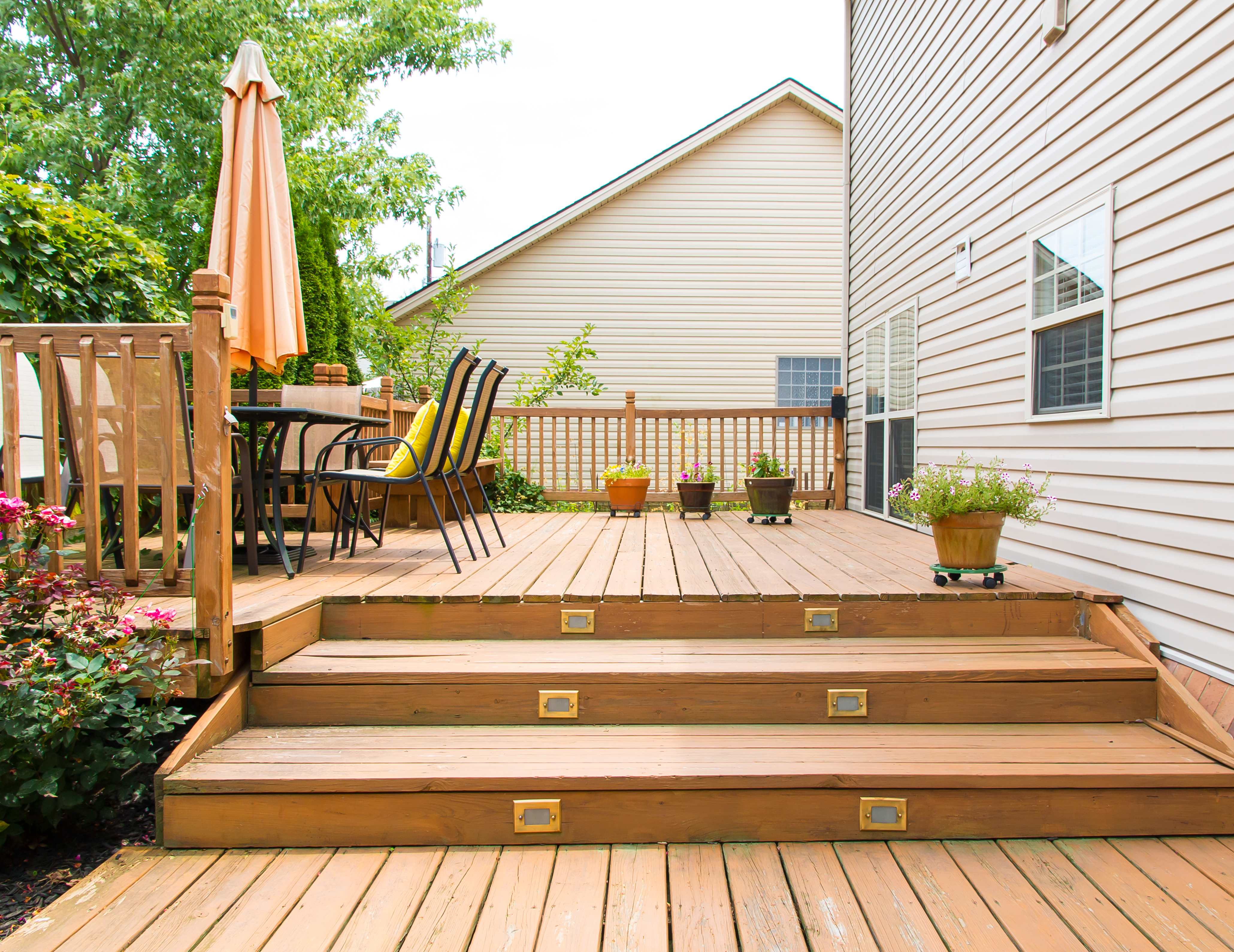
Ultimately, overapplication of stain can compromise the deck's appearance, durability, and longevity. It may result in an uneven finish, with excess stain pooling, dripping, or drying into thick patches. It can also obscure the wood's natural grain and texture, detracting from the desired aesthetic. Moreover, excessive staining may not fully penetrate the wood, leading to poor adhesion and premature wear. Additionally, thick layers of stain are prone to peeling, cracking, and blistering as they struggle to bond with the surface. 

Ideally, it's best to stain your dock once per year. Applying stain doesn't just keep it looking nice and new; it also helps extend the dock’s lifespan. Since you want to ensure water levels are at their lowest, it's best to have this project done by a professional dock repair service in the cooler autumn or early winter months.