



Top-rated lead testing and removal specialists.

Get matched with top lead testing and removal specialists in Columbia, CT

Enter your zip and get matched with up to 5 pros

Need a pro for your lead testing and removal project in Columbia, CT?

Select your specific project to find the pro for you.

Find Lead testing and removal specialists in Columbia

Avatar for Homeguard Environmental Services
Homeguard Environmental Services
5.0(
53
)
Toxic Lead - AbatementToxic Lead - Testing

Serving Columbia, CT and surrounding areas

Approved

Super Service Award Winner

In business since 1985

Free estimates

Emergency services offered

"We used Homeguard Environmental for two asbestos removal projects and they were fantastic. Excellent service and work. The crew that did the work was very professional and worked efficiently and Francisco is extremely helpful and knowledgeable. I highly recommend them. Doug B."
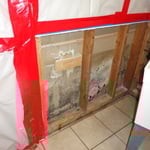
Mold Behind Sheetrock Wall
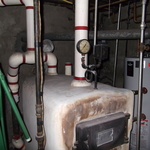
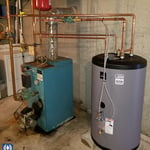
Boiler covered with Asbestos Mortar
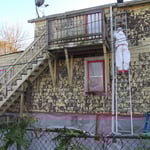
Lead Paint Abatement - Multi Family House
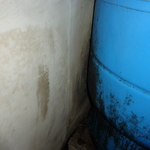
Mold on/at Bottom of Water Holding Tank
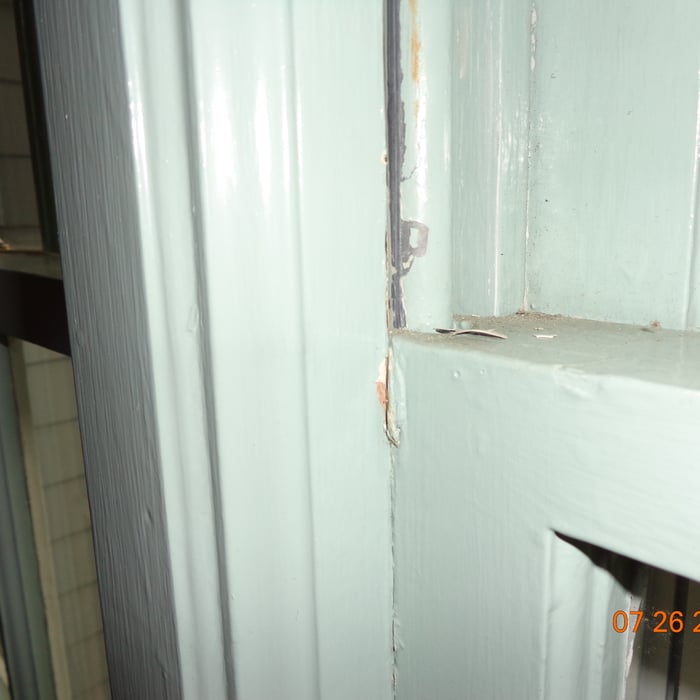
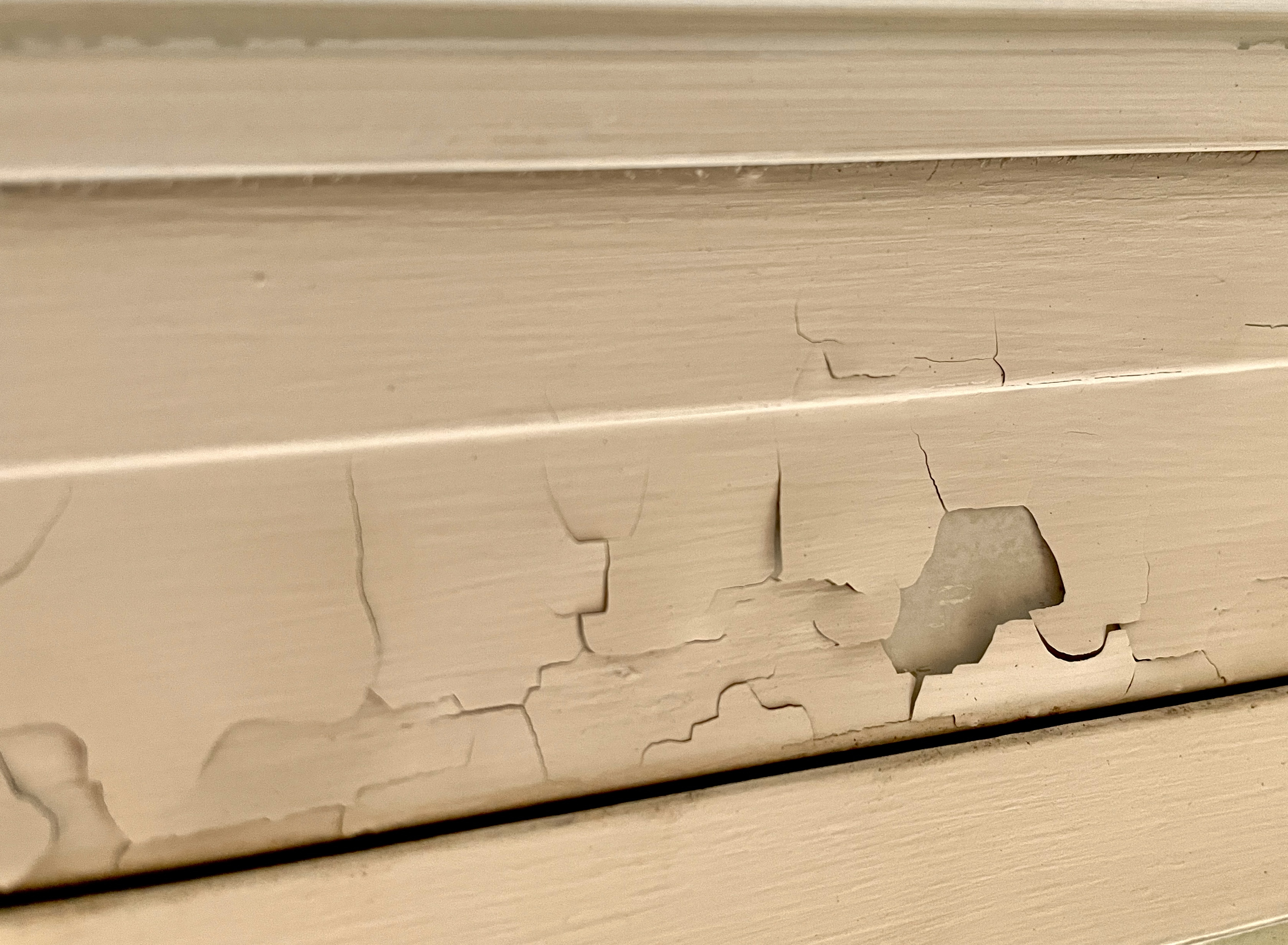
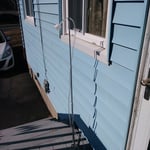
Example of Defective Lead Based Paint on Window

+3

Response time10 hrs
1 neighbors recently requested a quote

Recommended by96%of homeowners
S & B Environmental, LLC
4.5(
53
)
Toxic Lead - Testing

Serving Columbia, CT and surrounding areas

Approved

In business since 1998

Free estimates

Credit card accepted

"Vernon responded immediately (in the evening) to the Home Advisor inquiry and he was available for lead paint testing and provided a report quickly for a city building permit. I hired him again for follow-up asbestos testing. I am thankful for his responsiveness (the permit process has been challenging) and feel confident that he is advising me on what is needed and not creating extra or unneeded work. Highly recommend."
36 neighbors recently requested a quote
Recommended by90%of homeowners
Avatar for Crown Colony Construction
Crown Colony Construction
3.8(
5
)
Toxic Lead - AbatementToxic Lead - Testing

Serving Columbia, CT and surrounding areas

In business since 1995

Free estimates

Credit card accepted

"Crown Colony Construction seemed very decent with his quote. We never went ahead with the project, but we would have chosen him to do the project had we gone ahead. We had a positive image of him during the quoting process. We never went beyond getting quotes though. He was very responsive, reasonable and answered all the questions. His prices were competitive and he was prompt. He seemed very direct and very reliable."
Custom Homes
Kitchen Remodeling
Room Additions
Recommended by75%of homeowners
Showing 1-10 of 12
Lead Testing and Removal questions, answered by experts

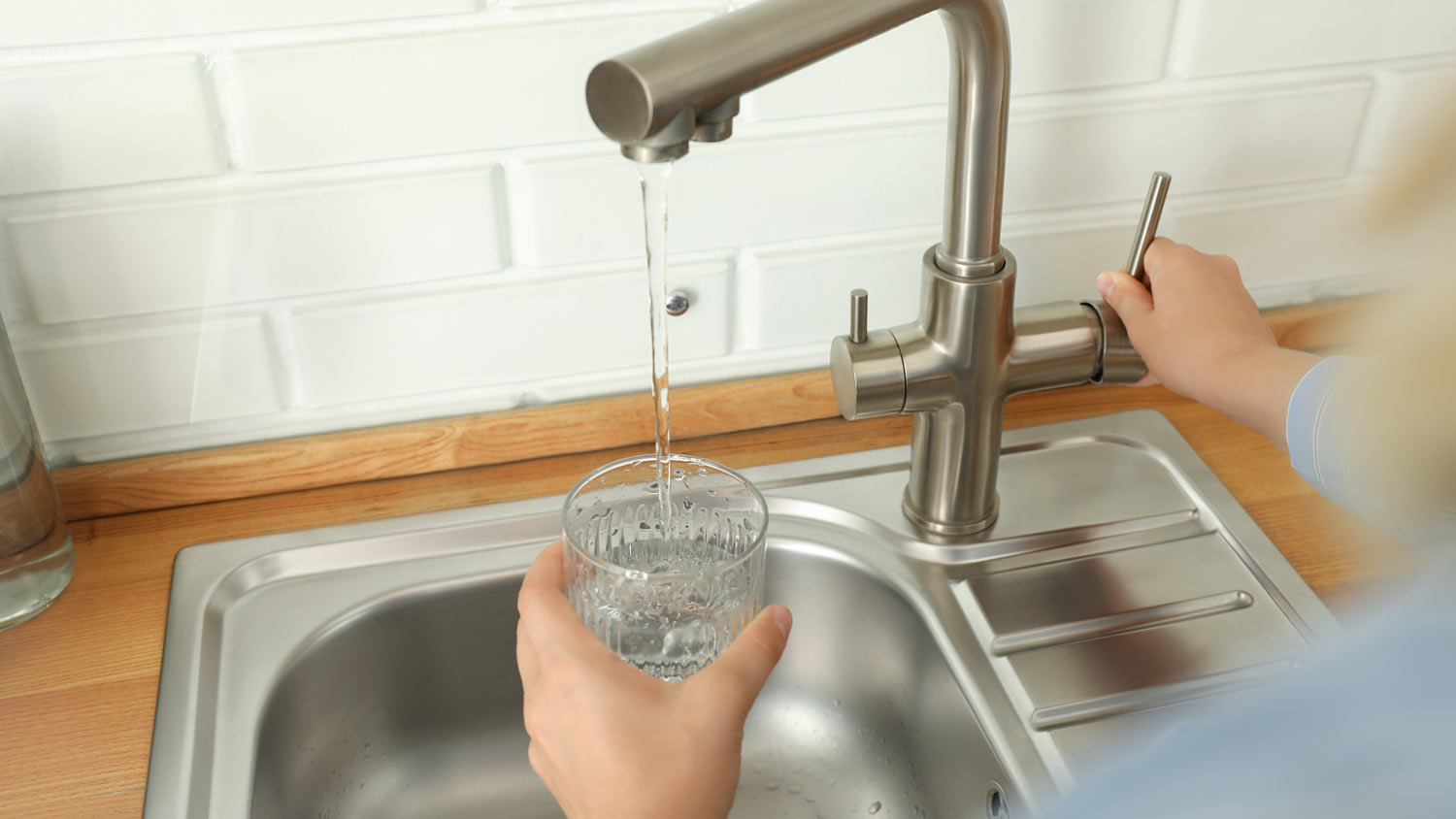
Iron sediments from rusty pipes are not likely to cause health problems. While a glass of yellow-hued water is off-putting, it is generally safe to drink yellow water in the short term. But you certainly want to address this problem. In the meantime, switching to bottled water until the yellow water issue is resolved is a good idea. 

Professional lead removal involves identifying and safely removing or encapsulating lead-based paints and materials, using specialized equipment, and following strict safety procedures to minimize exposure and contamination.

Some causes of brown well water—like excess tannins or dissolved iron—don’t pose a health risk. In other cases, harmful bacteria might be the culprit. If your well water has suddenly turned brown, it’s a good idea to use a home water test kit to get a better sense of what’s going on with your water. Consider calling a professional for an expert opinion before drinking the water and hoping for the best.

According to the Environmental Protection Agency (EPA), hazardous waste is generally classified into four main categories:

1. Characteristic Wastes: These exhibit at least one of four hazardous traits: ignitability (flammable, like gasoline), corrosivity (can rust or decompose materials, like car batteries), reactivity (unstable and can explode, like aerosol cans), or toxicity (harmful when ingested, like lead-based paint).

2. Listed Wastes: These are specific wastes from manufacturing and industrial processes that the EPA has officially designated as hazardous. They include byproducts from processes that use solvents, pesticides, and other chemicals.

3. Universal Wastes: These are commonly generated hazardous items that are subject to streamlined regulations. Examples include batteries, pesticides, mercury-containing equipment (e.g., bulbs), and some lamps.

4. Mixed Wastes: This category includes waste that contains both hazardous and radioactive components, making it subject to regulation by both the EPA and the Nuclear Regulatory Commission.

Lead testing in residential properties involves collecting samples from paint, dust, soil, or plumbing and analyzing them in certified laboratories to accurately identify lead levels.

The Columbia, CT homeowners’ guide to lead testing and removal services

From average costs to expert advice, get all the answers you need to get your job done.