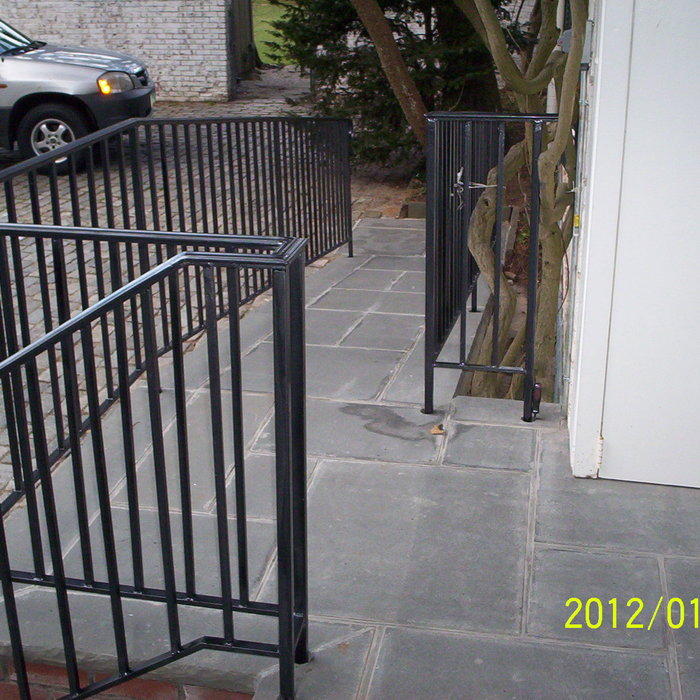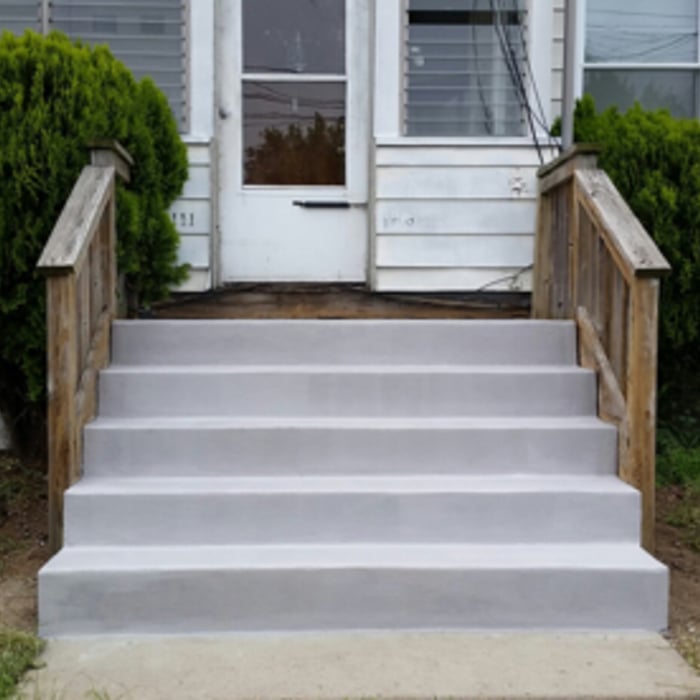




"Great experienceâ he was reliable and communicated when we would see him, when railing would be ready and installed. Fair price and the railing is sturdy, well-installed and very hood looking. Happy to recommend Duroâ s work!"
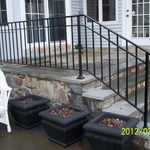
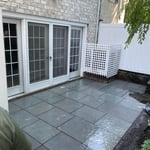
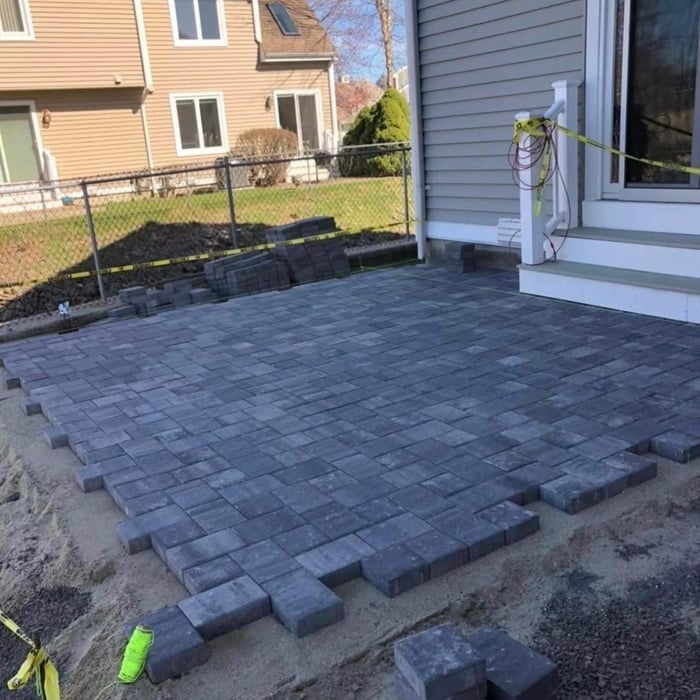
"They were very knowledgeable! They suggested a different type of stone from my selection. And it worked and looks much better than my choice! They are professional and price conscience! I would highly recommend Abiâ s Masonry! They did a Terrific Job!!"
"Elvin did a fantastic job. He was prompt with his appointment. Pleasant. He matched the original fixture though he did not have to. His excellent work made the repaired fixture better than new."
"Nick was great not alot of work to do I thought in lieu of the cost but everyone was close in cost but his customer service was worth every penny in fact we've talked about Doing a couple other projects as well I would hire him again in a heartbeat he's very polite,respectful and honest absolutely great .thank you Nick I look forward to our next project"
"Vincent done an awesome job on re leveling my concrete sill wall in my garage. On budget on time and very professional. Would recommend him and his services for anyone."
Industrial Metalworks proudly serves its customers with integrity, professionalism and attention to the details that matter most to you.\nGive us a call, visit our profile page or book us instantly today!
Cutting round ductwork requires precision and the right tools. A duct cutter, specifically designed for circular ducts, is ideal. First, mark the cutting line on the duct using a measuring tape and pencil. Then, position the duct cutter's blade on the marked line. Apply steady pressure, rotating the cutter around the duct. The sharp blade creates a clean, precise cut. Alternatively, a reciprocating saw with a metal-cutting blade can be used for larger round ducts. Ensure the duct is securely held in place while making the cut to prevent slips and maintain accuracy.
Yes, you can use a saw to cut metal pipes. The best saw to use is a reciprocating saw, but even a fine-tooth hacksaw can get the job done. No matter which saw you use to cut metal pipes, wear protective gear, like work gloves, safety goggles, and ear plugs. Apply a firm, steady pressure to the tool, and always ensure the pipes are secured so they don't move while you make the cuts.
Yes, but you’ll need reliable steel-cutting tools and safety gear to get started. Shipping containers are typically around ¾ inch thick, so it’s entirely possible to cut through them, but experience and the right equipment are very important. When possible, try to get a container as close to the size you want it as possible.
It will likely take an experienced pro less than an hour to install a ground rod, which is another reason why letting them handle the job is such a good idea. Safety concerns aside, it would likely take you much longer to install a ground rod if you decided to take this one as a DIY job.
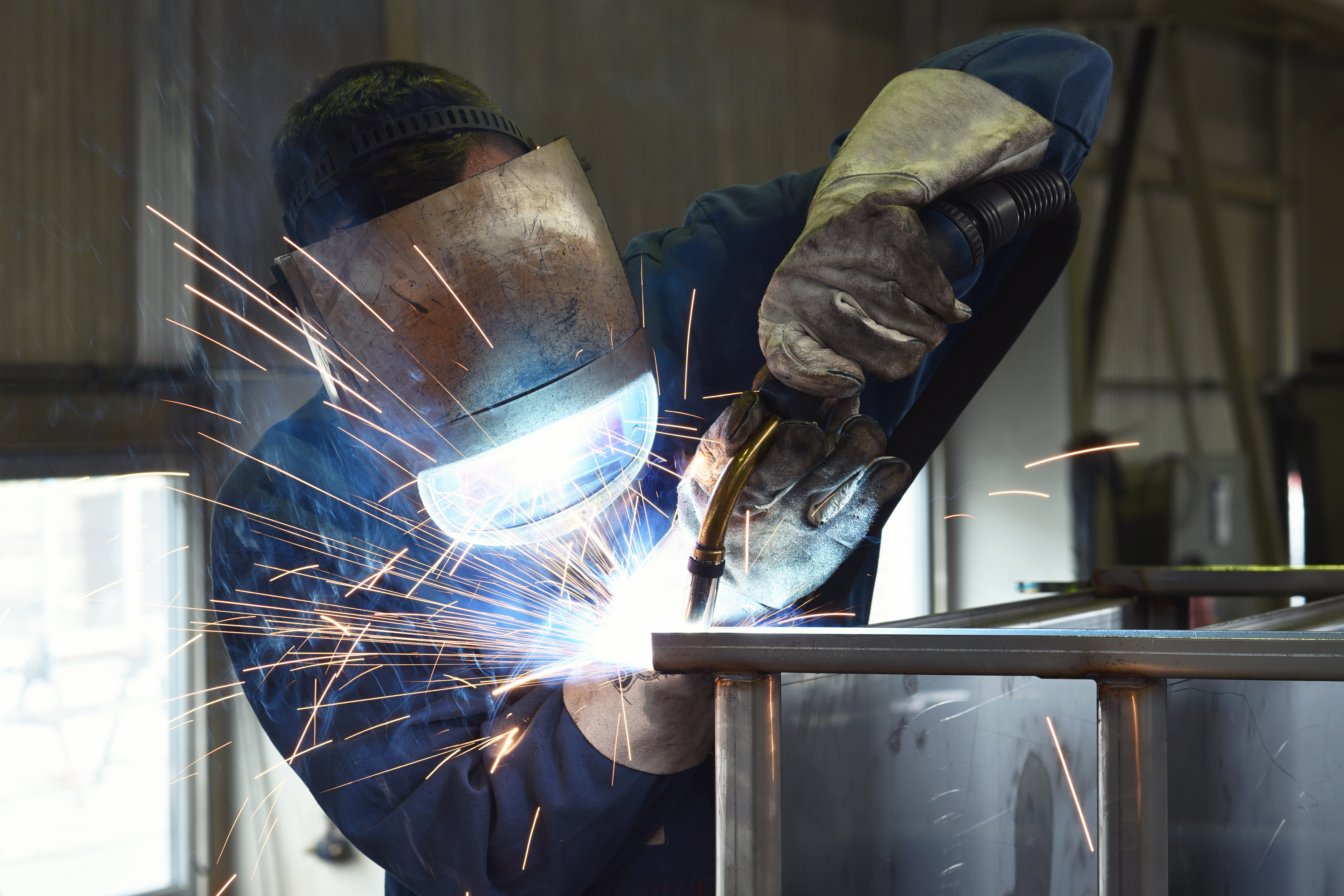
Some welding projects, such as repairing pipes or fences, require travel, whereas others, like furniture repair, do not necessarily require the welder to come to you. Travel and overhead factor into the overall cost of your welding project.
Some of the most common welding projects include:
Metal furniture repair: $35–$100
Pipe repair: $200–$1,000
Small gates: $550–$750
Fencing: $1,200–$1,800
Fabricated sheet metal welding: $750–$2,500
The Cheshire, CT homeowners’ guide to welding services
From average costs to expert advice, get all the answers you need to get your job done.
When you need help with a metal project and don’t have the expertise or the time, call an expert welder for your project. Here’s how to vet and hire a welder.