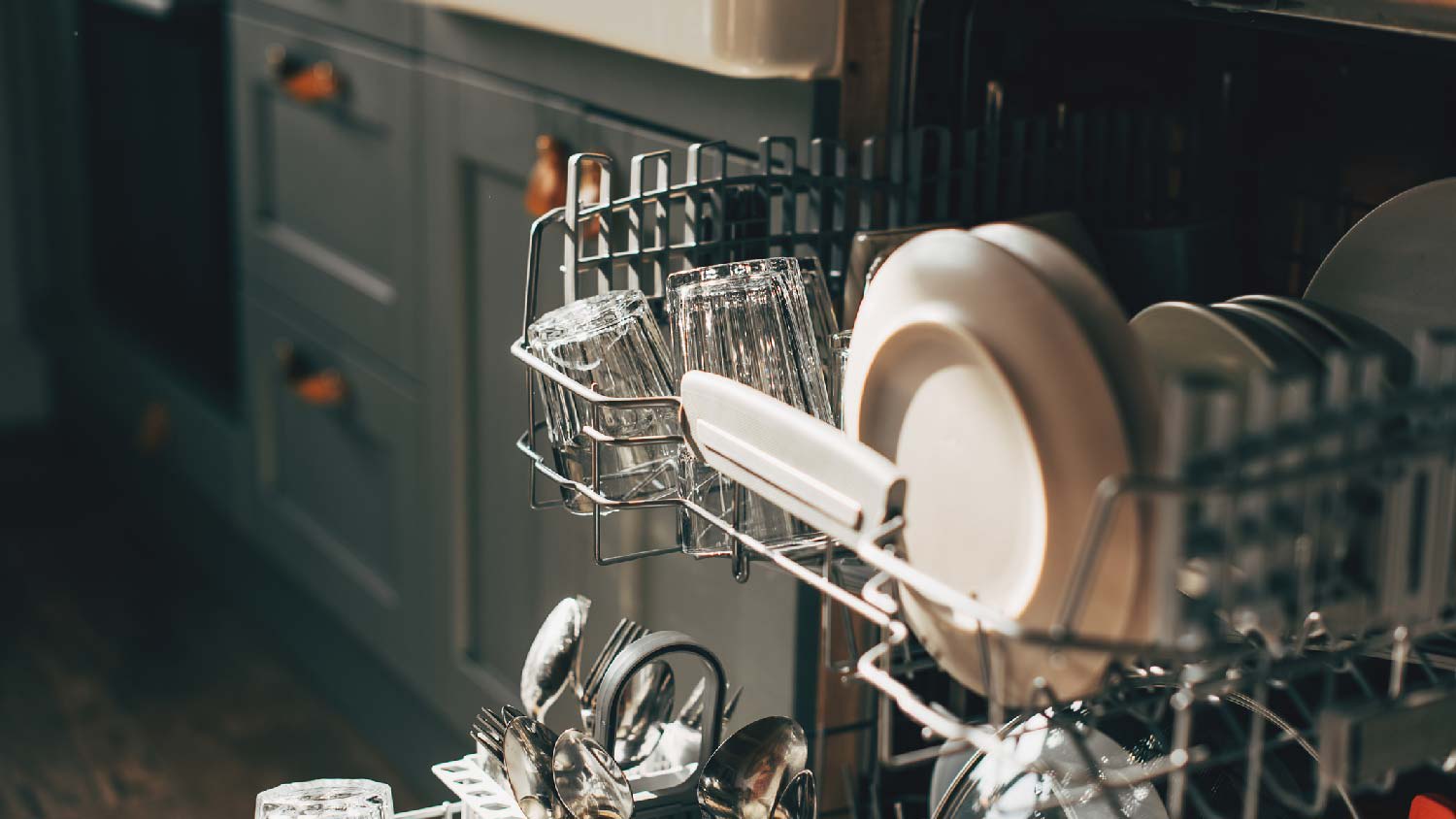
Dishwasher Installation questions, answered by experts
Regular use helps keep interior dishwasher parts functioning properly and the interior clean. Try to run your machine at least once every two weeks as part of your dishwasher cleaning schedule.
Every six months, running two cups of white vinegar through your dishwasher (place the vinegar where you put detergent) will help deep clean the unit to boost performance.
No, you do not need a garbage disposal to have a dishwasher. A dishwasher will work without one, and while it's rare to see a home with a dishwasher that doesn't have a disposal, it is possible. The two appliances pair well and are often installed together because a disposal simplifies meal cleanup.
However, your dishwasher should not be used as a replacement for a garbage disposal. Subjecting it to continuous food leftovers can lead to major clogs. If you choose not to install a garbage disposal, you should thoroughly rinse your plates or scrape excess food into the trash or a compost pile before loading them into the dishwasher to prevent plumbing issues.
The correct water temperature for your dishwasher depends on the washing phase. When water enters the machine, it should be around 120 degrees Fahrenheit, but no hotter than 150 degrees. During the wash cycle, the machine will heat the water to between 130 and 140 degrees. If your dishwasher has a sanitizing cycle, the water can reach a temperature of up to 180 degrees.
Maintenance includes regular filter cleaning, checking water connections, and ensuring that the unit operates at optimal efficiency without blockages.
Descaling a dishwasher is important if you want to keep it working as efficiently and effectively as possible. Limescale builds up quickly in dishwashers that are used regularly, especially in areas with hard tap water. You need to descale your dishwasher regularly to ensure that your dishes come out clean.
The Ansonia, CT homeowners’ guide to dishwasher installation services
From average costs to expert advice, get all the answers you need to get your job done.

 4.6
4.6  292
292