There are a few ways to keep pesky bugs away from your garden. One option you have is to plant flowers so beneficial insects like ladybugs can control pests for you. A similar method is companion planting, which means you’ll grow vegetables that’ll discourage pests, like garlic, onions, and basil. The best pest prevention method will depend on the bugs you have issues with and the plants in your garden.
The brown recluse has numerous predators in the wild (or close to your home). They are a valuable part of the ecosystem, too. Their predators often include birds, praying mantis, crickets, chickens, spider wasps, and more. However, the brown recluse spider is a master at hiding, making it much more difficult for predators to hunt them.
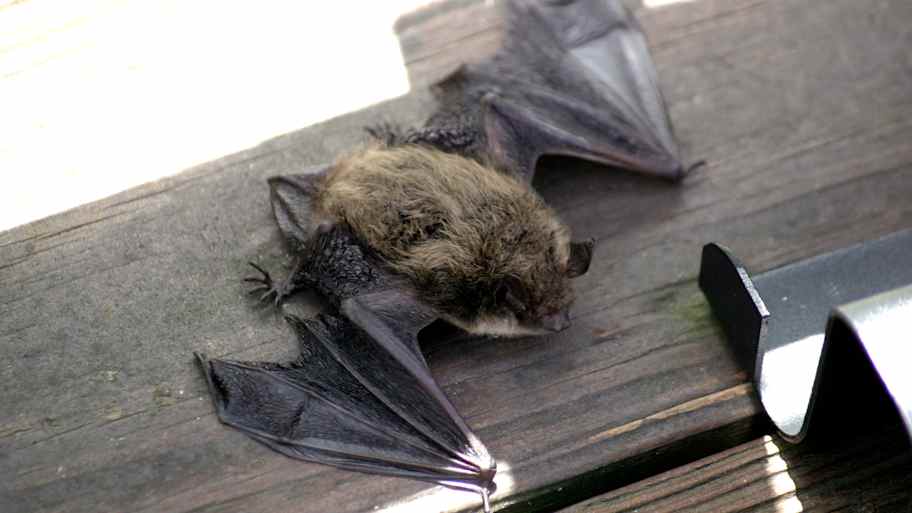
No, mothballs do not keep bats away. Not only are mothballs completely ineffective when repelling or removing bats, but using them could be illegal, depending on where you live. Remember, bats are federally protected, and it's illegal to use chemicals during the removal process, and mothballs tend to fall into this category.
Regular cleaning, proper food storage, sealing entry points, and professional inspections help prevent infestations.
Numerous predators kill hornets, including frogs, birds, lizards, bats, spiders, and hedgehogs. Some larger predators, including rats, skunks, and racoons, will occasionally attack a hornet nest in order to eat the larvae inside. These natural predators typically don’t eat enough hornets to make them an effective form of hornet control.
The Walsh, CO homeowners’ guide to bird control services
From average costs to expert advice, get all the answers you need to get your job done.
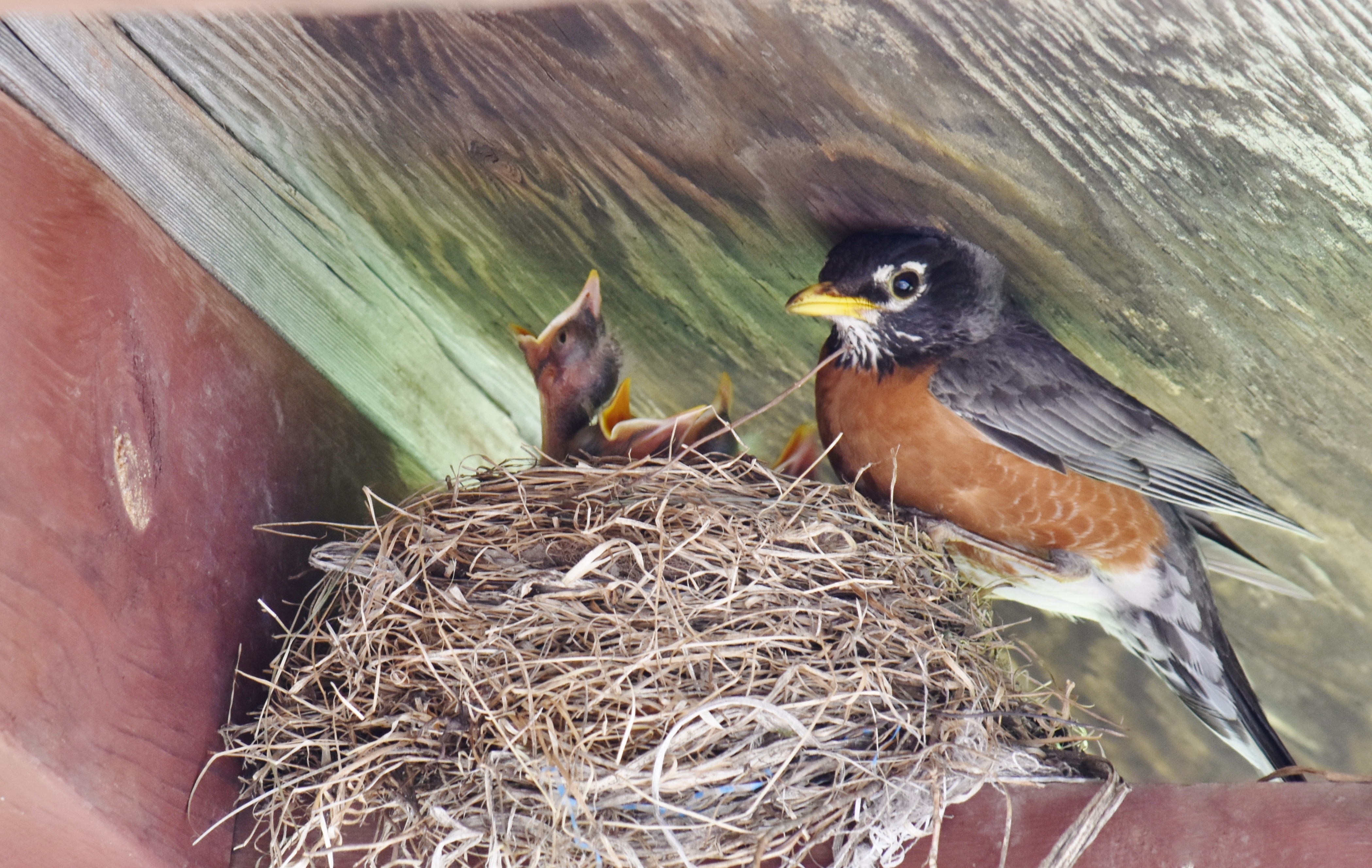
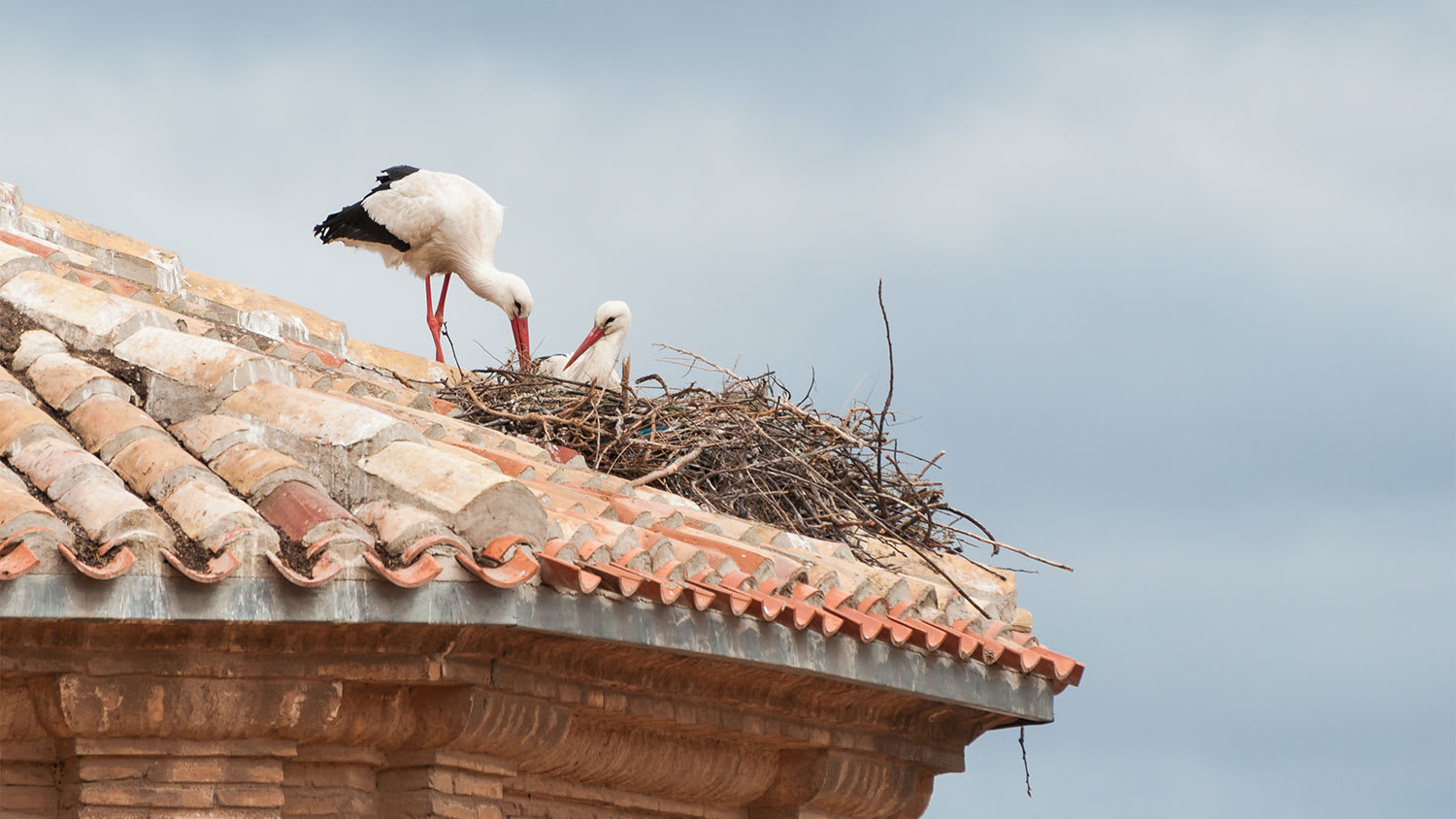
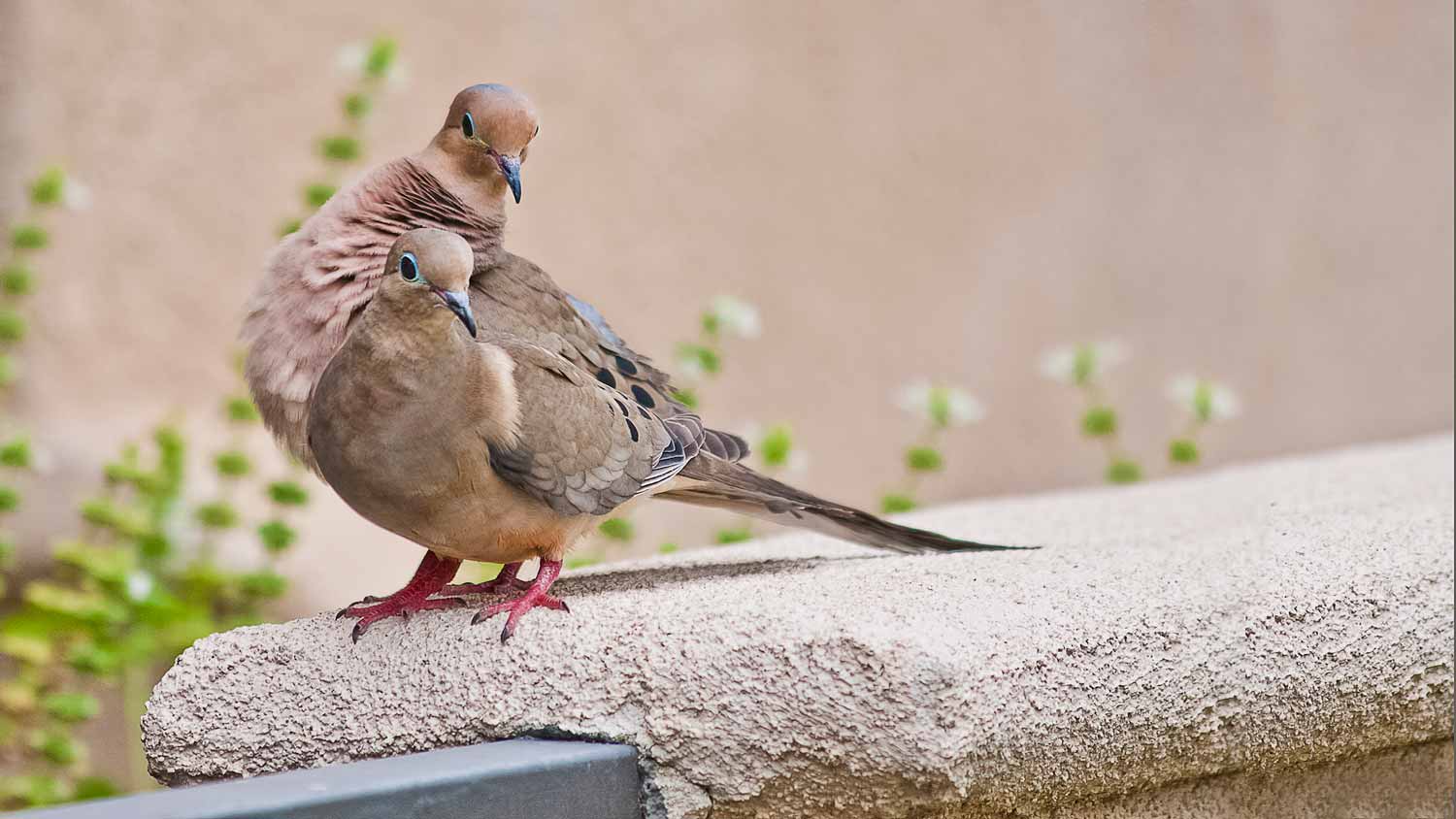
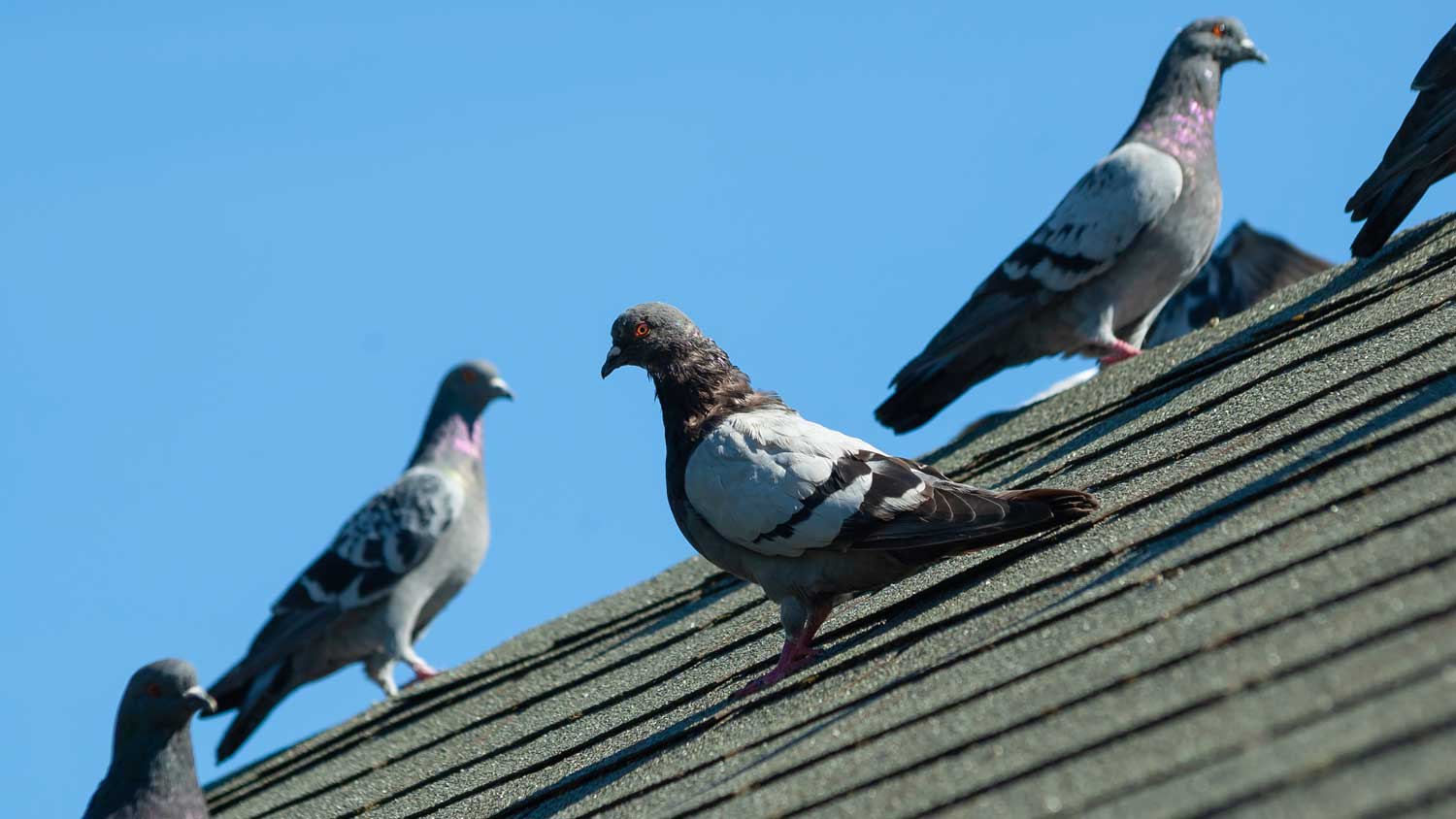
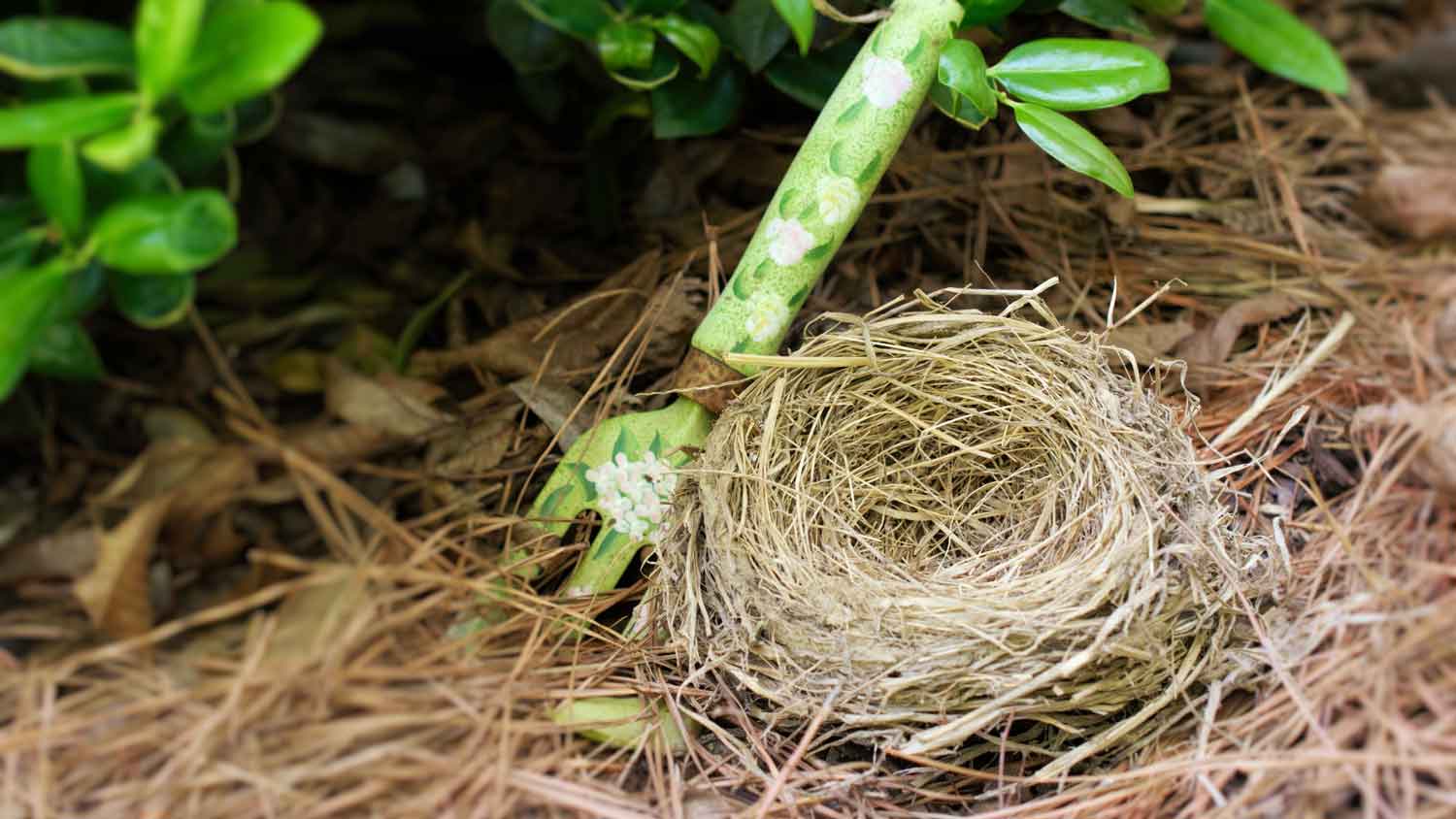
Sometimes birds nest in unwelcome places. Find out how much bird nest removal will cost based on factors like location, bird species, and preventative measures.