"????? I highly recommend Western Slope Facility Services. Michael and his team were professional, reliable, and completed the work exactly as promised. Communication was excellent throughout the project, pricing was fair, and the quality of workmanship exceeded expectations. They handled everything efficiently and left the property clean when the job was finished. If you're looking for a dependable contractor for repairs, maintenance, cleaning, remodeling, or property improvement projects, Western Slope Facility Services is a great choice."
Keeping your pool cover clean is a good way to keep smaller animals from running across it or using it as shelter. Small animals may use leaf debris on top of the cover to hide. Cleaning also removes nuts that may fall from a nearby tree that could otherwise be a tempting snack for some animals, like squirrels.
Pest control timelines depend on what services are being provided, size and type of infestation, and size of your home. Some inspections can take an hour or more, while preventative treatments only take 30 minutes to complete. Basic spaying for a problem like roaches or termites can take about an hour for small homes, but much longer for large properties and infestations. Consult your pest control pro for a time estimate based on your situation.
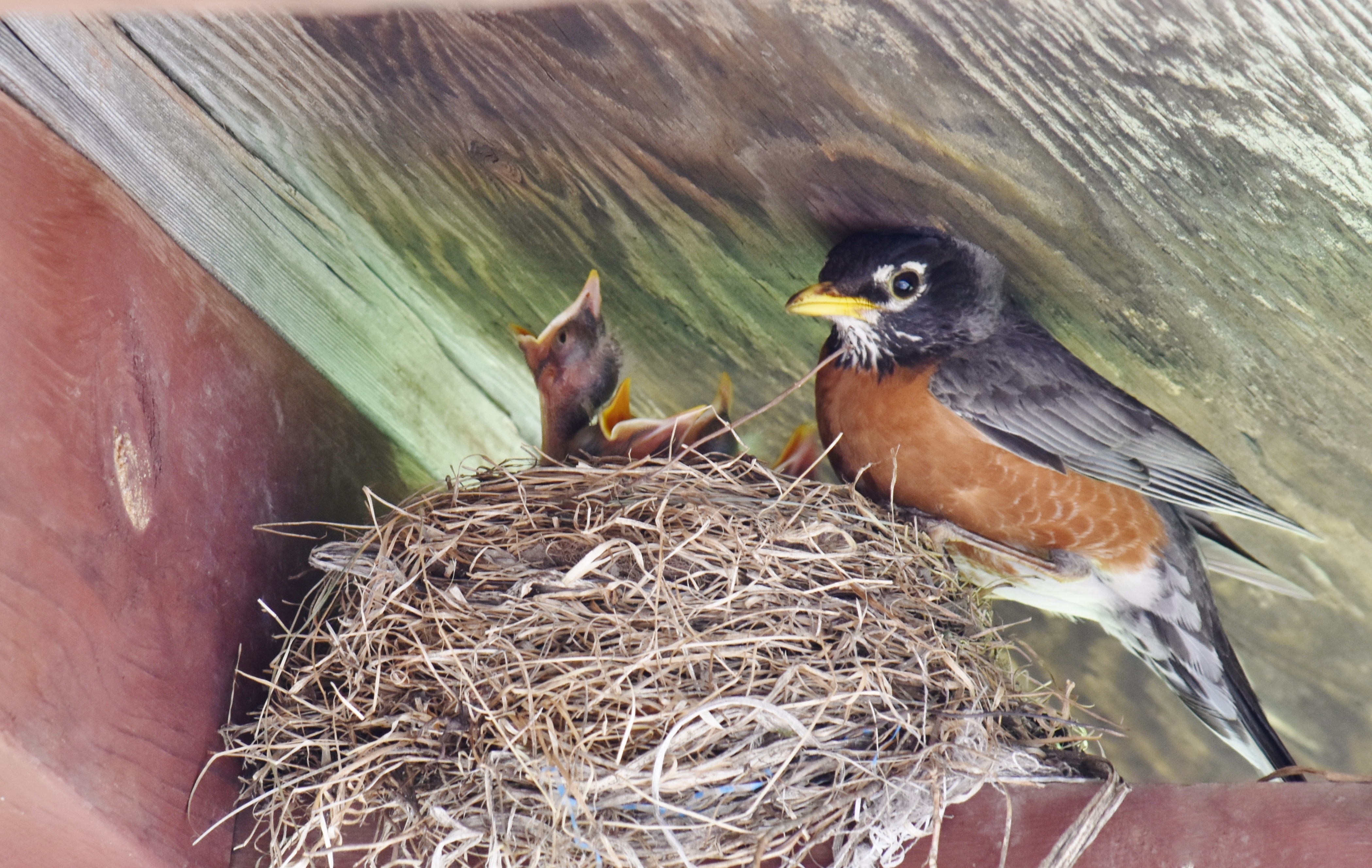
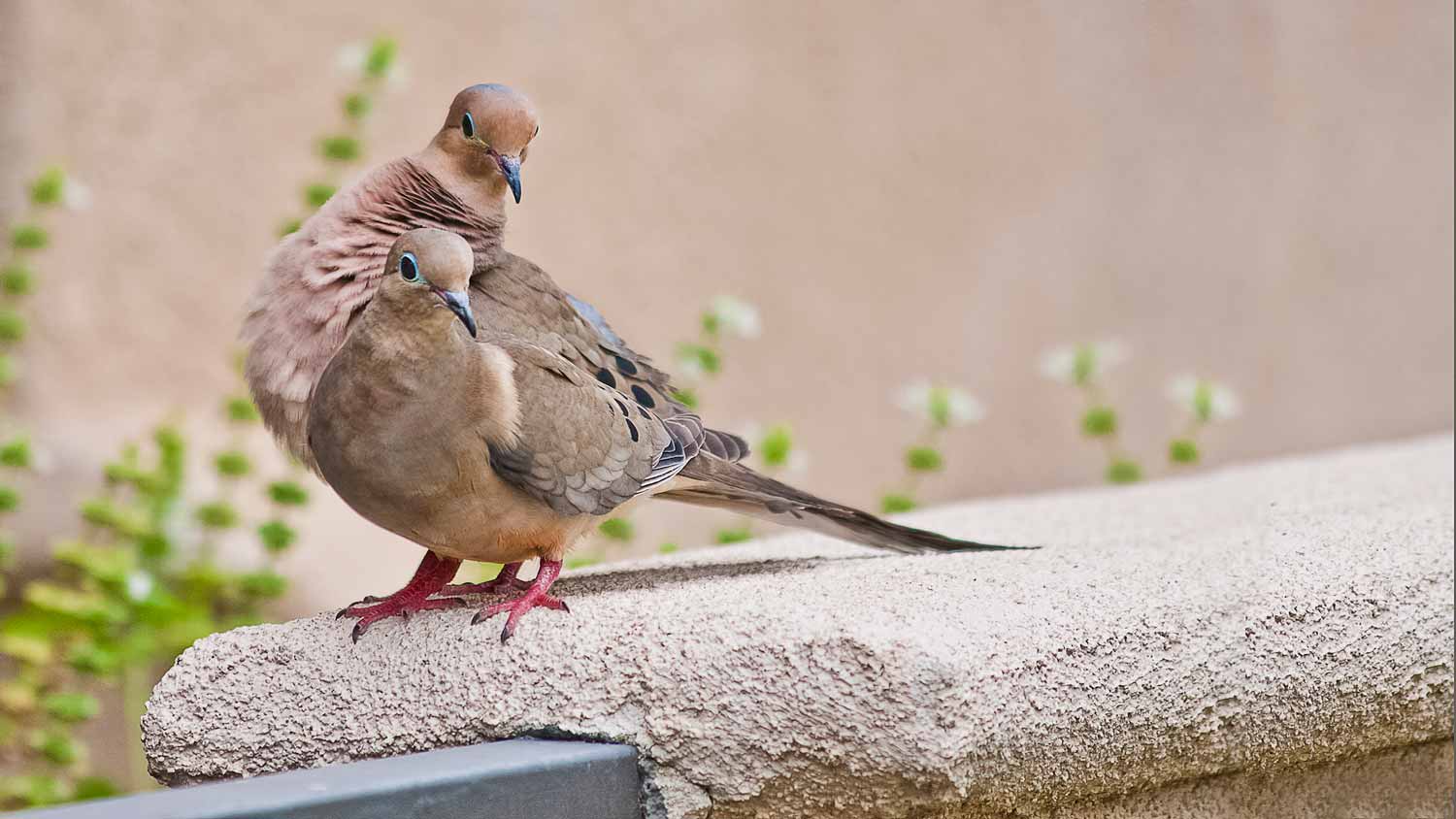
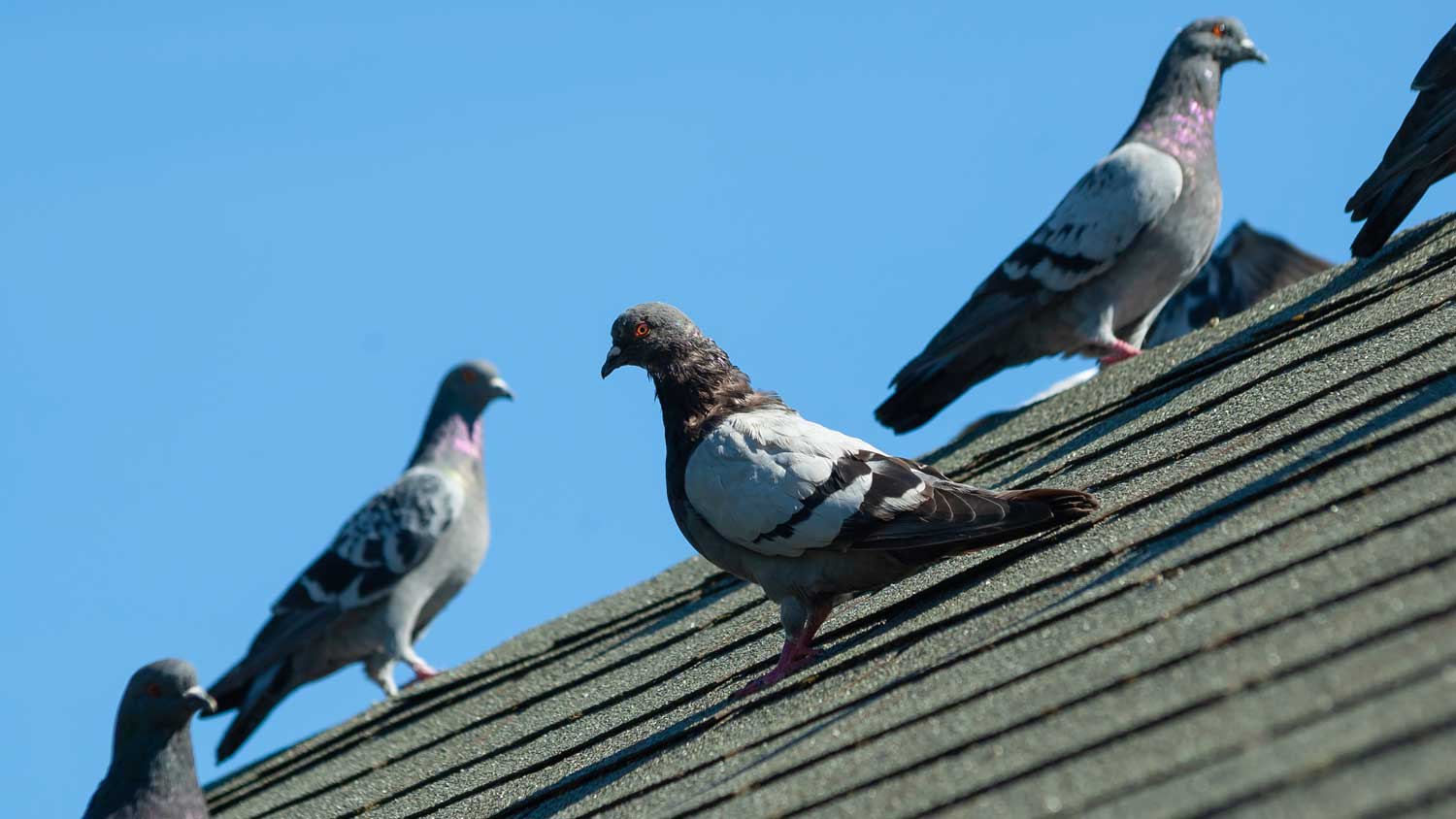
It's advisable to avoid using harmful methods to eliminate birds. Poisoning birds is inhumane and can have unintended ecological consequences, affecting other wildlife and pets. Similarly, using firearms or other lethal means poses safety risks and could be illegal in many areas. Sticky substances like adhesives can cause birds to become trapped and injured. Lastly, playing excessively loud or distressing noises can stress birds and humans. Focusing on humane and environmentally responsible strategies is essential when dealing with bird issues.
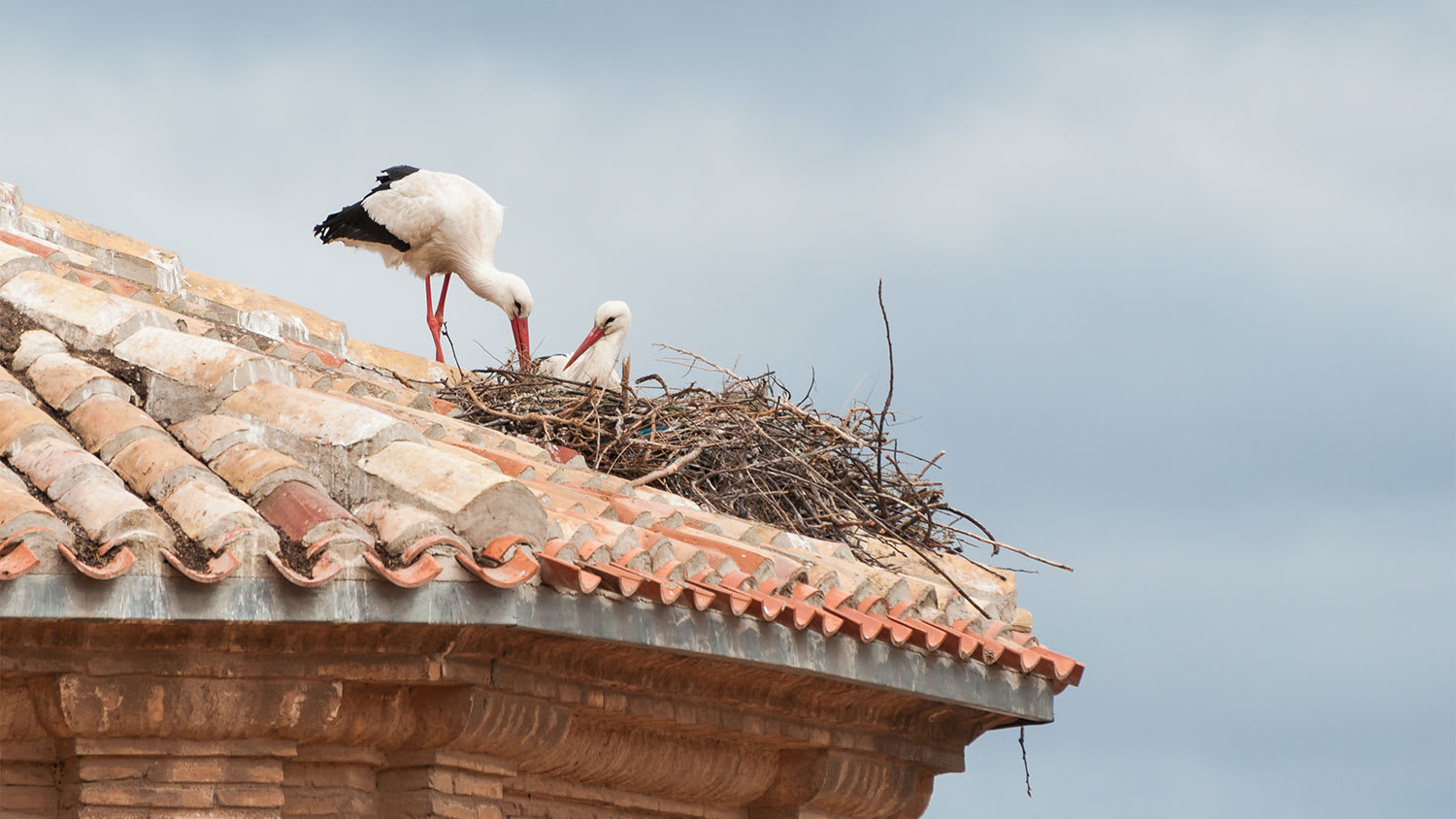
Signs include visible nests, droppings, frequent loud noises, or structural damage caused by these animals, indicating a need for pest control intervention.
Numerous predators kill hornets, including frogs, birds, lizards, bats, spiders, and hedgehogs. Some larger predators, including rats, skunks, and racoons, will occasionally attack a hornet nest in order to eat the larvae inside. These natural predators typically don’t eat enough hornets to make them an effective form of hornet control.
The Holly, CO homeowners’ guide to bird control services
From average costs to expert advice, get all the answers you need to get your job done.
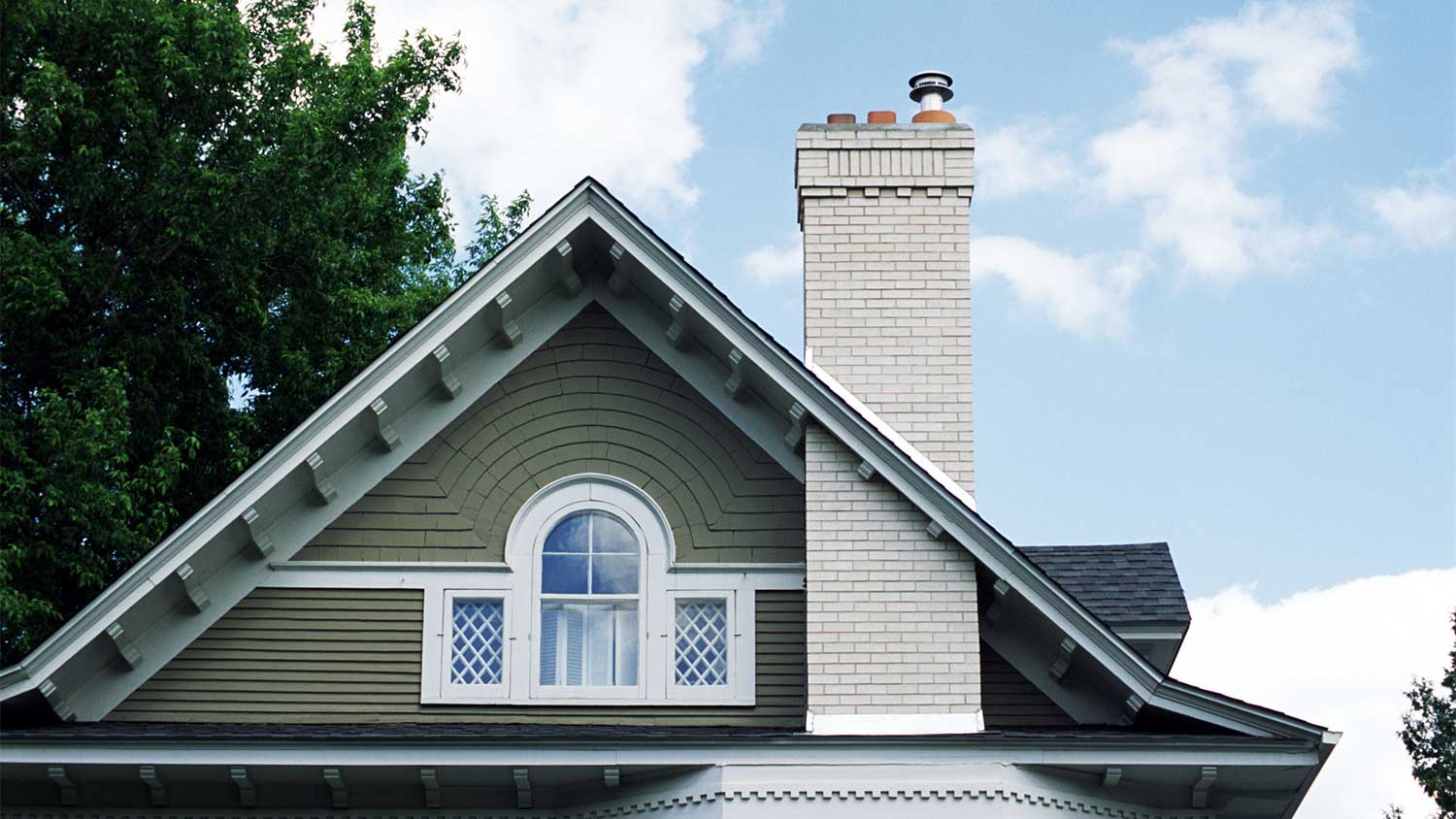
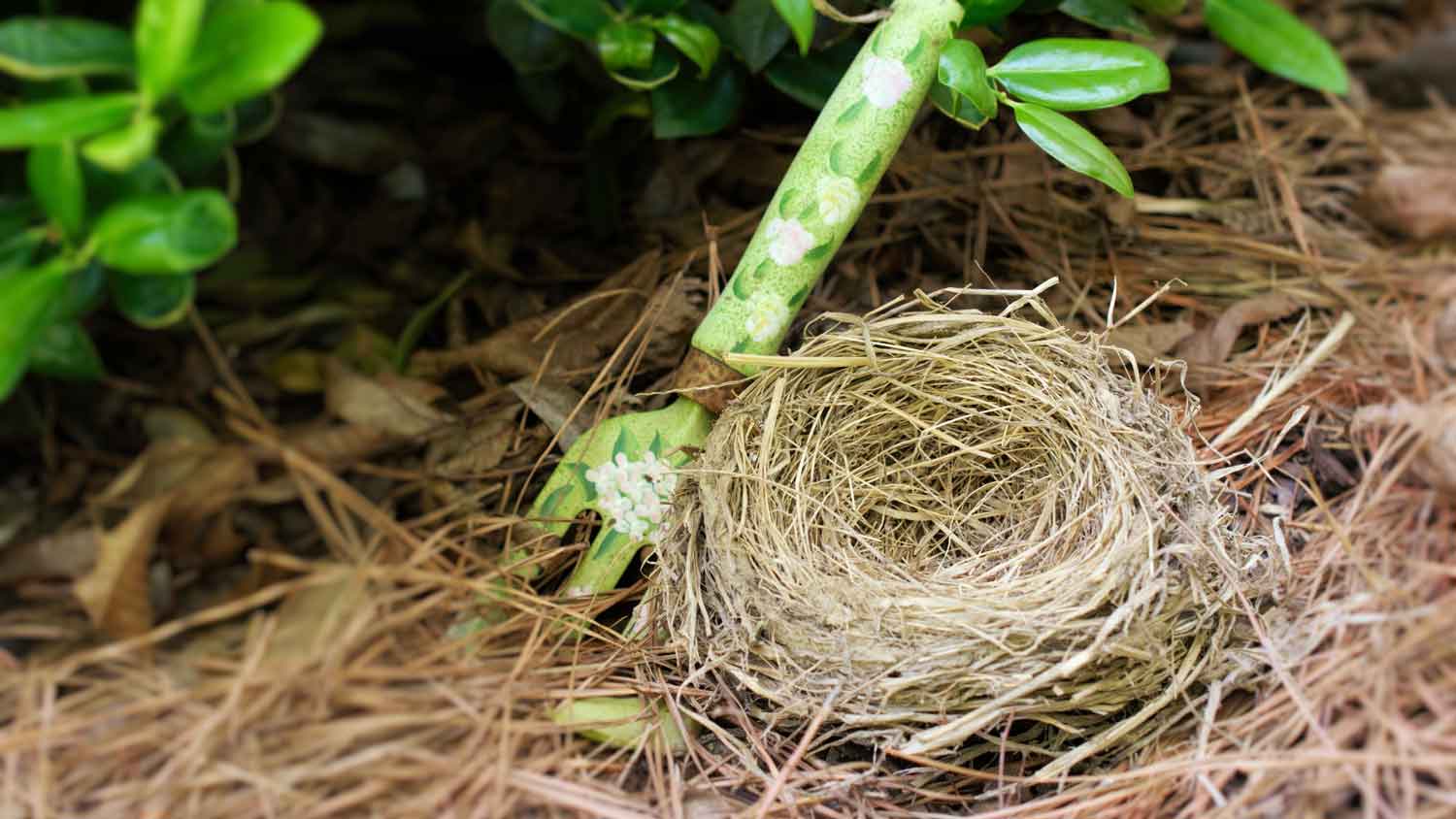
Sometimes birds nest in unwelcome places. Find out how much bird nest removal will cost based on factors like location, bird species, and preventative measures.