






Top-rated bird control service pros.

Get matched with top bird control service pros in Trinidad, CO

Enter your zip and get matched with up to 5 pros

Need a pro for your bird control service project in Trinidad, CO?

Select your specific project to find the pro for you.

Find Bird control service pros in Trinidad

Bird Control questions, answered by experts

It's advisable to avoid using harmful methods to eliminate birds. Poisoning birds is inhumane and can have unintended ecological consequences, affecting other wildlife and pets. Similarly, using firearms or other lethal means poses safety risks and could be illegal in many areas. Sticky substances like adhesives can cause birds to become trapped and injured. Lastly, playing excessively loud or distressing noises can stress birds and humans. Focusing on humane and environmentally responsible strategies is essential when dealing with bird issues.

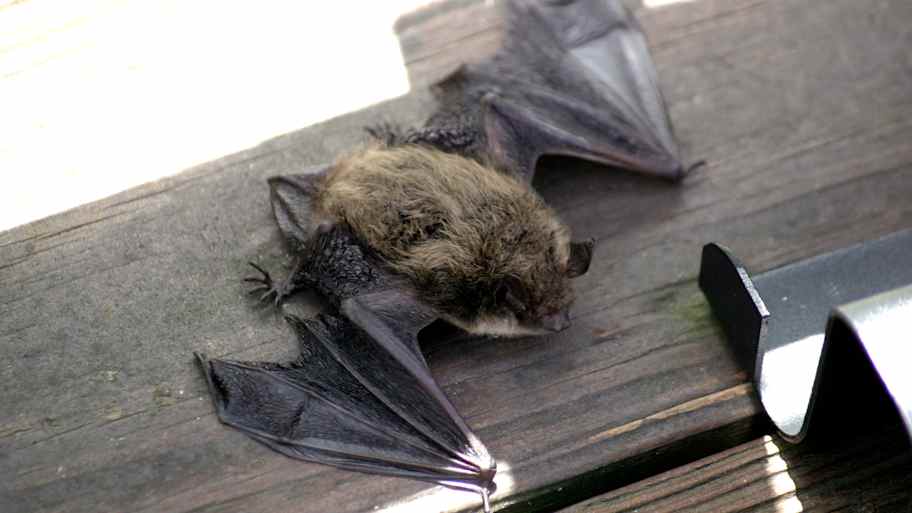
Yes, it’s possible for bats in your attic to find a way into your living spaces. Until you can properly remove the bats, the best course of action is to keep the attic doors closed and any holes sealed. Evidence suggests bats follow the airflow in your home, so they may try escaping from the attic to other parts of the house.

Depending on the size of your home and accessibility, expect professional pest inspections to take between 30 and 60 minutes. If you have a large property or limited accessibility, pest inspections may take longer. 

An owl's worst enemy in the wild is often other raptors and environmental factors. Among the avian threats, larger owls or other birds of prey can pose a danger, engaging in territorial disputes or competing for food resources. Terrestrial predators like foxes, raccoons, and larger mammals may target owl nests or young fledglings. Environmental factors like severe weather conditions, habitat loss, and food availability changes can also significantly impact owl populations.

Numerous predators kill hornets, including frogs, birds, lizards, bats, spiders, and hedgehogs. Some larger predators, including rats, skunks, and racoons, will occasionally attack a hornet nest in order to eat the larvae inside. These natural predators typically don’t eat enough hornets to make them an effective form of hornet control. 

The Trinidad, CO homeowners’ guide to bird control services

From average costs to expert advice, get all the answers you need to get your job done.