







"Dan tackled my long slow draining kitchen sink. It took a number of snake runs but he got rid of the clog and reconfigured the dishwasher drain to properly run through the disposal. He really saved my day. I really appreciate all he did to fix my problem and go above and beyond the call. Integrity will be my next plumbing call!"
"Quickly took care of a simple issue that has taken months for other plumbers to do. Nice staff, clean, and picked up when they were finished in about an hour"
"Al and James completed my annual maintenance yesterday and they were very professional. They fixed some plumbing issues on my sump pump and fortified the sump pump outlet piping to prevent possible further issues. They also took special care to replace and improved upon the original floor linear over the sump pump and left the crawl space spotless."
"We just needed some quotes and they went above and beyond to answer questions and explain their service programs to reduce costs on repair projects in the future. Will definitely be back when it’s time to buy/install."
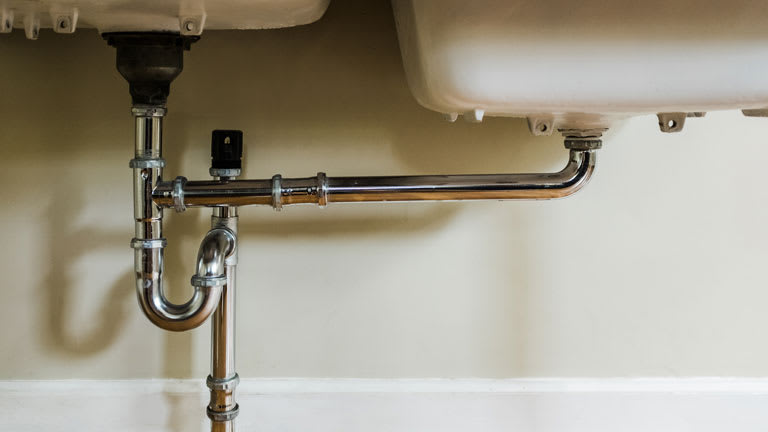
You’ll only need to replace your sink’s pipes when you start to notice signs of wear like corrosion or leaking. Most pipes last somewhere between 20 and 100 years, depending on the material. Copper and cast iron can last up to 100 years. Galvanized steel and brass generally have a 50-year lifespan. PVC pipes last 25 to 40 years.
Most faucets come with a rubber or plastic gasket that prevents leaks—but that’s not always the case. If your faucet doesn’t come with a gasket or it’s leaking, use a caulk gun to seal the gaps and prevent water damage.
Yes, you can fix pipe threads. In fact, the process is the same as cutting new ones. You’ll need to use a pipe threader tool with the proper size die head for the pipe. Turning the threader over the damaged threads will clean up any damaged or worn-out threads in the pipe. If the pipe threads are too damaged, this process may not work, and you’ll need to replace the pipe.
Start by inspecting visible pipes for signs of corrosion, moisture, or discoloration, which can indicate a leak. You should also listen for sounds like hissing or dripping, which may point you toward a leak. Moisture meters and infrared cameras can also help you identify areas of increased moisture around your home, which can also signify a leak.


A plumber or certified gas technician is responsible for capping gas lines. Gas lines require expertise and understanding of safety standards to ensure it’s properly sealed. Your local regulations may also have specific requirements for capping gas lines.
The Silt, CO homeowners’ guide to plumbing services
From average costs to expert advice, get all the answers you need to get your job done.
Looking to estimate the cost of rough-in plumbing for your new home? We’ve got you covered with a guide that covers the different cost factors for this type of job.
Wondering how much it costs to reroute plumbing? We have the information you need to learn about plumbing vent pipes and cost considerations when installing them.
Need to create a residential plumbing design layout but don’t know where to start? Learn essential plumbing components to create the perfect layout for your home.
There are a few plumbing terms that everyone needs to know. Using this informative guide, you’ll learn plumbing terms like flapper and shut-off valve to help you tackle both emergencies and everyday annoyances.