

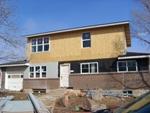
"Foundation Repair adjusted existing push piers and installed additional push piers to re-level the house due to settlement. Workers were efficient, competent, courteous, and explained the process thoroughly. Foundation Repair stood by their warranty. We only had to pay for a 5-year service plan with Foundation Repair, for the replacement of concrete (dug up to access push piers) by a third party, and will have to pay for repair to drywall and paint damaged during leveling process (which was anticipated)."
We are committed to excellence in every aspect of our business. We uphold a standard of integrity bound by fairness, honesty, and personal responsibility. Our distinction is the quality of service we bring to our customers. Accurate knowledge of our trade combined with ability is what makes us true professionals. Above all, we are watchful of our customers' interests, and make their concerns the basis of our business.\n
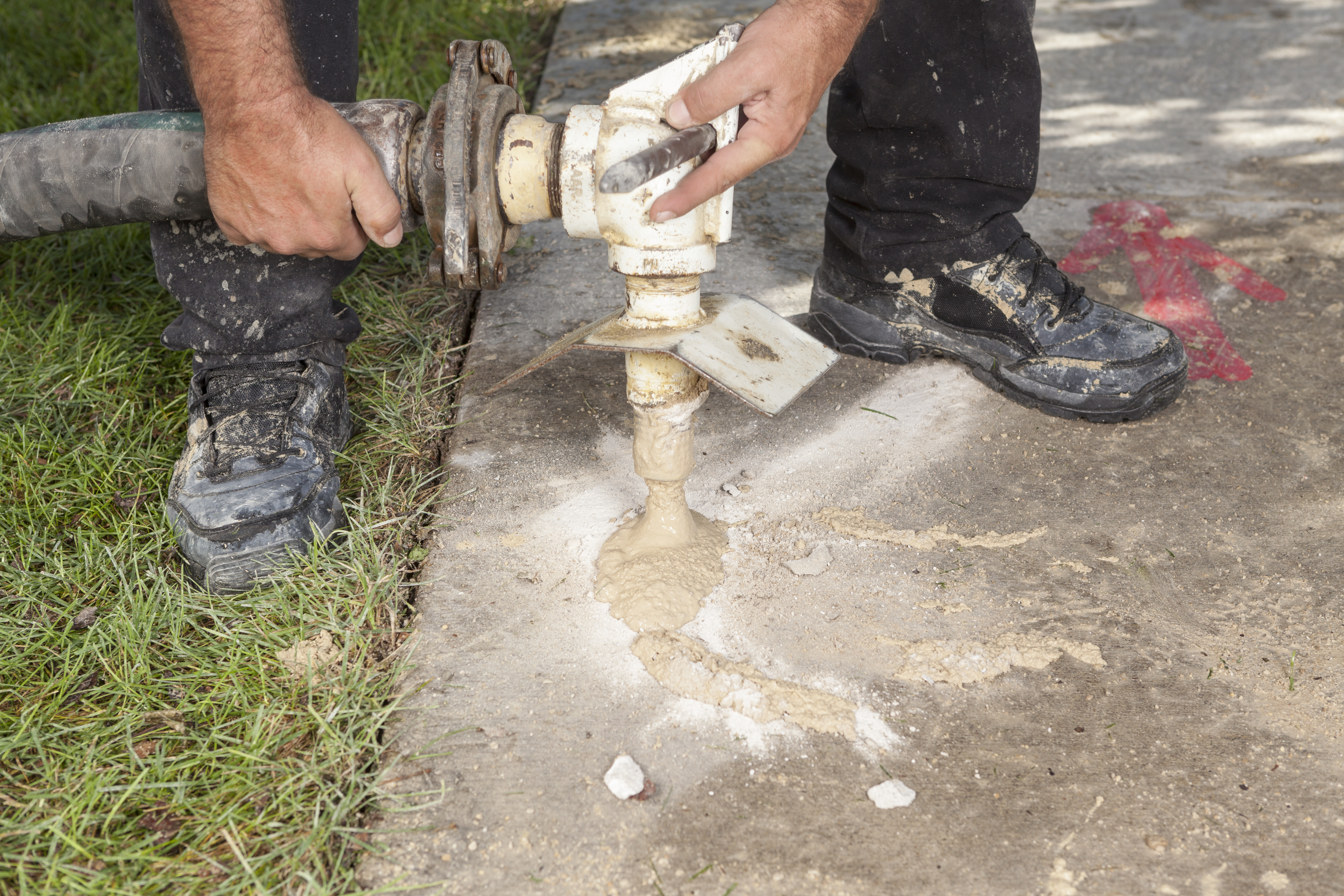
On average, a mudjacking repair lasts between five and 10 years, though it can sometimes last for well beyond a decade under ideal conditions. Its longevity depends heavily on several factors, including the condition of the underlying soil, environmental conditions like freeze/thaw cycles and erosion, and whether the root cause of the sinking, such as drainage issues, is resolved. Because it doesn't always fix the underlying problem of loose soil, mudjacking is often considered a temporary solution. Proper maintenance and evaluation can help extend its lifespan.
Concrete leveling is not typically covered by insurance. In some cases where the shifting concrete is caused by a natural disaster or storm, you may be able to file an insurance claim if your policy specifically covers those circumstances. In most cases, though, you’ll pay out-of-pocket for concrete leveling.
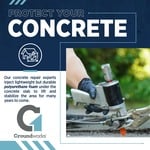
The polyurethane used for polyjacking will expand and cure in 15 to 30 minutes. After that point, your slab will be safe to walk on and even drive on in the case of a sidewalk or concrete driveway. Double-check with your concrete lifting specialist to confirm a curing timeline, as products can differ.
Generally speaking, push piers—or steel piers—are the best option for underpinning, as they reach down to solid bedrock to find support for your foundation rather than relying on soil, which could be subject to the same issues as the soil directly below your foundation. However, the best underpinning method for your home depends on your location, how far down the bedrock is, and the type of soil in your area. Helical piers are usually the best option for sandy soil or in areas where the bedrock is too deep to use steel piers.
Most houses are expected to settle over time, but foundation sinking of more than a few inches or uneven sinking of more than an inch for every 20 feet is cause for concern. Any significant or uneven sinking should be assessed by a professional to determine the cause and perform any necessary repairs.
The Rangely, CO homeowners’ guide to concrete leveling services
From average costs to expert advice, get all the answers you need to get your job done.
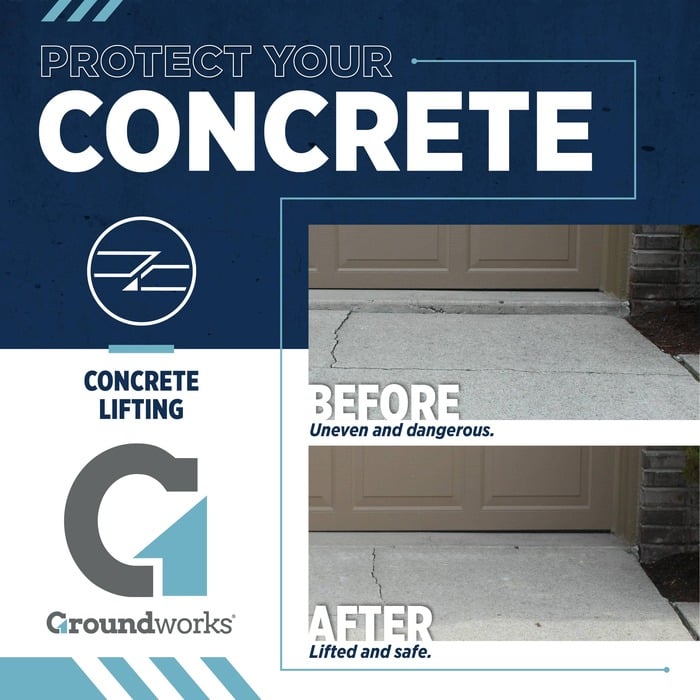
Learn about concrete leveling and how it can fix uneven surfaces, from sunken sidewalks to uneven driveways, and boost your home’s safety and curb appeal.
Sunken concrete can be a structural issue, but a professional can easily repair it. Ask these concrete injection leveling and mudjacking questions before you hire.