




Top-rated excavation pros.

Get matched with top excavation pros in Pandora, CO

Enter your zip and get matched with up to 5 pros

Need a pro for your excavation project in Pandora, CO?

Select your specific project to find the pro for you.

Find Excavation pros in Pandora

Avatar for J&R Construction
J&R Construction
4.7(
6
)
Excavation - Major Grading or ReslopingExcavation - Major Grading or Resloping - For BusinessLandscape - Minor Grading or Resloping

Serving Pandora, CO and surrounding areas

Approved

Super Service Award Winner

In business since 2024

Free estimates

Small jobs welcome

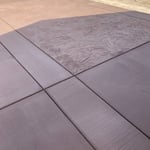
"We needed a walk way widened. These guys took out the old regraded and poured the new walk in. Got it done very quick and it looks great. They cleaned up very nicely and raked the yard out when they were finished. I will have them back for more work in the future."
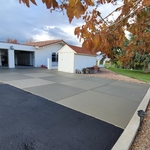
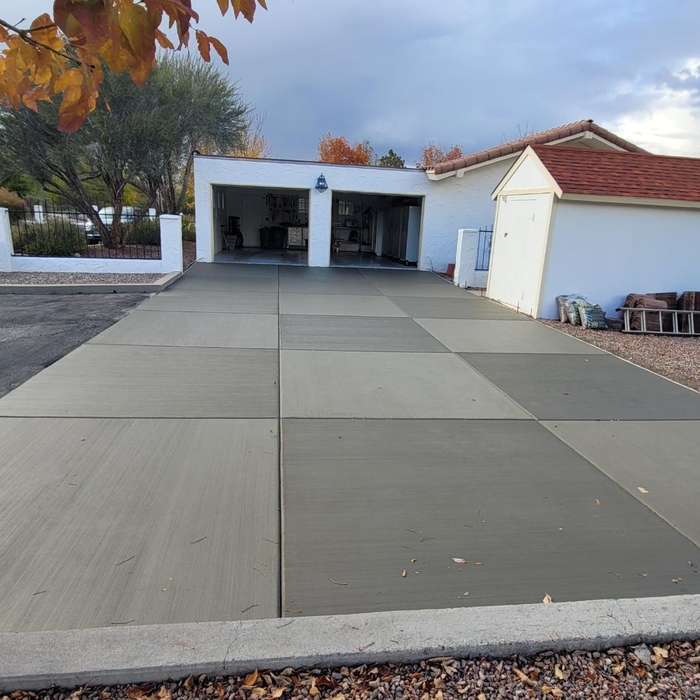
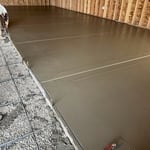
Concrete Flat work
Broom And Stamped
Garage broom finish
Response time9 hrs
2 neighbors recently requested a quote
Mountain Ridge Enterprise
5.0(
1
)
Landscape - Minor Grading or ReslopingBuilding Site - Preparation and ClearingBuilding Site - Preparation and Clearing - For Business+2 more

Serving Pandora, CO and surrounding areas

Approved

In business since 2019

Free estimates

Credit card accepted

"The entire crew was amazing! Thank you guys for going above and beyond for us. We highly recommend you to anyone needing concrete work or other house work done. We love our new shop."
1 neighbors recently requested a quote
Showing 1-10 of 45
Excavating questions, answered by experts

In the United States, a depth of 36 inches (three feet) for underground water lines is the accepted industry standard. This depth varies from location to location based on local conditions. In areas with colder winters, they may be buried deeper to prevent frozen well water pipes : This is usually at least six inches below the frost level. The International Plumbing Code calls for a minimum of 12 inches below grade.

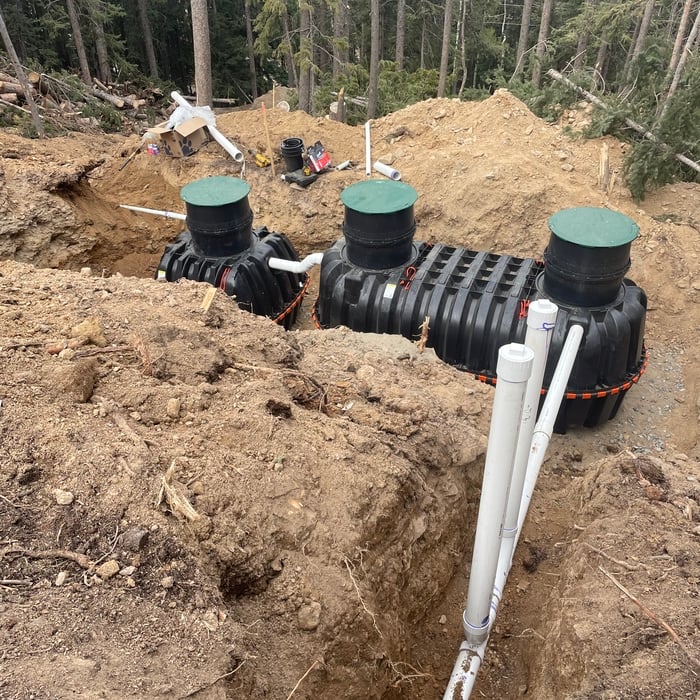
There is no standard depth for burying a septic tank; they are typically buried anywhere from 4 inches to 4 feet underground. The final depth depends on several factors, including the depth of your main sewer line, the height of the bedrock, soil type, local regulations, and the property's landscape. If you plan to grow grass or plants over the tank, a depth of at least 4 to 6 inches is recommended. Deeper tanks can be more difficult to locate, but a septic professional can help find it for you.

The digging depth will depend on the size of the trencher you use. Even smaller units can dig up to 4 feet deep, which is plenty for a DIY job. However, much larger trenchers can reach a depth of 18 feet and are better used by a team of pro contractors, not a single DIYer. As with all home improvement projects, use the right tool for the job and proceed with caution.

While general contractors sometimes handle demolition, you can also look specifically for local demolition contractors. Demolition experts need to understand structural integrity, the equipment needed for safe demolition, and the permits required for demolition.

Underground downspouts refer to the sections of downspout extensions that lead away from your home and gutter system. While they cost more than traditional extensions, they can provide several benefits, such as less frequent damage and no need to move them for lawn care tasks. Whether they're worth it or not depends on your budget at installation time and how much convenience they'll add to your situation.

The Pandora, CO homeowners’ guide to excavation services

From average costs to expert advice, get all the answers you need to get your job done.