



Top-rated asphalt driveway pros.

Get matched with top asphalt driveway pros in Gunnison, CO

Enter your zip and get matched with up to 5 pros

Need a pro for your asphalt driveway service project in Gunnison, CO?

Select your specific project to find the pro for you.

Find Asphalt driveway pros in Gunnison

Avatar for Thompson Sealcoating & Striping
Thompson Sealcoating & Striping
5.0(
2
)
Asphalt Sealing

Serving Gunnison, CO and surrounding areas

Approved

In business since 2021

Free estimates

Credit card accepted

"They are on time and want to do right by the customer, not just for the money. Fast and friendly. I would highly recommend them for any of your needs."
Thompson Sealcoating flye
My jobs
My jobs
My jobs
My jobs

+3

Response time6 hrs
13 neighbors recently requested a quote
Recommended by100%of homeowners

Avatar for R&R Masonry
R&R Masonry
4.5(
21
)
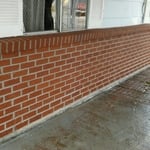
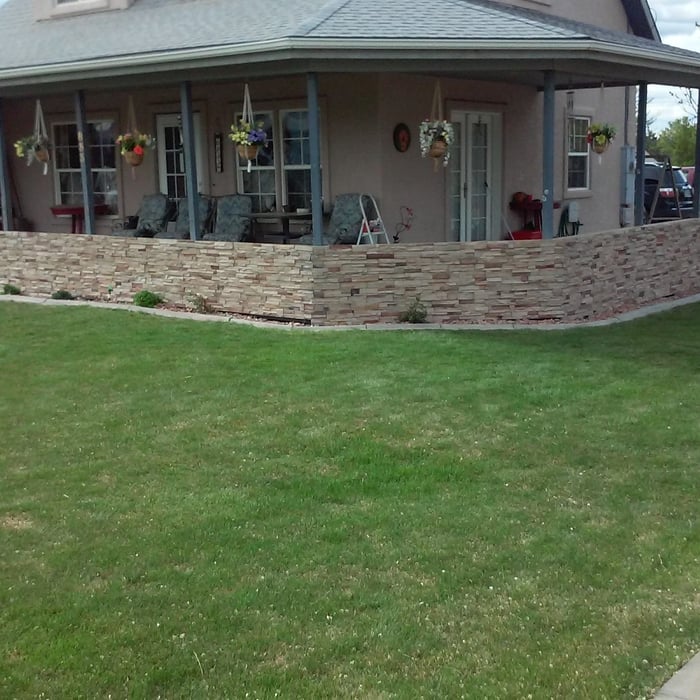
Brick and Stone Driveways & Floors - InstallConcrete Driveways & Floors - Install- For BusinessConcrete Driveways - Install+1 more

Serving Gunnison, CO and surrounding areas

In business since 2015

Free estimates

"They are a father and son team who tore out an existing driveway and sidewalk. They were pleasant to work with and communicated well with me. Always on time and finished the job when they said they would. I would recommend them to anyone."
Stone Columns
Stone columns
Brick Work
House Siding
stone wall

+53

Response time1 day
Recommended by94%of homeowners

...
Showing 1-10 of 61
Asphalt Driveways questions, answered by experts

Driveways should be sloped with a minimum 2% slope—anything lower will cause precipitation and runoff to collect. A 2% slope is the equivalent of a 2-foot rise over 100 feet. One quick way to check the integrity of your driveway’s slope: no more than four inches of water should collect on the surface longer than 15 minutes after rain.

While the specific timeline for building a driveway can vary based on driveway length and local weather conditions, the average concrete driveway can require several days to lay down all of the different parts of the driveway. The curing process may require you to avoid using your driveway for a week following construction. Heavier vehicles should be kept off of a new concrete driveway for several weeks. Building a gravel driveway may take just one to two days in total.

Building a road on a slope requires careful planning and will normally require a drainage system underneath to prevent flooding and damage to the road over time. Your professional may lengthen your road to create switchbacks if the slope directly to your home is too steep, as there are regulations for maximum road slope. The drainage system will help prevent runoff from the higher side of the slope from damaging the asphalt or concrete. Keep in mind that building a road on a slope isn’t a good DIY project, as a lot can go wrong.

Asphalt and tarmac are not the same thing. Traditional tarmac, short for tarmacadam, uses tar as a binder to hold crushed stone together. Asphalt uses bitumen—a byproduct of crude oil—to bind aggregate. Though tarmac was once a go-to for roads, asphalt has become the modern standard. And these days, most surfaces referred to as “tarmac” are actually asphalt. So, while the names may overlap, the key distinction lies in the binder—tar for tarmac and bitumen for asphalt.

When asphalt cures, it typically changes from a very dark black hue to a lighter, more matte gray color. Cured asphalt also won’t be tacky or sticky to the touch or emit any odors from the asphalt mix. Additionally, the surface of fully cured asphalt won’t deform under any pressure.

The Gunnison, CO homeowners’ guide to asphalt driveway services

From average costs to expert advice, get all the answers you need to get your job done.