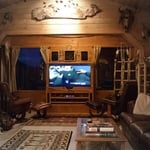
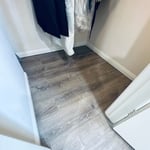
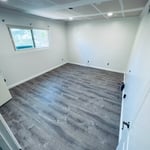
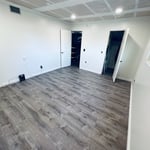
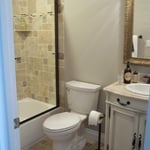
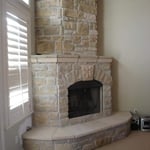
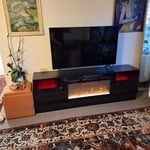
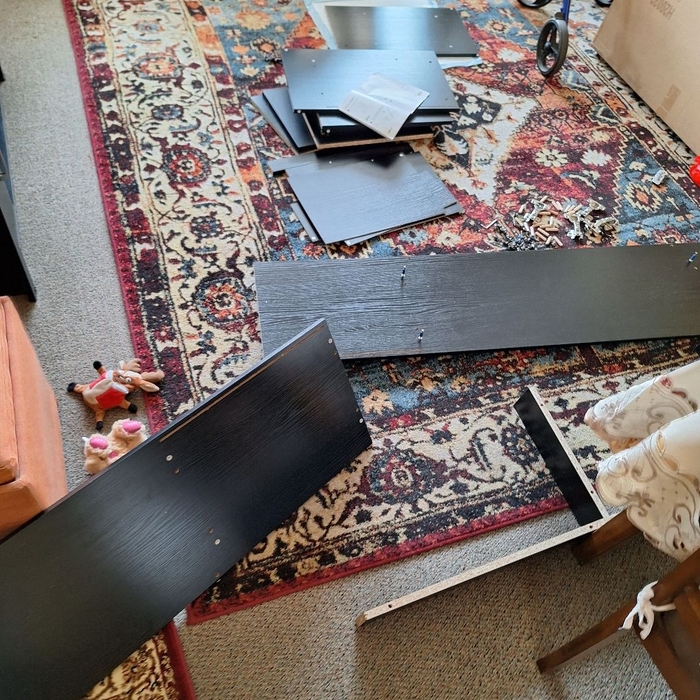
"Larry built a surround for an electric fireplace in a space that was made for the 90's tv's. It is amazing. I mean changed the space completely. I want to spend all of my time in this new space. Beautiful craftsmanship."
"Juan also had to resize the cabinets over the oven before he could install the microwave. The cabinets look great. He also had to redo the exhaust ductwork that is inside the cabinet. We also had some drywall work done in another room at the same time. It is really nice having someone who can do all of this so that we have one person who can do all the work and do it very well."
"Dean listened to my requirements for the deck refurbishing, and proceeded to deliver what I asked for. The deck came out just as I had hoped. The job was well worth the money paid."
"Work was done at our convenience and done perfect. Contractor is very good at what he does and reasonable rates too. We would not hesitate to hire him again if needed."
"We hired Steve at Cransten to assemble and install new cabinets for our kitchen and the results were amazing! His attention to detail, quality workmanship and professionalism greatly exceeded our expectations. We were so happy with Steve’s work that we immediately booked him to install additional cabinets in our dining room."
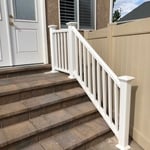
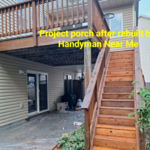
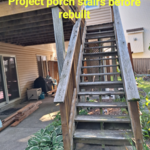
"Steven was awesome and got the job done quickly. Very professional. Will definitely be hiring him again.
The rails he chose are very sturdy and secure. He did hesitate when I asked if he could secure the ramp to the porch as well. He even put a couple braces on the sides to make it more sturdy"
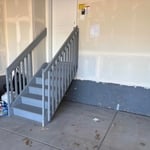
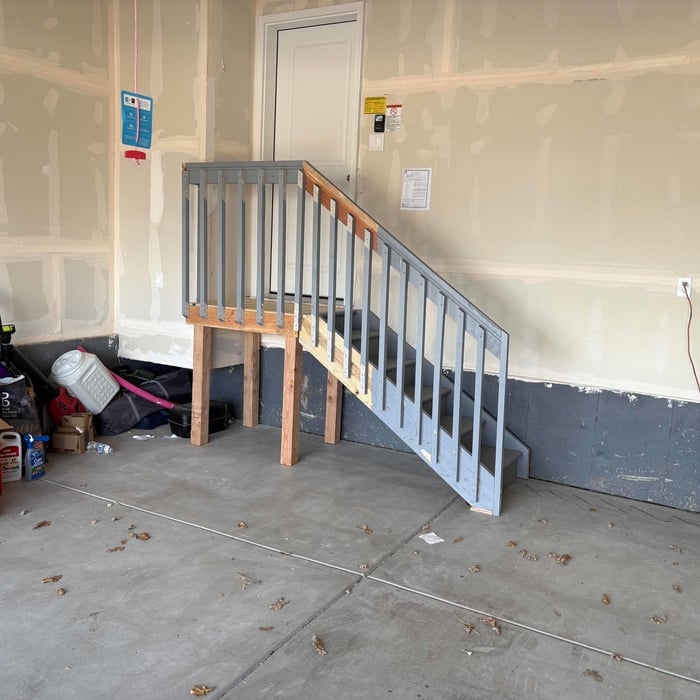
"Trevor, Brett, and Joe are exceptional craftsmen. They are reliable, honest, and dependable. They did a terrific job installing a garage service door, attic access with a built-in ladder, and extended the landing in our garage so we could make room for a 2nd refrigerator. They are a joy to be around and take pride in their work. We will be using Focal Point for our next projects!"
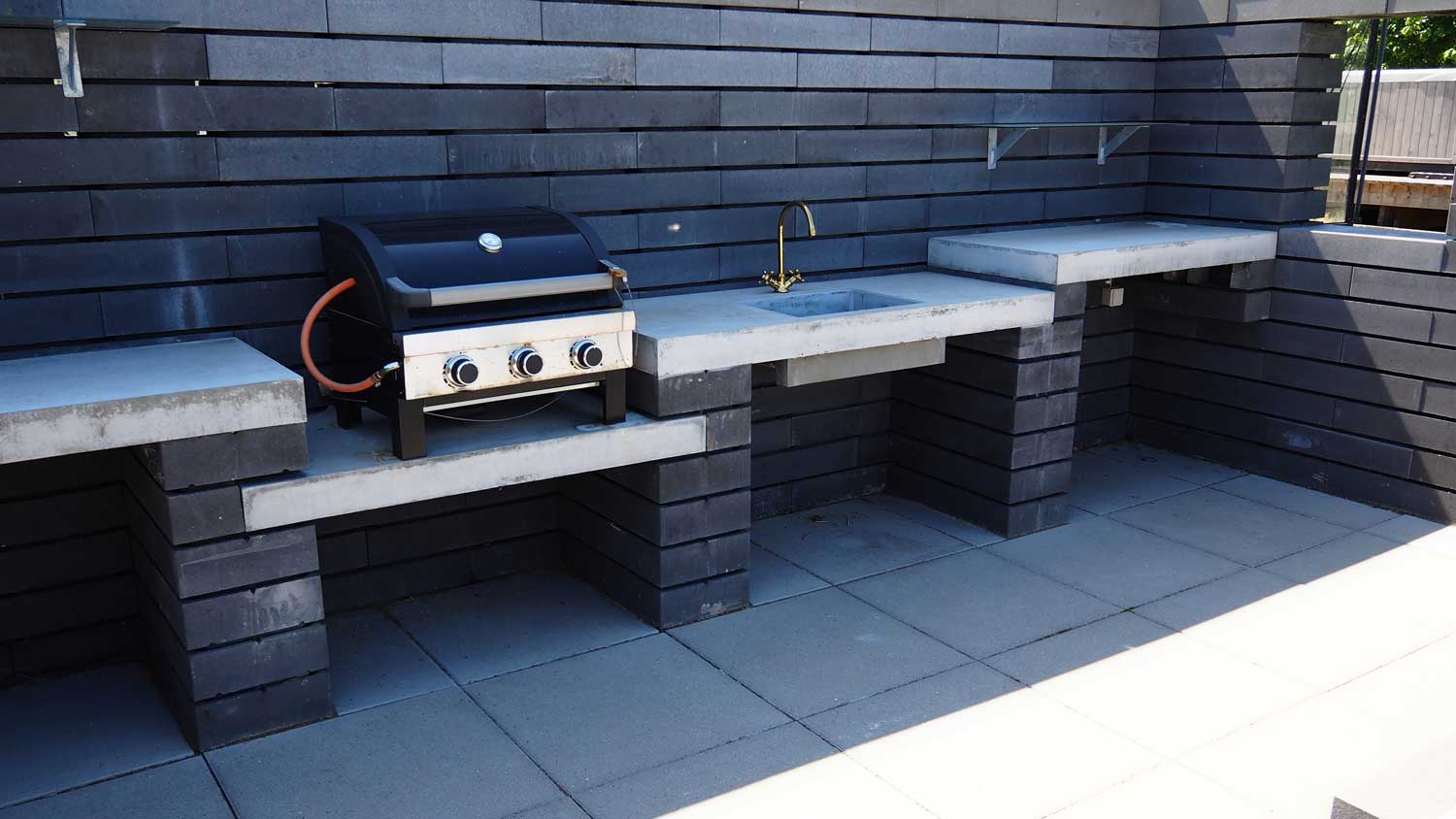
The difference between a built-in and regular grill is installation and design. A built-in grill is integrated into an outdoor kitchen or structure, often within a countertop or island. It is a permanent fixture. A regular grill is standalone, portable, or cart-mounted, allowing mobility and versatility in placement. Built-in grills are typically larger with more cooking space, while regular grills come in various sizes. Built-in grills are favored for creating a custom outdoor cooking area, while regular grills provide convenience and flexibility.
Yes, you can lay a gas grill flat during transportation. Laying it flat can help prevent it from moving around the truck during the journey. It’s still advisable to secure the grill with bungee cords, just in case.
All U.S. states require permits for gas grill installation, so you’ll have to get one before you move forward with your project. Permits help ensure that the gas line runs safely to avoid gas leaks and explosions. Gas line permits can usually also only be pulled by certified plumbers, which means you’ll have to hire a professional from the start. The permit for a gas line installation for a gas grill usually costs between $100 and $300. You can contact your installation company or building department for more accurate pricing.
Built-in gas grills typically have a life span of 10 to 15 years. However, their longevity can vary based on quality, usage frequency, climate conditions, and maintenance routines. High-quality models made from durable materials tend to last longer. Additionally, regular cleaning, covering the grill when not in use, and conducting routine maintenance tasks such as cleaning burners and replacing worn-out parts can extend its life. A well-maintained built-in gas grill can provide excellent performance and memorable cooking experiences for a decade or more, making it a worthwhile investment for outdoor cooking enthusiasts.
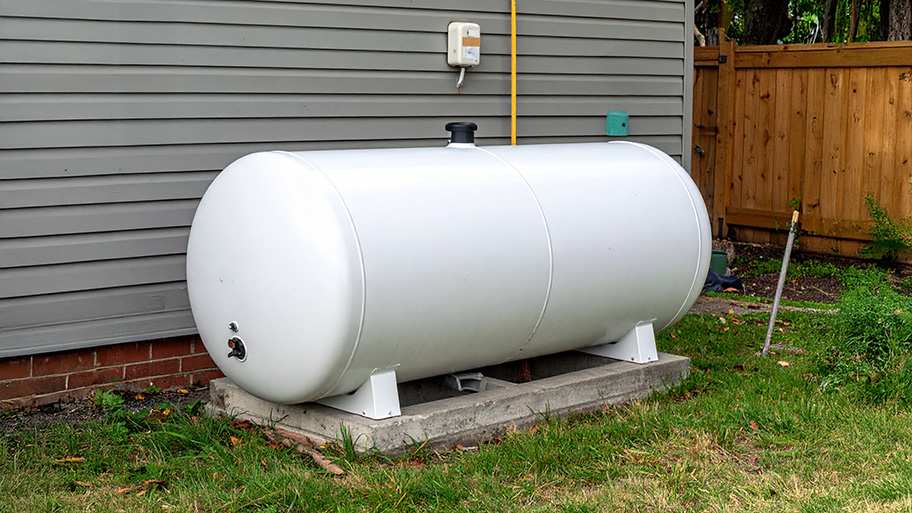
Appliances typically connected to a gas line include gas stoves, water heaters, furnaces, and gas fireplaces. Essentially, any appliance in your home that uses gas needs to be connected to a gas line, which connects your home with the main gas line owned and operated by your gas company.
The Centennial, CO homeowners’ guide to grill assembly services
From average costs to expert advice, get all the answers you need to get your job done.
Planning a new outdoor cooking space? Learn everything you need to know about gas grill installation costs, setup options, and how to hire a local pro.
Don’t leave your grill behind when moving house. Learn how to move a grill safely so you can enjoy a home-cooked meal on your first night in your new place.