


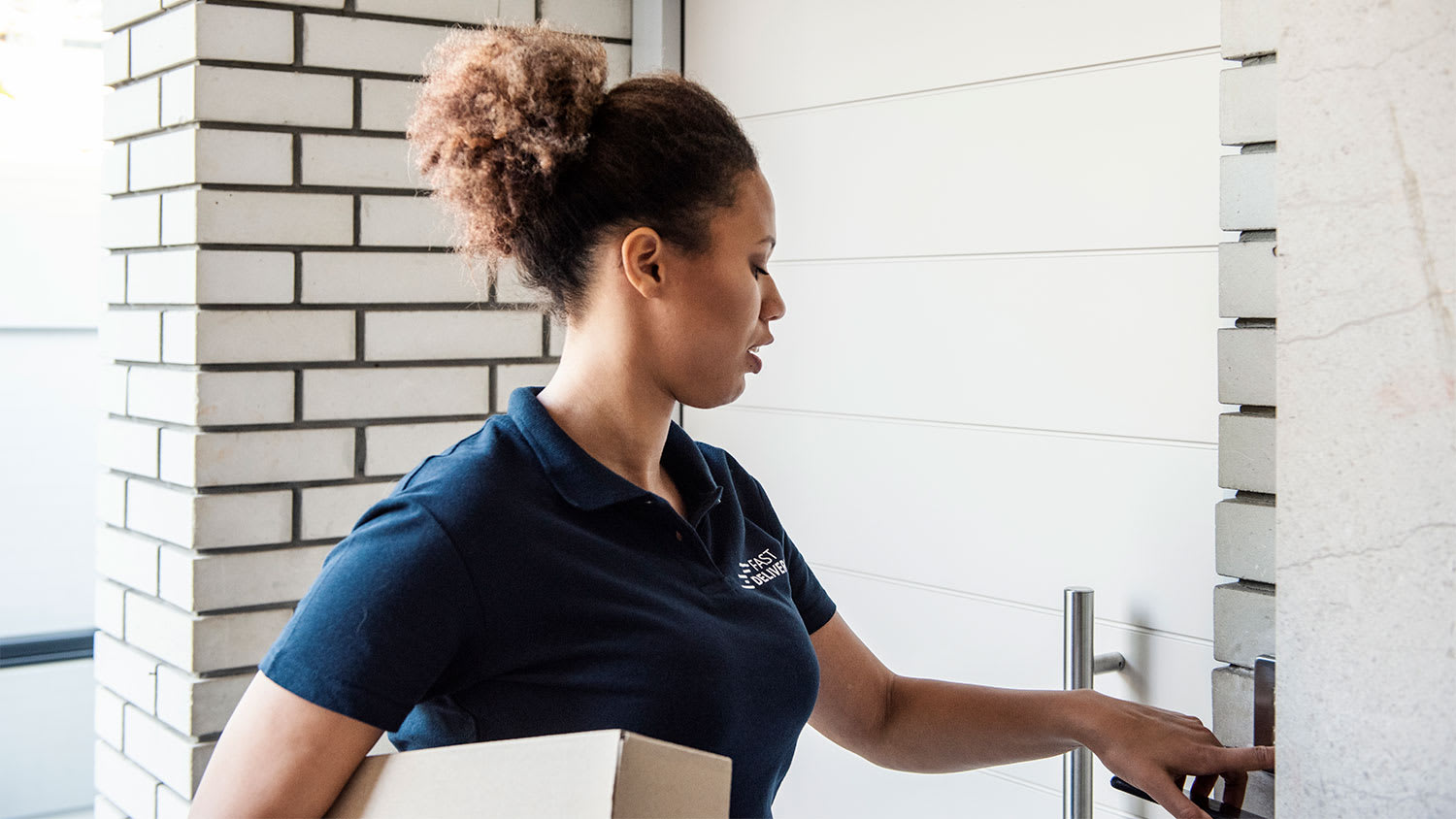
Top-rated doorbell installation pros.

Get matched with top doorbell installation pros in Basalt, CO

Enter your zip and get matched with up to 5 pros

Need a pro for your doorbell installation project in Basalt, CO?

Select your specific project to find the pro for you.

TRUSTED BY BASALT, CO HOMEOWNERS

  • Average homeowner rating star icon4.6
    Average homeowner rating
  • Verified reviews icon77
    Verified doorbell installation services reviews

Find Doorbell installation pros in Basalt

No results for Doorbell installation pro in

Try adjusting your search criteria.
Doorbell Installation questions, answered by experts

If you’re using faced insulation with paper, face the paper toward the inside of the room during the installation process. 

A good way to remember this is that the paper should face the “warm side” as it’s the vapor barrier, meaning it should face toward where the heat will be coming from.

On average, insulating an attic costs about $2,500, with a typical range of $1,500 to $3,500. The final price often depends on the attic's size, with costs generally falling between $1 to $3 per square foot. For example, insulating a 1,800-square-foot attic would likely cost between $1,800 and $5,400.

If the project involves removing old insulation, this can add an average of $900 to the total cost, bringing a full removal and reinsulation project to around $3,000.

Several factors influence the overall cost:

  • Insulation Type: Prices per square foot vary significantly by material.

  • Reflective: $0.50–$1.50

  • Blown-in: $1–$4

  • Batt: $2–$4

  • Loose-fill: $2–$5

  • Spray foam: $2–$5

  • Structural insulated panels (SIPs): $4–$7

  • Project Complexity: Factors like sealing air leaks, poor attic accessibility, and required inspections can add to the cost.

  • Removal Issues: The discovery of mold, asbestos, or pests during the removal of old insulation can substantially increase the price.

Experts use advanced techniques and tools to assess existing insulation levels and identify gaps. They implement strategic placement of new insulation to ensure complete coverage, optimizing thermal resistance and energy efficiency.

One of the clearest signs that your insulation isn’t working as well as it should be is a noticeable difference in temperature throughout your home. One room might feel icy while another is hot as Arizona—this indicates that some parts of your home are either retaining or losing heat more than others. Additionally, a sudden increase in your energy bills, evidence of pests or rodents, or evident water damage are other signals that warrant a thorough inspection of your insulation and potential replacement.

The best type of insulation for your home depends on your specific needs, climate, and the area you are insulating. For new construction, structural insulated panels are a highly energy-efficient option that is easy to install during the building process. In very warm climates, reflective insulation can be a cost-effective choice. For cold climates, fiberglass is an excellent option due to its high R-value and resistance to settling over time. Spray foam works well in humid environments because of its moisture-resistant properties. For standard attics, loose-fill, spray foam, or blown-in insulation are all suitable options.

The Basalt, CO homeowners’ guide to doorbell installation services

From average costs to expert advice, get all the answers you need to get your job done.