







Top-rated animal fencing pros.

Best animal fencing pros near Wasco, CA

Enter your zip and get matched with up to 5 pros

Need a pro for your animal fencing service project in Wasco, CA?

Select your specific project to find the pro for you.

Top-Rated Animal fencing pros in Wasco - Updated Nov 2026

Avatar for Stockdale Fence Company
Stockdale Fence Company
4.6(
11
)
Electronic Pet Fence - InstallElectronic Pet Fence - Repair or Adjust

Serving Wasco, CA and surrounding areas

In business since 2022

Free estimates

Warranties offered

"I would like to highly recommend Stockdale Fence for new fence and gate installation services! Cody was very professional and had responses to any and all of my questions regarding my backyard fence installation. He was able to complete the job in a timely manner while keeping quality at the forefront. I will absolutely use Stockdale Fence on my next fencing project."
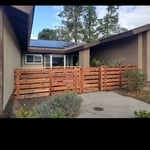
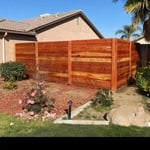
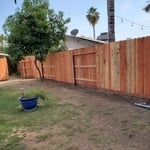
Fencing Project
57’ Redwood Fence Replacement
80’ Redwood Fence Replacement
Interior support poles
Front yard modern style fence

+24

Recommended by100%of homeowners

Premier Fencing
4.0(
8
)
Electronic Pet Fence - InstallElectronic Pet Fence - Repair or Adjust

Serving Wasco, CA and surrounding areas

In business since 2020

Free estimates

Warranties offered

"I requested estimates from fencing contractors through Angi. Within hours Premier Fencing Co. called and setup an appointment to give me an estimate to replace my aging, dilapidated fence. The owner, Brian Koehn came up with a bid that was within our budget. The project was not an easy one. Posts had to be set adjacent to a bamboo stand and mature trees with large roots. Pipes used to reinforce existing rotted fence posts were difficult to remove. The finished project was exactly what I had envisioned. Top notch workman. Enjoyed the process. Would highly recommend this company for your fencing needs."
Additional Photos
Additional Photos
Additional Photos
Additional Photos
Additional Photos

+1

Response time1 day
Recommended by85%of homeowners
Animal Fencing FAQs, answered by experts

If the snakes in your yard are non-venomous species (like common Rat or Garter snakes), why not consider the live-and-let-live approach? Some benefits of not getting rid of snakes include:

  • They’re great at controlling disease-spreading rodent populations, including rats, mice, voles, and moles.

  • Some non-venomous species (like the common kingsnake) eat venomous species like rattlesnakes and copperheads.

  • Species like the garter snake keep down populations of garden pests like slugs and grasshoppers.

Consider making some noise if you're looking for a straightforward way to put a damper on excessive frog croaking. You don't need to orchestrate a symphony—simple actions like stomping or clapping with gusto can work wonders. You can also try blasting music, but that won't help you make friends with your neighbors. A simpler solution might be learning to live with it. You can try soundproofing your bedroom with heavy-duty noise-reducing curtains.

If you’ve spotted a skunk or know that one of these furry creatures sprayed one of your family members, your answer is fairly obvious. However, a skunky smell in your house that isn’t coming from these critters may be a sign of a dangerous gas leak. If you suspect this, leave your home immediately and call emergency services. It could also be a build-up of dangerous gas in your home’s septic system or plumbing. Call a professional plumber near you to make an assessment.

There are several ways to dry out flea eggs. Diatomaceous earth (DE) is a natural ingredient that can dry out fleas, but it’s messy to apply and can also cause respiratory issues for members of your household if inhaled. Salt is safer and easier to apply, so shake it liberally over affected areas. Boric acid is another way to get rid of fleas and other insects, but this, too, can cause respiratory issues and health problems if inhaled or ingested.

Armadillos are most active during cooler hours to avoid extreme temperatures, particularly the daytime heat in the warm climates where they live. This activity pattern helps them reduce the risk of overheating and dehydration. They are generally active from late at night to early morning, often between 2 a.m. and 5 a.m., but can also be seen around dawn and dusk. An exception to this is during mating season (June-July in the northern hemisphere, November-December in the southern hemisphere), when male armadillos may be more active than usual.

The Wasco, CA homeowners’ guide to animal fencing services

From average costs to expert advice, get all the answers you need to get your job done.