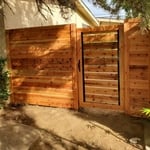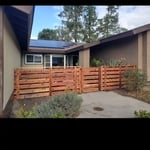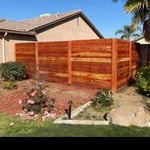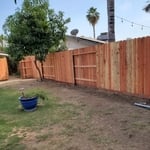






Top-rated animal fencing pros.

Get matched with top animal fencing pros in Maricopa, CA

Enter your zip and get matched with up to 5 pros

Need a pro for your animal fencing service project in Maricopa, CA?

Select your specific project to find the pro for you.

Find Animal fencing pros in Maricopa

Avatar for Milan Iron Door
Milan Iron Door
New to Angi
Electronic Pet Fence - InstallElectronic Pet Fence - Repair or Adjust

Serving Maricopa, CA and surrounding areas

We manufacture iron doors, ornamental iron fences, wrought iron gates, wrought iron railings and more! These products of craftsmanship will be a beautiful addition to your home. We hold ourselves to a high standard that allows you to purchase your iron products from Milan Iron Door with confidence.

Animal Fencing questions, answered by experts

Natural pools don’t necessarily attract snakes, although there is a chance they could stop by for a quick visit. They’re not likely to stay, however, because there’s nothing for snakes to eat in a natural pool environment. A well-maintained natural pool has clear water, so you should be able to easily spot a snake before diving in.

Natural swimming pools are designed to deter pests, including mosquitoes. While any body of water can potentially attract pests, the natural filtration system keeps the water clean and constantly moving. Mosquitoes specifically are attracted to standing water, so the continuously circulating water in a natural pool makes it an inhospitable environment for them.

Pest control and wildlife removal are different services. Pest control specialists typically handle insects and bugs, often using chemicals and poisonous sprays for extermination. Wildlife removal professionals, on the other hand, focus on larger animals. They prioritize humane methods like trapping and relocation, using poison only as a last resort. For insect problems, contact a pest control professional; for issues with other animals, an animal or wildlife removal specialist is the correct choice.

Badgers are nocturnal, which means they’re most active at night. This is when they leave their homes and go out in search of food. They’re also creatures of habit, so they will continue going back to the same places when they are active, as long as there doesn’t appear to be any danger.

Groundhogs are most active during the warmer months, from spring through fall. On a daily basis, they exhibit peak activity in the early morning (dawn) and late afternoon (dusk), which are their primary feeding times. They tend to stay in their cool burrows during the hottest, sunniest parts of the day. Groundhogs hibernate during the winter, typically retreating to their dens from October or November until mid to late February.

The Maricopa, CA homeowners’ guide to animal fencing services

From average costs to expert advice, get all the answers you need to get your job done.