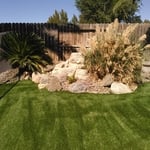
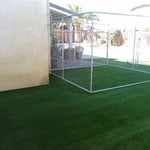
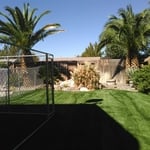
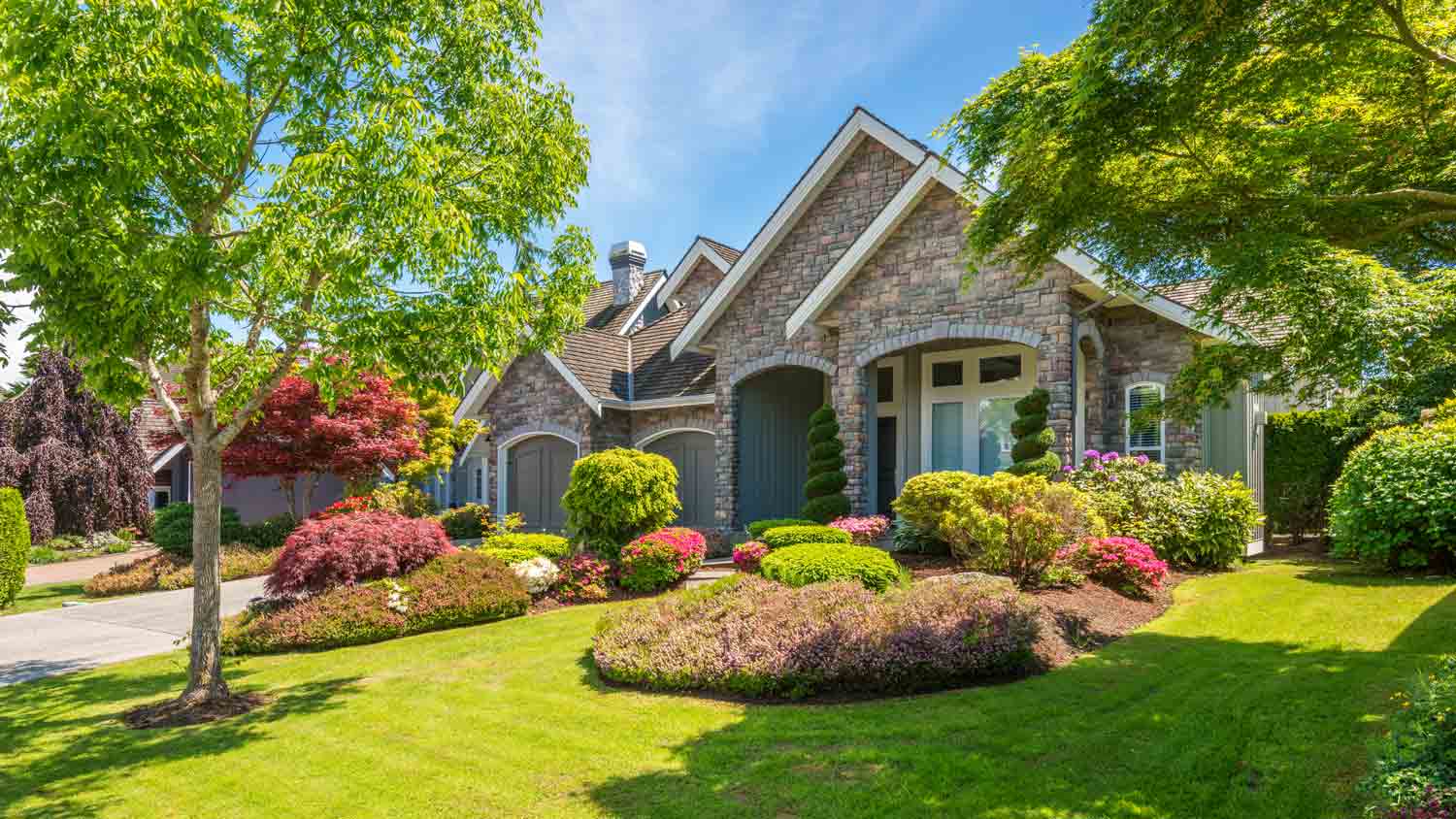
We provide reliable, high-quality landscaping services at affordable prices. From lawn care and yard cleanups to trimming, mulch, rock, and general landscaping, we take pride in making every property look its best. We work hard, pay attention to detail, and treat every yard like it’s our own. Contact us today for a free estimate!
General handyman things, light electrical, landscaping, painting, plumbing and pretty much anything else. I also know my limits, so if there is something I am not 100% certain I can do up to standards then I will be honest. Cost is always negotiable with me.
"Artificial turf looks good. Some of the plants have died. It's only been five months since the job was completed. All the other items are of fair to poor quality. Concrete areas have to be re-done by another company because it has cracked within days to weeks of it being placed. Concrete splashed on retaining wall which was never removed/cleaned by Andres. Paint on fencing chips away easily. He said he would remove the splashed concrete off the wall but never returned to finish the job. As I stated earlier, I have to pay $3K+ to have the concrete done again. Haven't gone through an entire rain season so still don't know how the drainage system works or not. Would never hire him again."
You do not need to drywall over most types of garage insulation. However, doing so can increase noise reduction, make the space more attractive, and keep children and pets from touching harmful fiberglass insulation. If you’re using cellulose or some other type of blown-in insulation (fiberglass and mineral wool are common), you will need drywall to contain the insulation material.
Drywall insulation costs around $1,800, on average, but prices can range from $500 to $4,500, depending on a few different factors. The following things are important considerations to make when pricing out your insulation project:
Square footage of insulation
Type of insulation
Climate in your area and the insulation R-value required
Whether or not your walls are already finished
Accessibility of the area
Whether or not you need old insulation removed first
In framing, studs are placed at 16-inch intervals to coincide with the typical spacing of wall materials such as drywall or plywood. This spacing is called "on-center" and is necessary for maintaining structural stability and efficient use of materials. The 16-inch spacing also helps to distribute the weight evenly across the building's structure. For those looking to cut material costs and improve energy efficiency, 24-inch stud spacing can be employed through a method called "advanced framing". This requires careful planning and adherence to local building codes to ensure structural integrity.
Most repairs take 1-3 days, depending on drying times for joint compound and paint touch-ups.
If the holes in the plaster are small, you can fill them with layers of patching plaster until they’re filled. After it dries, you can sand the plaster and paint over it. If the hole is much larger, consider using bonding plaster first and then a layer of patching plaster, completing the process with sanding and a layer of paint.
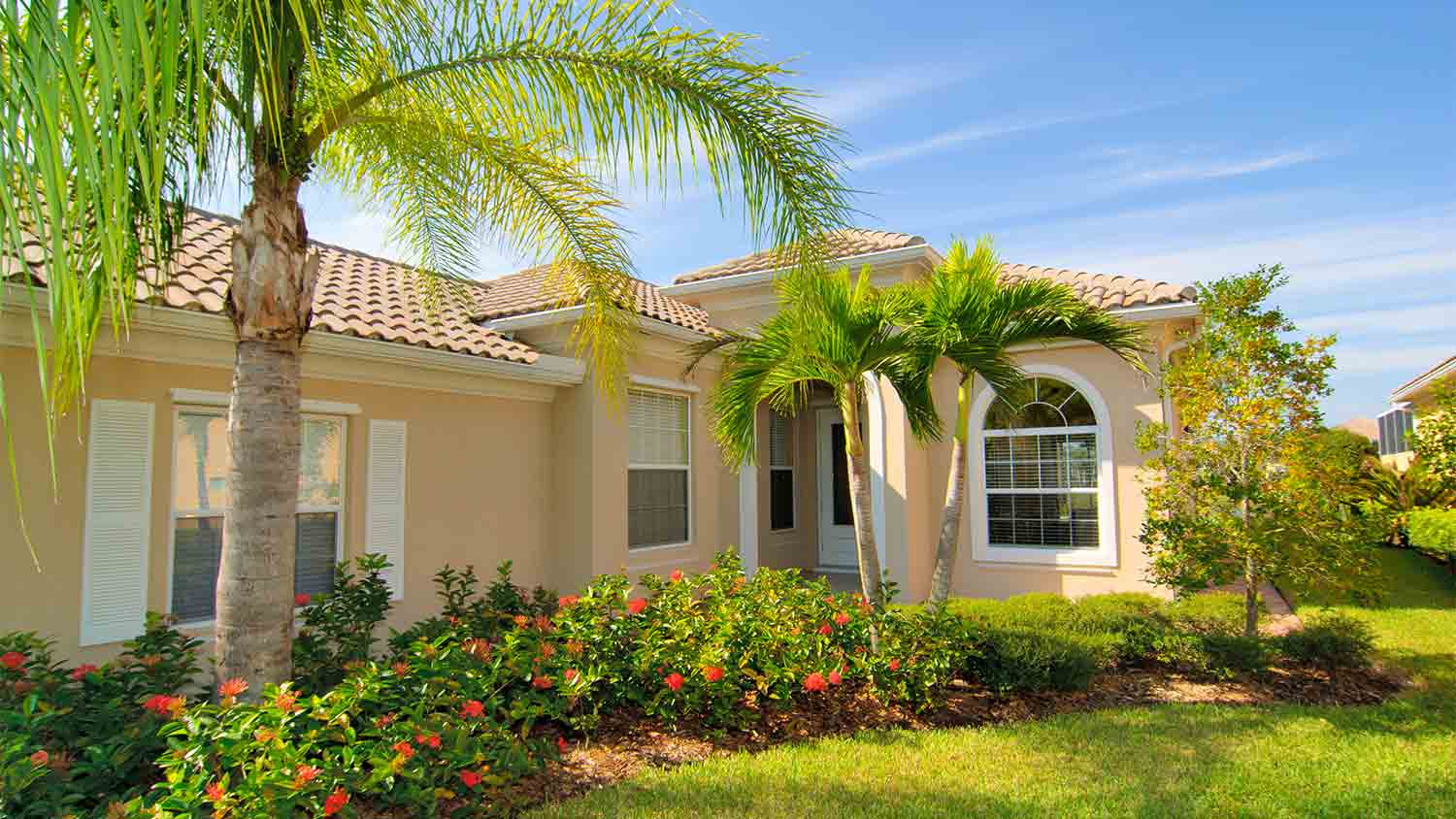
The Walker, CA homeowners’ guide to plant watering services
From average costs to expert advice, get all the answers you need to get your job done.
Before you set off on vacation, you’ll want to make some preparations for your plants. Learn how to keep your plants alive when you’re out of town in this guide.
How often should you water newly planted trees? You don’t want to give them too much or too little—follow this watering schedule to give them the right amount each time.