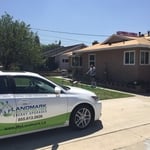
"I'm very happy with the work that was done by Landmark construction and energy crew. At first, we met with Ron that came over and met with us about the issues that we had with our water heater and with the bills that we currently pay for electric. Ron recommended us to replace the bulky old water heater and to install a tankless system that will supply hot water immediately and with the use of less gas. We liked that idea and we decided to go for this project. Ron came over to our house with his 2 people that basically took care of all the removal and the installation of the new system. The work that they did took only 2 days from start to finish and now we have more space at the garage, and the bills are much lower than before…."
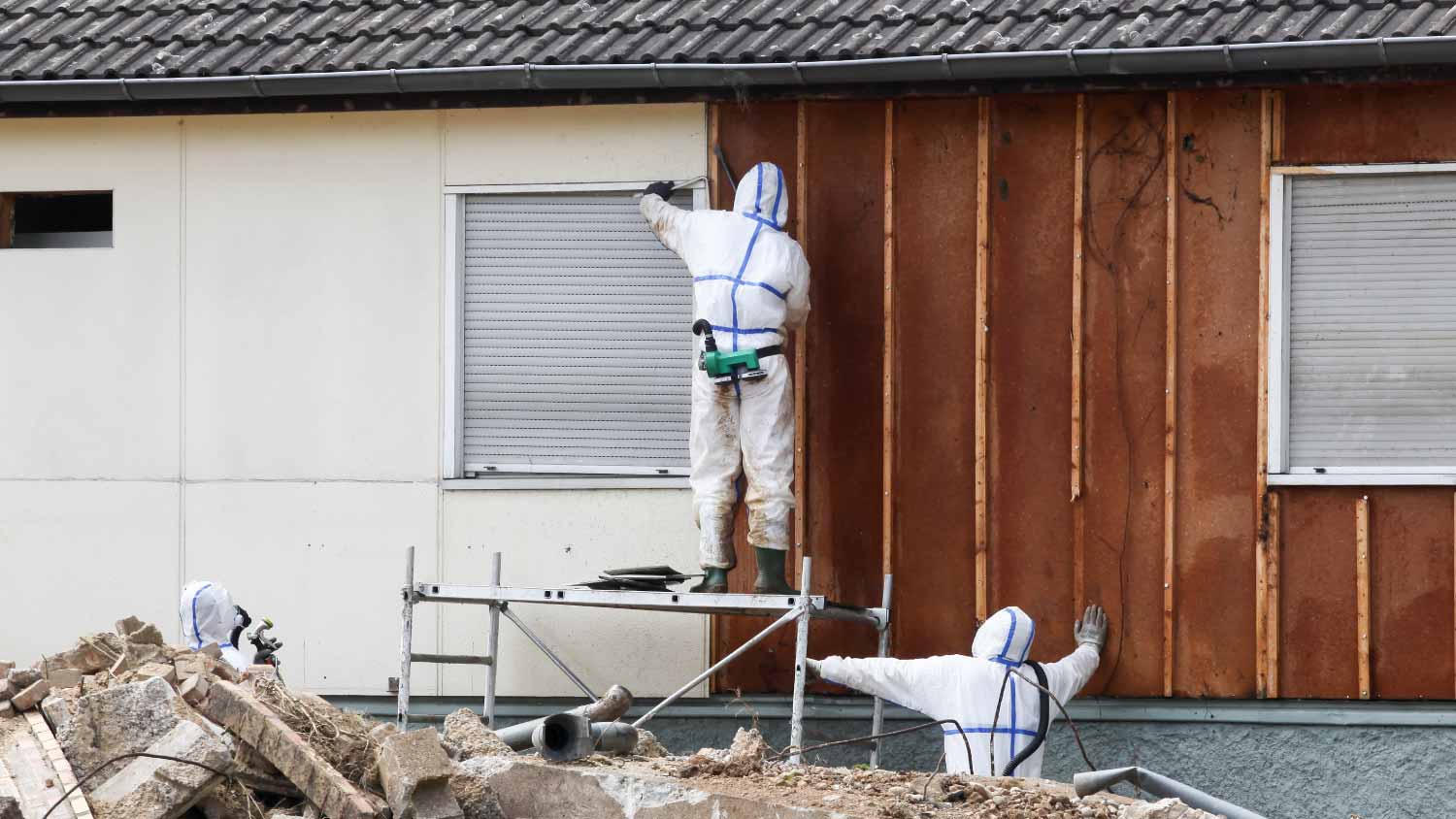
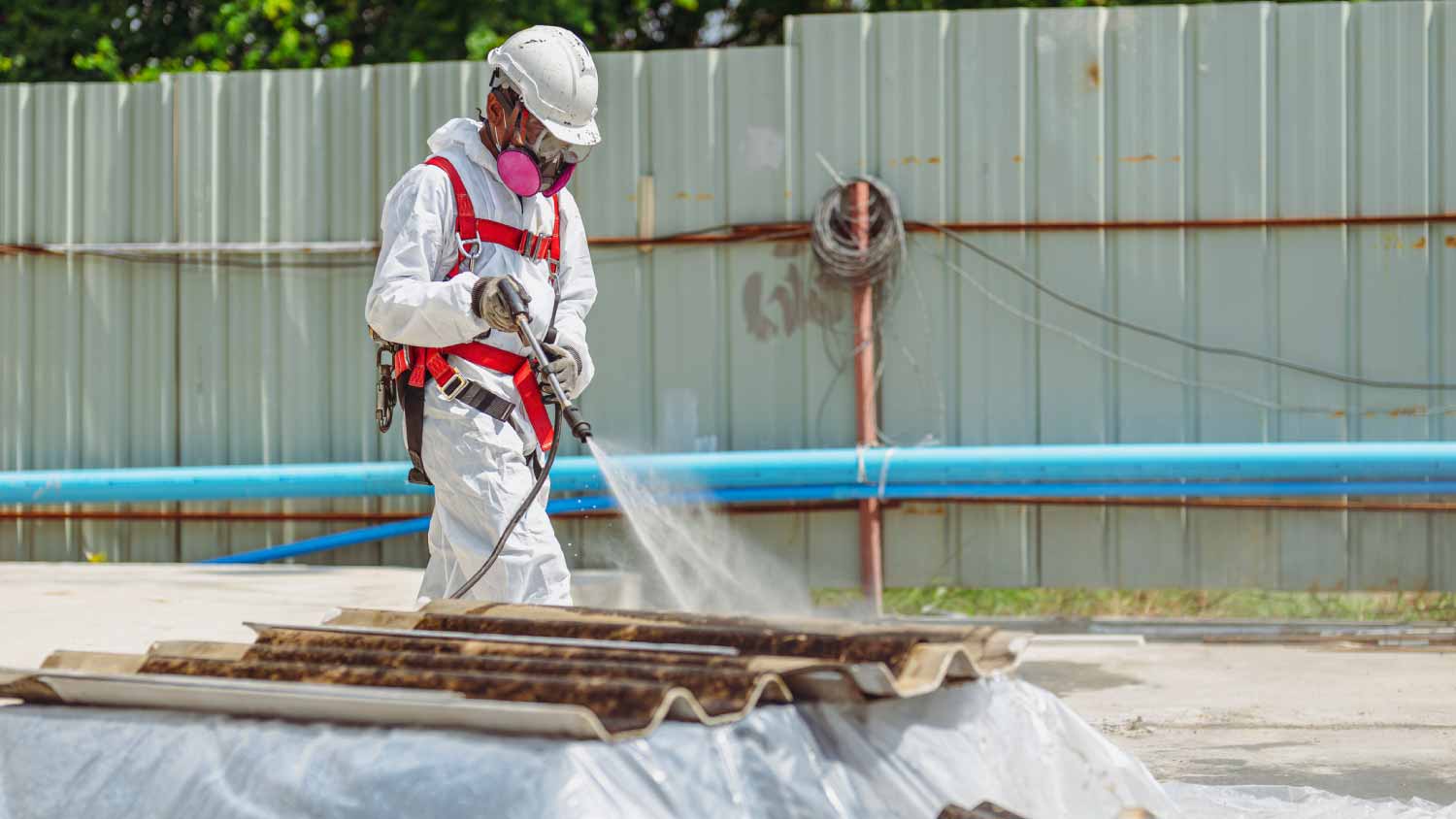
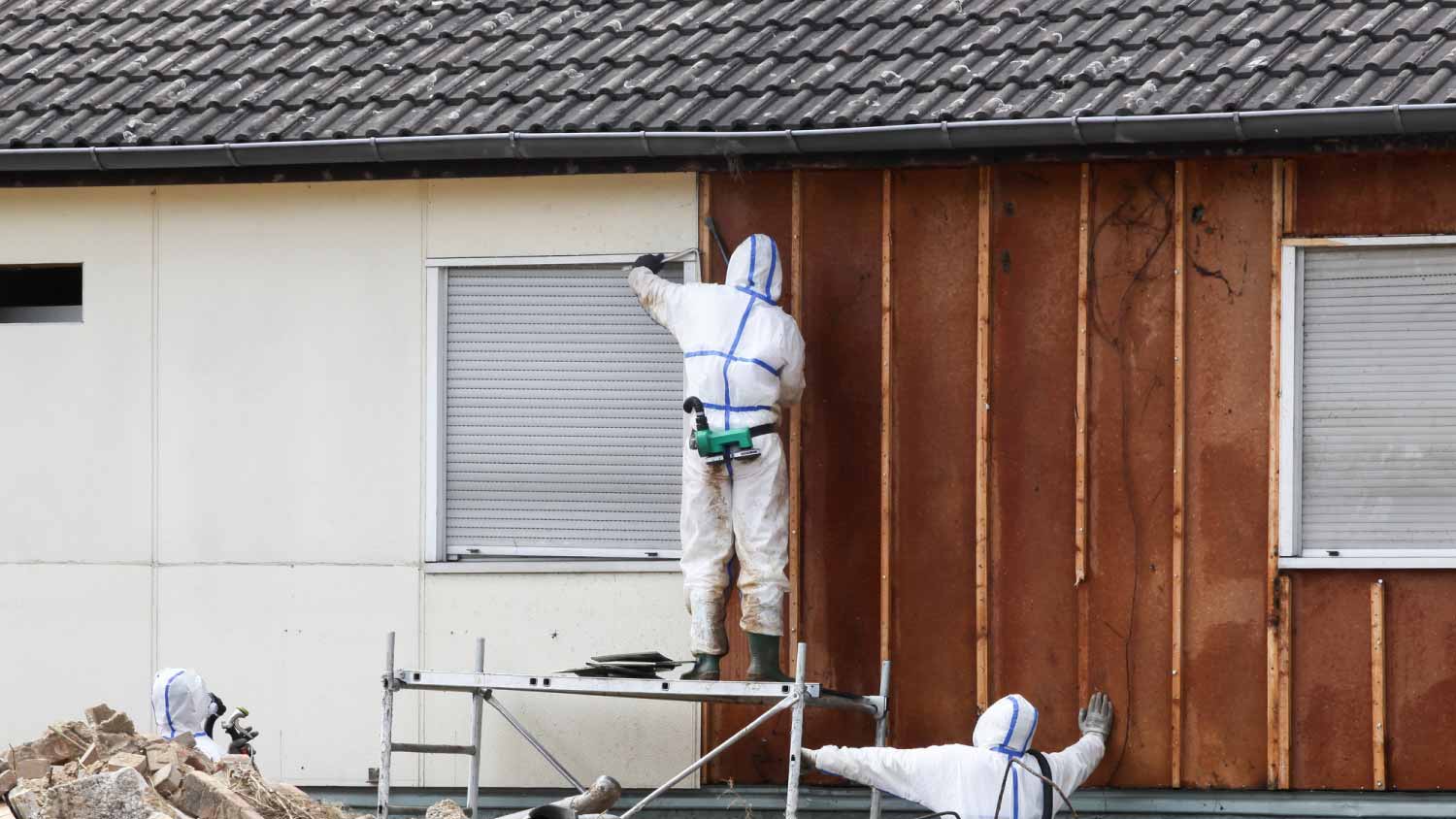
Regulations require certified professionals for removals and disposal in compliance with local and federal guidelines, ensuring safety and legality.
Typically, homeowners insurance does not cover asbestos removal or abatement. Most policies exclude coverage for pollutants, contaminants, and hazardous materials, which includes asbestos. Because asbestos is often considered a pre-existing condition in older homes, its removal is usually viewed as a maintenance expense rather than an insurable loss. However, there is a key exception: if asbestos-containing materials are discovered or disturbed due to a covered event, such as a fire or storm, your policy may cover the abatement as part of the necessary repairs. For example, if a storm damages your roof and an insurance adjuster discovers asbestos while inspecting the damage, the policy might pay for the removal cost. If removal is not covered and is outside your budget, you might consider encapsulating the asbestos. The viability of this option depends on the condition of the contaminated materials. It is recommended to speak with an asbestos abatement specialist to understand your options.
Hazardous waste is waste that poses a threat to human or environmental health. This generally refers to waste that is flammable, corrosive, toxic, or reactive. To confirm if the waste you need to remove is considered hazardous waste, contact your local hazardous waste facility.
Asbestos is a carcinogen, meaning it increases the risk of cancer. Inhaling asbestos fibers is linked to several respiratory issues, including asbestosis, or scarring on the lungs, lung cancer, and mesothelioma, another type of cancer. There's also a link between asbestos exposure and an increased risk of colon cancer and other cancers of the digestive system.
Usually, the people most at risk for disease related to asbestos exposure are those who spend a lot of time working around the material without protection. Electricians who work with asbestos wire have a higher risk of developing mesothelioma or lung cancer due to their exposure.
If you think you’ve touched asbestos, do not put on a mask. This is important because you may take the asbestos fibers on your hands on trap them in the mask. Make your way to a sink and wash your hands thoroughly. Remove any clothes and seal them in a bag, then take a shower. Call your doctor and let them know you’ve been exposed to asbestos, and make sure you see them as soon as possible. The reason you keep the clothes is in case anyone wants to confirm the presence of asbestos.
The Walker, CA homeowners’ guide to asbestos removal services
From average costs to expert advice, get all the answers you need to get your job done.
Asbestos removal costs vary based on where it’s located, the size of the job, and if there is any underlying damage. Learn what has the biggest effect on the cost.
Discover the cost to remove asbestos siding, including average prices, key cost factors, and tips to help homeowners plan a safe and budget-friendly project.