



Top-rated radon detection and reduction specialists.

Best radon detection and reduction specialists near Vandenberg Village, CA

Enter your zip and get matched with up to 5 pros

Need a pro for your radon detection and reduction project in Vandenberg Village, CA?

Select your specific project to find the pro for you.

Top-Rated Radon detection and reduction specialists in Vandenberg Village - Updated Nov 2026

Avatar for Radon Solutions California, LLC
Radon Solutions California, LLC
4.4(
8
)
Radon Gas - AbatementRadon Gas - Testing

Serving Vandenberg Village, CA and surrounding areas

Approved

In business since 2021

Free estimates

Credit card accepted

"Absolutely amazing experience. My home radon levels were averaging 5.0 pCi/L. Two days after Edward and his team finished the mitigation job the levels went down to 0.3. Incredible result. I can’t be happier."
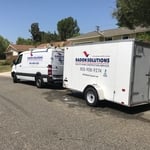
Radon Fans
Response time2 days
Recommended by100%of homeowners
Avatar for At Eazz Restoration LLC
At Eazz Restoration LLC
5.0(
3
)
Radon Gas - Testing

Serving Vandenberg Village, CA and surrounding areas

In business since 2023

Free estimates

Emergency services offered

"They are a very professional business. They are very knowledgeable and concerned about your needs. They will put you issues at EAZZ!!! Ernie was very helpful with all questions asked. Bianca was extremely knowledgeable in the insurance industry as she was also amazing and professional. I would highly recommend At EAZZ for any water restoration/mold/asbestos."
Additional Photos
Additional Photos
Additional Photos
Additional Photos
Additional Photos

+7

Recommended by100%of homeowners

Radon Detection and Reduction FAQs, answered by experts

The fan that pulls the radon out of the air needs to run continuously, so you may see an increase in your electric bill once you install the mitigation system. Additionally, you may see an increase in your heating or cooling bills, as the fan can cause some loss of hot or cool air.

The natural breakdown of uranium in soil, rock, and water can cause radon to appear in a home. The gas seeps into homes through cracks in foundations, walls, or floors, as well as through gaps around pipes or construction joints. Radon levels are influenced by soil composition, building materials, and ventilation. Poorly sealed or airtight homes can trap radon, allowing it to accumulate.

Keeping radon from getting into your home is much better than having to get rid of it once it's already indoors. While there may not be a way to fully prevent radon from getting into your home, there are things you can do to reduce the gas's ability to enter. 

Sealing foundation cracks and openings can help keep the gas from seeping inside. Improving air flow, such as by opening windows, can also be helpful. If you're building your home from scratch, talk to your contractor about using radon-resistant construction to keep the gas out.

No level of radon is technically safe, but since it is present everywhere, complete avoidance is impossible. The average radon level in homes across the United States is 1.3 picocuries per liter (pCi/L). The Environmental Protection Agency (EPA) recommends taking preventative measures if your home's radon levels are between 2 and 4 pCi/L or higher.

No level of radon is technically safe, but since it is naturally present everywhere, it is impossible to avoid entirely. The average radon level in homes across the United States is 1.3 picocuries per liter (pCi/L). The Environmental Protection Agency (EPA) recommends taking action to reduce radon levels if your home's test results are between 2 and 4 pCi/L or higher.

The Vandenberg Village, CA homeowners’ guide to radon detection and reduction services

From average costs to expert advice, get all the answers you need to get your job done.