

Top-rated driveway sealcoating pros.

Best driveway sealcoating pros near Turlock, CA

Enter your zip and get matched with up to 5 pros

Need a pro for your driveway sealcoating project in Turlock, CA?

Select your specific project to find the pro for you.

TRUSTED BY TURLOCK, CA HOMEOWNERS

  • Average homeowner rating star icon4.5
    Average homeowner rating
  • Verified reviews icon34
    Verified driveway sealcoating reviews

Top-Rated Driveway sealcoating pros in Turlock - Updated Nov 2026

Avatar for Asphalt Aces
Asphalt Aces
4.4(
18
)
Asphalt SealingAsphalt Sealing- For Business

Serving Turlock, CA and surrounding areas

In business since 1980

Free estimates

Emergency services offered

"Outstanding experience with Jim and team. We have had driveway issues since we first bought this house last year. Thanks to Asphalt Aces, those issues have been solved and we now have a beautiful 300ft driveway on our property leading up to the house. 10/10 would recommend."
Asphalt install
Asphalt install
Chip seal
Chip seal
Chip seal

+9

Response time1 day
Response rate100%
Recommended by60%of homeowners
Avatar for Pantoja Garden & Landscaping
Pantoja Garden & Landscaping
4.6(
23
)
Asphalt SealingAsphalt Sealing- For Business

Serving Turlock, CA and surrounding areas

In business since 2018

Free estimates

Emergency services offered

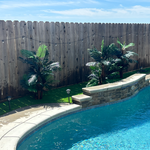
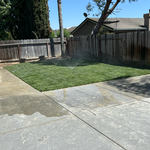
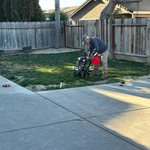
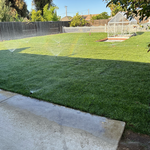
"Jesus and his team did a fantastic job putting in Turf in our backyard! He was prompt, nice, very accomodating by doing extras, such as planting some trees, putting in our Solar Lighting and even worked late on a Sunday to get it done as fast as possible! Great job, great quality, and We Highly recommend him and his company!! Thanks Jesus!!"
Additional Photos
Additional Photos
Additional Photos
Additional Photos
Additional Photos

+119

Recommended by90%of homeowners
Showing 1-10 of 32
Driveway Sealcoating FAQs, answered by experts

If you notice minor cosmetic problems with your driveway, you should seal it. Look out for cracks and holes on the surface, faded asphalt or concrete, and stains from oil and other chemicals. Replacing your driveway may be necessary if you’re dealing with significant problems—¼-inch cracks, large potholes, and puddles from drainage issues. The cost to install an asphalt driveway typically ranges between $4,200 and $9,000, significantly more than resealing. Consider talking to a professional to discuss whether resurfacing your driveway—a midway project between resealing and replacing—is a better option for you.

By using quality sealants and ensuring precise alignment during installation.

New asphalt goes through two stages: drying and curing. Drying typically takes 24 to 72 hours, after which the surface is solid enough for light use like walking or careful driving. While you may be able to park on it after 72 hours, the surface is still soft and should be treated gently. Full curing is a much longer process, taking anywhere from 30 days to a full year for the asphalt to reach maximum strength. During this extended curing period, the asphalt is susceptible to damage from heavy vehicles, sharp objects, and high temperatures. Factors like weather, the specific asphalt mix, and application thickness all influence drying and curing times. For the most accurate timeline and to ensure the longevity of your new asphalt, it is always best to consult with your installation contractor for their specific recommendations.

Driveway sealcoating costs around $500 on average, or between $1.25 and $1.50 per square foot for materials and labor. Most homeowners pay between $250 and $800 for this service. Your project price will depend mostly on the size of your driveway, the type of sealant, how much pressure washing or treatment is required before sealing, and the number of coats of sealant applied to your driveway. Most sealants come in 5-gallon or 55-gallon units, with up to 500 square feet of coverage per 4 gallons.

Though they may look similar, tar and bitumen come from different sources. Bitumen is a petroleum product—extracted during crude oil refining—and is mostly made up of hydrocarbons. Tar comes from burning down organic materials like coal or wood. Bitumen is strictly oil-based, while tar is a mix of compounds from natural sources. Both are used as binders in paving; however, bitumen is the standard for today’s asphalt. Tar use has mostly faded out of road construction.

The Turlock, CA homeowners’ guide to driveway sealcoating

From average costs to expert advice, get all the answers you need to get your job done.