




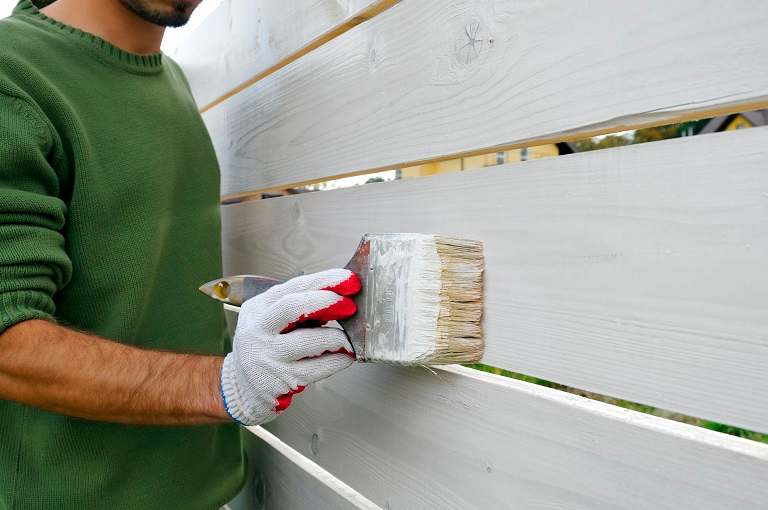
Top-rated fence painters.

Get matched with top fence painters in Soquel, CA

Enter your zip and get matched with up to 5 pros

Need a pro for your fence painting project in Soquel, CA?

Select your specific project to find the pro for you.

TRUSTED BY SOQUEL, CA HOMEOWNERS

  • Average homeowner rating star icon4.5
    Average homeowner rating
  • Verified reviews icon161
    Verified fence painting services reviews

Find Fence painters in Soquel

No results for Fence painter in

Try adjusting your search criteria.
Fence Painting questions, answered by experts

For homes in areas with extreme weather, high heat, or intense sun exposure, high-quality acrylic paint is the best option. Acrylic paint is durable, resistant to both heat and cold, and provides a protective barrier with excellent UV resistance. For best results, look for acrylics that contain natural earth pigments, which are better suited for resisting sun damage. While oil-based paint is also durable, it can be prone to fading in high heat and can become too viscous to apply easily in cold temperatures. Additionally, choosing a neutral or light color like gray, beige, or white can help, as these colors absorb less heat than darker shades.

Yes, staining or sealing a cedar deck or fence is highly recommended to extend its lifespan, typically by five to 10 years. While cedar is naturally resistant to mold and mildew, it can still fall victim to moisture, sun exposure, and rot over time. Applying a treatment creates a protective shield that helps prevent splintering, fading, and decay, preserving the wood's strength and appearance. A combination stain and sealer often provides the best protection, as it soaks into the wood grain rather than just sitting on top. This offers superior defense against UV damage and rot and lasts longer than a sealer alone. To maintain the wood's natural look, consider using a near-translucent stain. You should plan to reapply the stain or sealer every two to three years.

Whether to brush or roll stain on wood depends on the project and your preference. Brushing is ideal for smaller, intricate areas and offers more control over the application, ensuring thorough coverage and penetration into the wood's grain. 

Conversely, rolling is efficient for more extensive, flat surfaces and can save time. However, it is not always the best fit for textured or uneven wood. Some projects may benefit from combining both methods, using a brush for detail work and a roller for broader areas. Ultimately, the choice between brushing and rolling depends on the specific requirements of your staining project.

Opt for an interior wood stain that is rated for your type of wood. Consider your personal style preferences as well as the overall use of the room when choosing a color. Remember, the color you see at the store may look different on your actual floors once applied. This is why if you have the chance, it’s helpful to test a few options on a scrap piece of wood in the room first. Once you narrow it down, you can test a small patch on an inconspicuous area in the room to see it on the actual floors.

A five-gallon bucket of deck stain will cover roughly 875 square feet in a single coat. Actual coverage will vary based on the type of wood you’re staining and the number of coats. If you plan on doing multiple coats, multiply the square footage by the number of coats to calculate how many buckets of stain you’ll need.

The Soquel, CA homeowners’ guide to fence painting services

From average costs to expert advice, get all the answers you need to get your job done.