Top-Rated Percolation testing pros in Nice - Updated Nov 2026
No results for Percolation testing pro in
Try adjusting your search criteria.
Percolation Tests FAQs, answered by experts
Federal law doesn’t require homeowners to disclose the presence of asbestos in their home, but some states and local municipalities may require it. That is why it’s important to test an older home for asbestos and other health hazards before moving forward with a sale.
Bathroom tiles can contain asbestos, just the same as patio tiles or kitchen tiles. Remember that asbestos was used primarily for its insulative and fire-resistant properties, both of which are desired in a house. Before we knew asbestos caused cancers and other diseases, it made a lot of sense to include it in many different building materials, including bathroom tiles.
Whether or not to buy a home containing asbestos is ultimately a decision for the homebuyer, and there are several things to consider. When in good condition and contained, asbestos is unlikely to present a health risk—it’s when those tiny fibers are loose and airborne that they become a problem. Consider any renovations you plan on doing to the home that could disturb existing asbestos and the cost of removal. If an inspection finds asbestos in a home on the market, you could negotiate with the seller for a lower price, though this isn’t a sure thing.
According to the National Cancer Institute, asbestos-related diseases can take anywhere from 10 to 40 years for symptoms to appear. The health risks increase with prolonged and heavier exposure.
Risk factors also include:
Amount of exposure
Chemical makeup, size, and shape of the asbestos fibers
Length of time a person is exposed to asbestos
Genetic factors
Source of exposure (direct exposure or secondhand exposure from someone directly exposed)
It can be safe to live in a house with asbestos as long as the asbestos-containing materials are intact, in good condition, and not disturbed. Asbestos becomes dangerous only when its fibers are released into the air, which happens if the material is damaged, crumbling, or disturbed during renovation work. If you suspect asbestos is present, do not disturb it. Instead of removal, materials in good condition can sometimes be encapsulated. It is recommended to have regular professional inspections to monitor the condition of the asbestos and prevent health risks from potential exposure.
The Nice, CA homeowners’ guide to percolation testing services
From average costs to expert advice, get all the answers you need to get your job done.
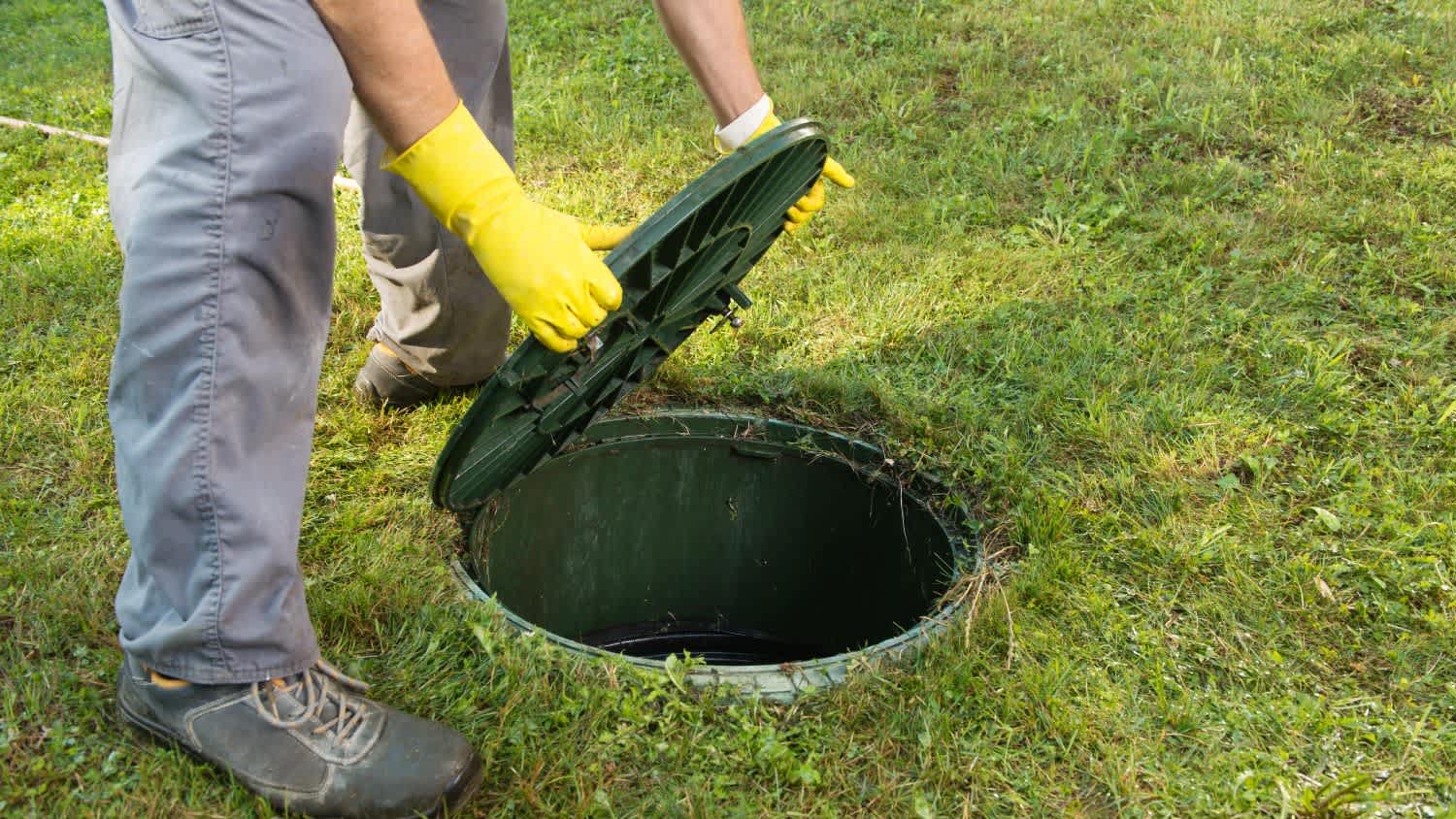
Most building projects and septic installations require soil testing to ensure proper drainage. Learn how much a perc test costs and what affects costs.
A perc test for septic analyzes the absorption rate of the soil where a tank is going to be installed. Learn more about the test, cost, and passing grades.


 4.5
 94