





Top-rated aquarium service pros.

Get matched with top aquarium service pros in Needles, CA

Enter your zip and get matched with up to 5 pros

Need a pro for your aquarium service project in Needles, CA?

Select your specific project to find the pro for you.

Find Aquarium service pros in Needles

Skyline Landscaping, Inc.
New to Angi
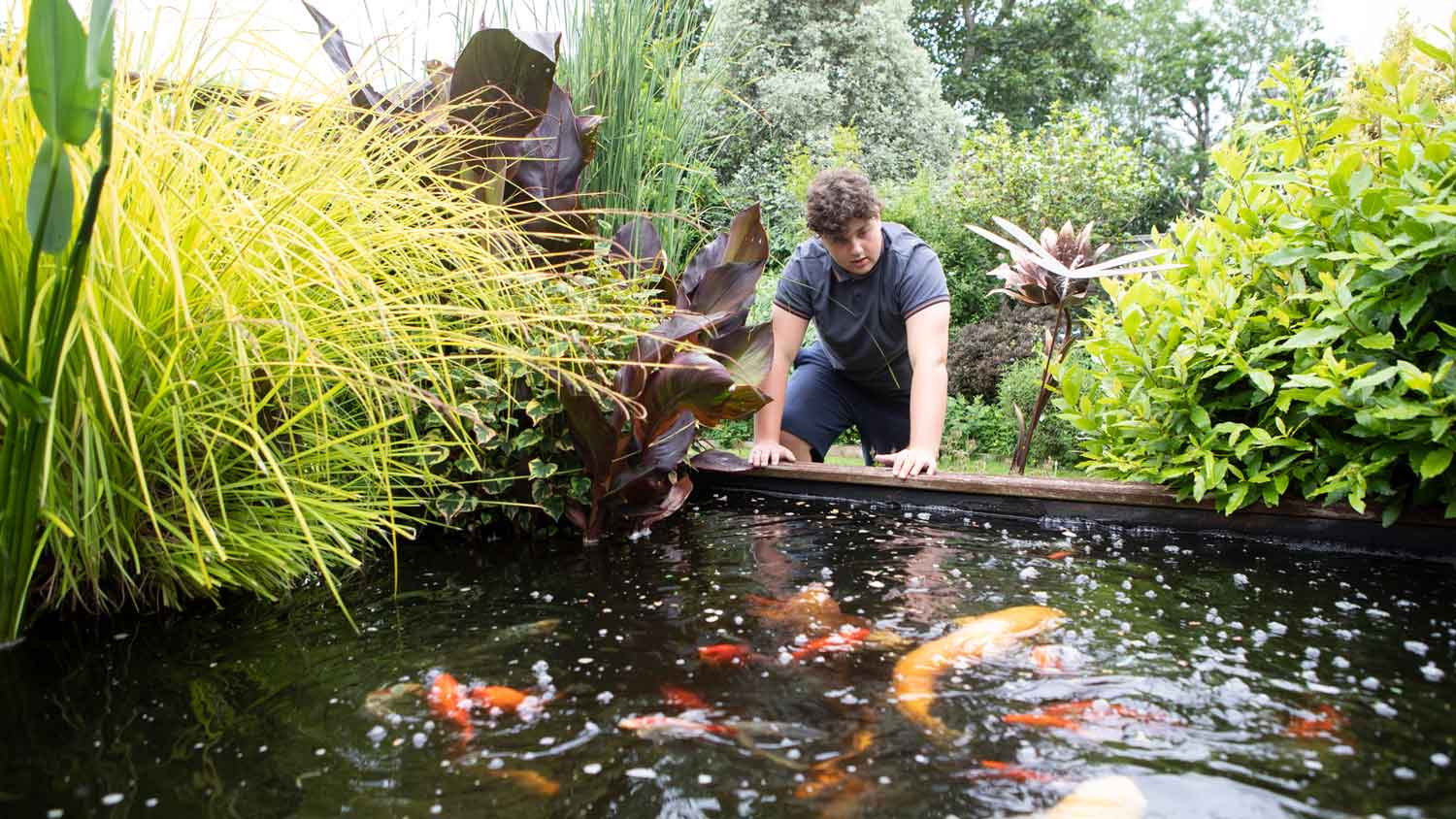
Water Feature - Install a Pond

Serving Needles, CA and surrounding areas

In business since 1976

Offers commercial services

At Skyline Landscaping INC we take pride in the beautiful ponds we take from imagination and turn into reality. Bernie has 40+ years in experience specializing in customized ponds that will accommodate your property wonderfully. We are a local business, and one of the only that is certified with HomeAdvisor to provide such services. Call us today to book an appointment now! \n\n*Bernie prefers to have all decision makers present at any meeting to make sure all are aware and in agreement right from the get go, for the best customer satisfaction!*

Response time1 day

Aquarium Services questions, answered by experts

It only takes a few days for a septic tank to fill with water after a pro has pumped it. This is completely normal, and the water is a vital part of your septic system’s wastewater treatment process. The water that fills your tank days after pumping is not the same as the tank being filled with waste. You shouldn’t have to pump your septic system more than once every three to five years unless you have a tank that’s too small for your home’s water output or there’s a problem with your leach field. 

Depending on the home, wastewater either goes into a septic tank and seeps back into the backyard or is sent via sewer system to a local sewage-treatment plant. Septic systems naturally separate different components of the waste so that it can naturally and safely disperse it. They are usually reserved for homes not served by a municipal sewage department (like rural homes). A treatment plant, on the other hand, speeds up that process through screening and purification.

When septic systems begin to fail, your waste will start to seep into the groundwater. You may notice a foul odor (it’ll smell like sewage) or a squishy, moist lawn. The grass right over your tank or drain field might grow super lush and green because your waste actually fertilizes it. Other signs include standing water in your drain field, slow-draining sinks and tubs, and gurgling noises in the plumbing.

The best times of year to pump or empty a septic tank are spring and fall. Many professionals recommend spring because the ground has thawed, making the tank easier to access, and any snowmelt or rainfall can aid in proper drainage. Pumping before summer is also ideal to avoid conflicts with vacations or outdoor gatherings.

Fall is another great option, as contractors may be less busy than in the spring. Servicing the tank in late fall or early spring can also reduce the risk of overflow from extra precipitation during winter and spring.

While summer is a possibility, winter is generally not recommended. The ground is often frozen, which can make it difficult to access the tank, and the waste inside may also be frozen.

You should pump your septic tank once every two to four years for a family of four, depending on your septic tank size. You should pump a 1,000-gallon septic tank every two years, while a 1,500-gallon tank should be pumped every four years. Water usage also affects how often you should pump your septic tank. If you notice slow drains, foul smells, or gurgling sounds from your drains, you should pump your septic tank as soon as possible.

The Needles, CA homeowners’ guide to aquarium services

From average costs to expert advice, get all the answers you need to get your job done.