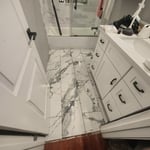
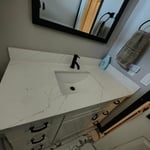
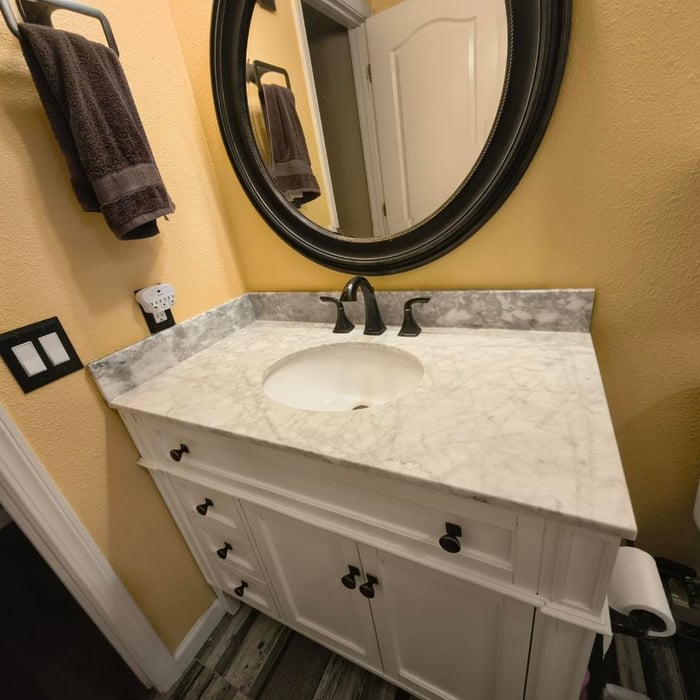
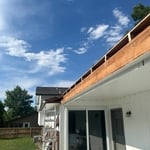
"They were trustworthy, professional and Pedro made sure everything was done correctly and that I was very pleased with this project, which lead to another project of ripping out 2 bedrooms and the hallway joining them carpet and replacing them with wood flooring that matches the wood in 2 other areas of my home! Excellent! I would hire this company again!"
"Assembly of several furniture items and trash removal was done well, very satisfied with the outcome. They were helpful to remove trash and a set of box springs as well. I would hire them again in the future."
"He did an amazing job. As a retired Law Enforcement officer, I am weary of folks coming to my home. He is trustworthy, respectful and he rates are very reasonable. I TRUST HIM YOU SHOULD TOO"
\n\nWe take great pride in our experience, expertise, quality, and customer service that we provide to meet the consumer's needs. It is our mission to provide excellent workmanship and complete customer satisfaction from start to completion of a project. In order to understand the needs and expectations of our customers, we take great care to work and communicate with every customer in a professional manner. Our reputation is based on service, safety, and quality, regardless of how large or small the job.
Here at Darron’s handyman services we install anything a business or homeowner would rather trust the professionals to do it! We are a veteran owned company supplying multiple needs for people in need. Open 24/7 and available at the ring of a phone
Hi, I'm Thomas, a second generation builder and retired general contractor. I offer trusted professional experience of over 30 years. Most of my experience has been in residential construction. I am looking for small projects I can complete on my own.
Safety steps include proper vent installation, connector tightness, and leak testing. A safe environment must be maintained throughout.
Most likely, a gas plumber would be the best pro for many components in your home, and you might not even realize it. Natural gas plumbers are responsible for maintaining and installing natural gas lines, including installing appliances that use natural gas. These can include:
Fireplaces
Water heaters
Furnaces
Hot tubs
Clothes dryers
Ovens
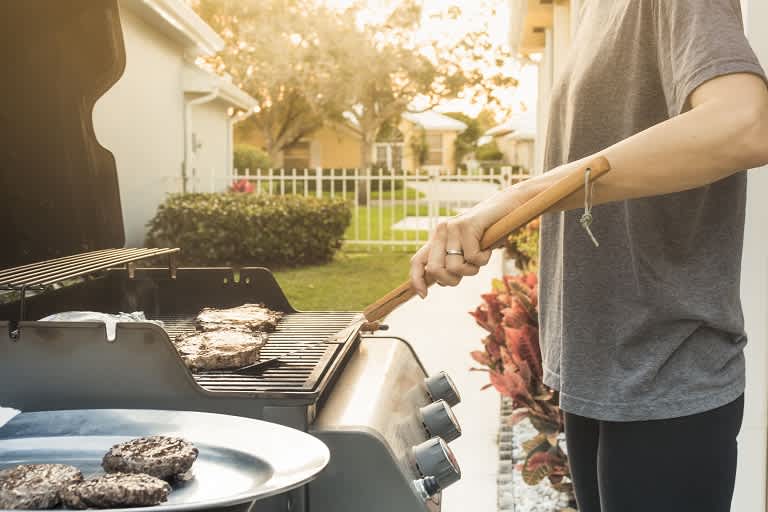
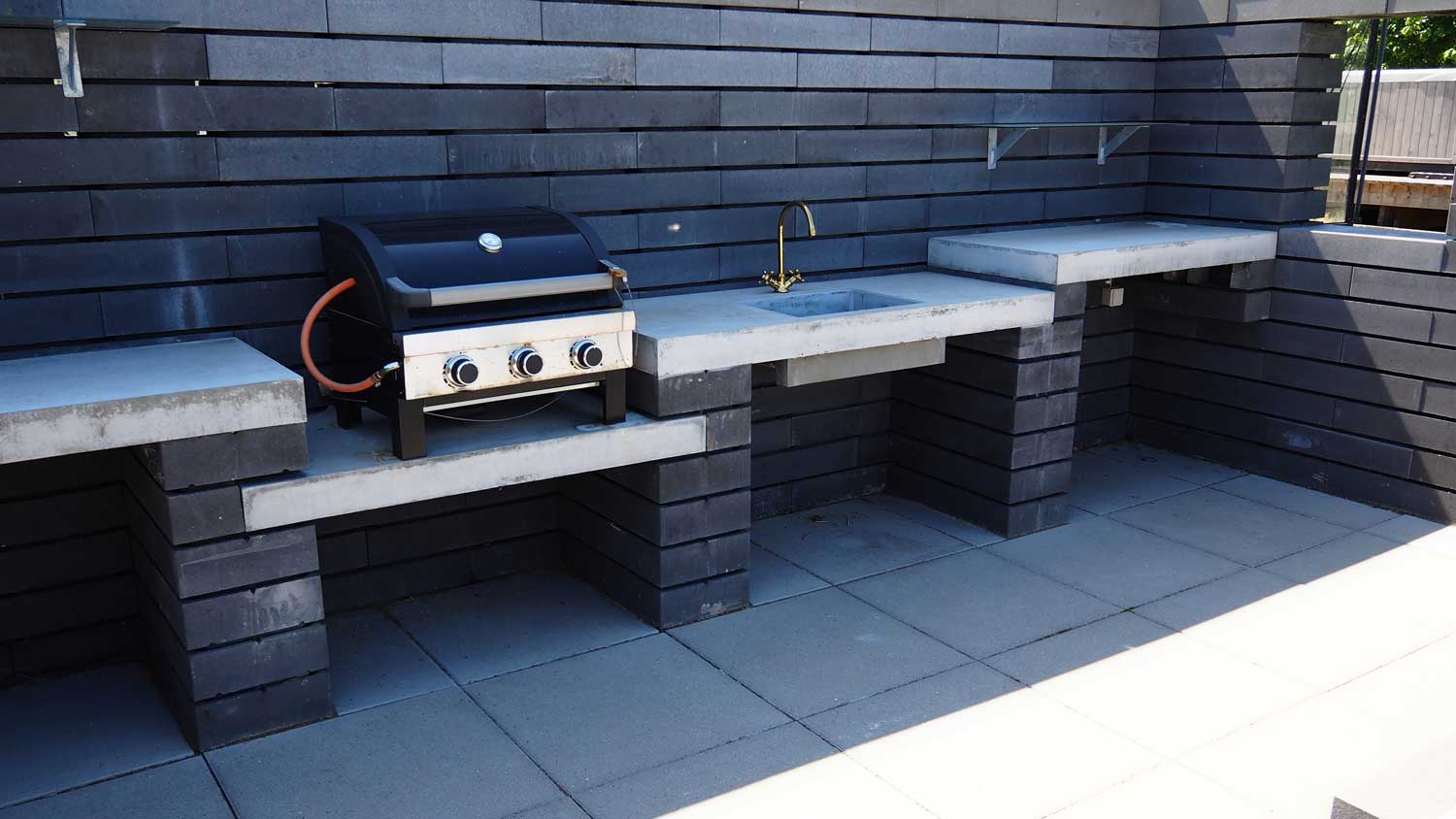
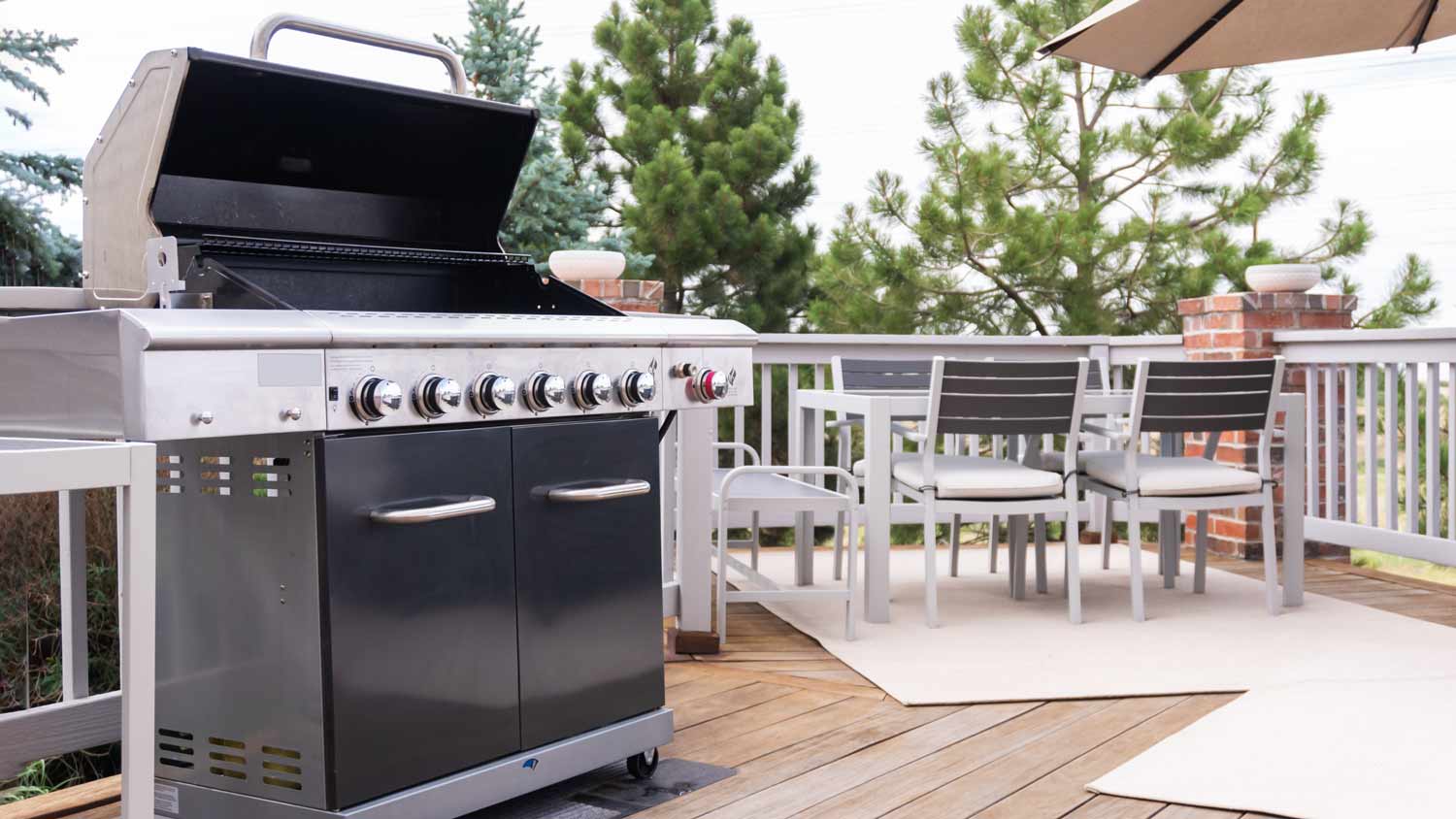
Outdoor grills
Gas plumbers are also the pros that would handle a natural gas leak in your home, so it's essential to know the signs of a gas leak before it becomes a dangerous situation.
On average, a gas grill can last from five to 15 years. The exact lifespan depends on several factors, including the brand and quality of the grill, frequency of use, and whether the gas line is buried or above ground. With proper maintenance and care, such as regular deep cleanings to remove food, grease, and carbon deposits, a grill's life can be extended. Protecting the grill from the elements with a cover can also prevent rust and reduce the need for repairs. Most grill manufacturers also offer extended warranties, which vary in coverage and terms.
Built-in gas grills typically have a life span of 10 to 15 years. However, their longevity can vary based on quality, usage frequency, climate conditions, and maintenance routines. High-quality models made from durable materials tend to last longer. Additionally, regular cleaning, covering the grill when not in use, and conducting routine maintenance tasks such as cleaning burners and replacing worn-out parts can extend its life. A well-maintained built-in gas grill can provide excellent performance and memorable cooking experiences for a decade or more, making it a worthwhile investment for outdoor cooking enthusiasts.
A few potential problems can cause your gas grill to stop working:
Burners aren’t properly aligned.
Food debris is clogging the burners.
Hose connections may be blocked.
Burners may not be getting enough gas.
Gas valve is not working properly.
If you’re experiencing any of those problems with your gas grill, hire a local grill repair professional to inspect your grill for issues and implement a plan to resolve them.
The Mendota, CA homeowners’ guide to grill assembly services
From average costs to expert advice, get all the answers you need to get your job done.
Planning a new outdoor cooking space? Learn everything you need to know about gas grill installation costs, setup options, and how to hire a local pro.
Don’t leave your grill behind when moving house. Learn how to move a grill safely so you can enjoy a home-cooked meal on your first night in your new place.