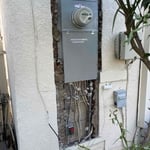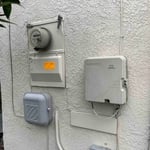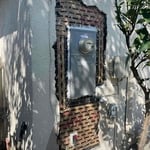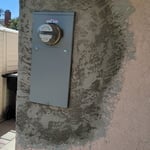





Top-rated generator install pros.

Best generator install pros near Lynwood, CA

Enter your zip and get matched with up to 5 pros

Need a pro for your generator install project in Lynwood, CA?

Select your specific project to find the pro for you.

Top-Rated Generator install pros in Lynwood - Updated Nov 2026

Avatar for ZERO ELECTRIC
ZERO ELECTRIC
4.9(
17
)
Fixed Generator - InstallGenerator - Install - For BusinessPortable Generator - Install

Serving Lynwood, CA and surrounding areas

Approved

Super Service Award Winner

In business since 2021

Free estimates

Credit card accepted

"My experience with Zero Electric was great! James was extremely knowledgeable about home generators and walked us through several pricing options that fit our budget. Their work was clean and efficient and I will definitely be hiring him in the future for our electrical issues."
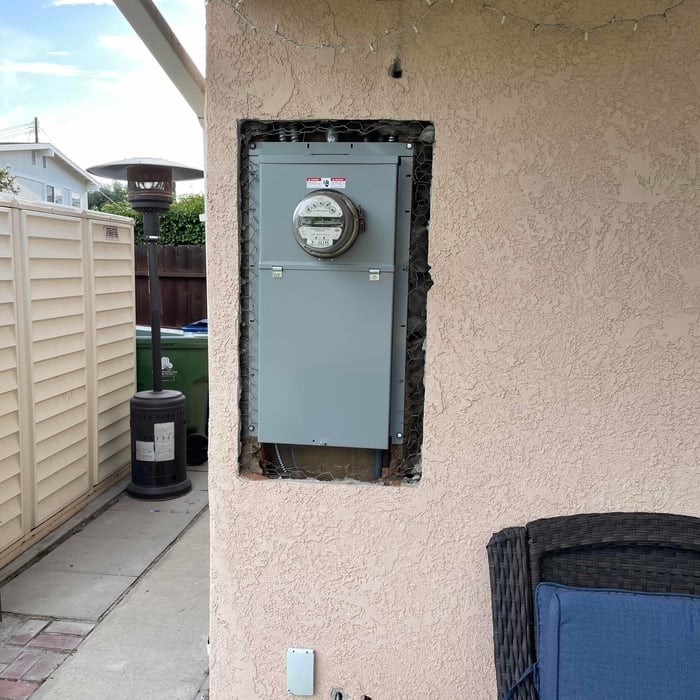
Additional Photos
Additional Photos
Additional Photos
Additional Photos
Additional Photos

+1

6 neighbors recently requested a quote
Recommended by41%of homeowners
Home Pro Remodeling & Construction, Inc.
4.1(
31
)
Portable Generator - Repair

Serving Lynwood, CA and surrounding areas

Approved

In business since 2019

Free estimates

Credit card accepted

"This was an usual project. It was redoing a mini bar. Hard to find a contractor that would do it or had the time. Homepro was great lead by project manager Shir Hadad. Jumped right in there and took it on and got the job done. Really appreciate their professionalism."
Response time5 days
Recommended by77%of homeowners
Zacharie Ponce
New to Angi
Portable Generator - Repair

Serving Lynwood, CA and surrounding areas

Approved

Free estimates

Emergency services offered

Small jobs welcome

Electrician with over 10 years of residential and commercial experience. I provide professional installations with a focus on safety and budget friendliness. My craftsmanship is specialized in:\n-New construction \n-Remodeling\n-Custom LED fixtures \n-Panel upgrades\n-EV chargers\n-Troubleshooting\nWorking out of LA county and willing to travel to Ventura and Orange counties.

...
Showing 1-10 of 190
Generator Install FAQs, answered by experts

While natural gas generators are costly, they’re a great option for standby power due to the reliability of natural gas as a fuel source. Unlike other fuels, natural gas is delivered through underground pipes, making outages extremely rare and less likely to be affected by the elements. As long as the area isn’t prone to earthquakes, they offer an unlimited supply of natural gas that doesn’t degrade over time or require storage in tanks.

In many cases, yes. There are models called dual-fuel generators and fuel switches, but only between certain types of fuel. For example, with the right setup you can convert a generator from natural gas to propane. Some allow switching between diesel and gasoline. There are even tri-fuel generators available in some cases, which adds a large layer of security if you are worried about fuel availability in times of crisis. Always check your generator capabilities and manual instructions before trying to switch fuels. Some generators can use another fuel but may need a fuel conversion kit to prep them first.

You can determine what size generator you need for a transfer switch by matching the switch to the largest outlet on your generator. Larger generators can power up to 10 circuits, while most 5,000-watt generators can provide power to six circuits. So, if your generator’s largest outlet is 30 amps, you’ll need a 30-amp transfer switch.

To power a central air system during a power outage, the whole-house generator will need to be at least 5,000 watts, and this number will significantly increase for larger units. Check the specific wattage requirements of your AC unit to choose the right generator size. Consider consulting a generator installer to ensure your whole-house generator meets your electrical load needs.

To determine the right size generator for your house, you should calculate the total wattage of the appliances and devices you want to power during an outage. List all essential items, note their start-up wattages, and add them together.

Here are some typical wattage requirements for common appliances:

  • Refrigerator: 600 watts

  • Large dehumidifier: 700 watts

  • Large window air conditioner: 1,400 watts

  • Water heater: 3,000 to 4,500 watts

  • Electric furnace: 5,000 to 25,000 watts

A 7,500-watt generator might be sufficient for essentials like a refrigerator, freezer, well pump, and lighting circuits. However, for high-demand items like a water heater or furnace, a whole-home generator is a better choice. A portable generator may be enough if you only need to power a few critical items.

While home square footage can offer a rough estimate, it is not always a reliable indicator. For reference, here are some typical generator sizes based on square footage:

  • 1,000 sq ft: 6–9 kW

  • 1,500 sq ft: 7–10 kW

  • 2,000 sq ft: 10–14 kW

  • 2,500 sq ft: 12–16 kW

  • 3,000 sq ft: 16–20 kW+

For the most accurate sizing, consult a professional who can calculate your home's peak and average power consumption and recommend the optimal generator.

The Lynwood, CA homeowners’ guide to generator installs

From average costs to expert advice, get all the answers you need to get your job done.