




Top-rated plaster repair specialists.

Get matched with top plaster repair specialists in Loleta, CA

Enter your zip and get matched with up to 5 pros

Need a pro for your plaster repair project in Loleta, CA?

Select your specific project to find the pro for you.

Find Plaster repair specialists in Loleta

Avatar for Ocean Seven Builders
Ocean Seven Builders
4.6(
68
)
Plaster - InstallPlaster - Install - For BusinessPlaster - Repair+1 more

Serving Loleta, CA and surrounding areas

In business since 1994

Free estimates

Emergency services offered

"Our bathroom was outdated and cramped, so we decided to remodel with Ocean Seven Builders. Ron was involved throughout the process and made sure we understood each step. What stood out most was how organized everything felt once the work began. The team was respectful of our home and finished the project close to the expected timeline. The final result looks modern and much more functional!"
Additional Photos
Additional Photos
Additional Photos
Recommended by59%of homeowners
Plaster Repair questions, answered by experts

Although they are used for similar tasks, spackle and joint compound are not the same. Joint compound, also known as drywall mud, consists of limestone and gypsum and is primarily used for large-scale projects like taping and finishing seams on new drywall. Spackle is composed of gypsum and binding agents, making it a thicker compound best suited for small wall repairs like filling nail holes or cracks, as it dries quickly and is easy to sand. For small repairs, either product can be suitable. However, you can use joint compound for small jobs in place of spackle, but you cannot use spackle for large-scale taping and mudding projects.

All plaster walls will crack over time due to normal house settling and expansion and contraction from temperature and moisture changes. Small, thin hairline cracks are generally not serious and are mostly a cosmetic issue. However, larger or more significant cracks can indicate structural problems.

Here's how to tell the difference:

  • Cosmetic Cracks: Cracks that are 0.5 cm (0.2 inches) or thinner are typically cosmetic.

  • Structural Cracks: Cracks wider than 0.5 cm, excessive or deep cracks, multiple cracks in the same area, or cracks that span around corners can signify a structural or foundation issue. Cracks along the joints where walls meet the ceiling also warrant attention.

For cracks wider than 0.5 cm, structural repair is needed. If a crack is 2.5 cm (1 inch) or wider, or if you notice any signs of a structural problem, it is best to contact a plaster repair professional to assess the damage.

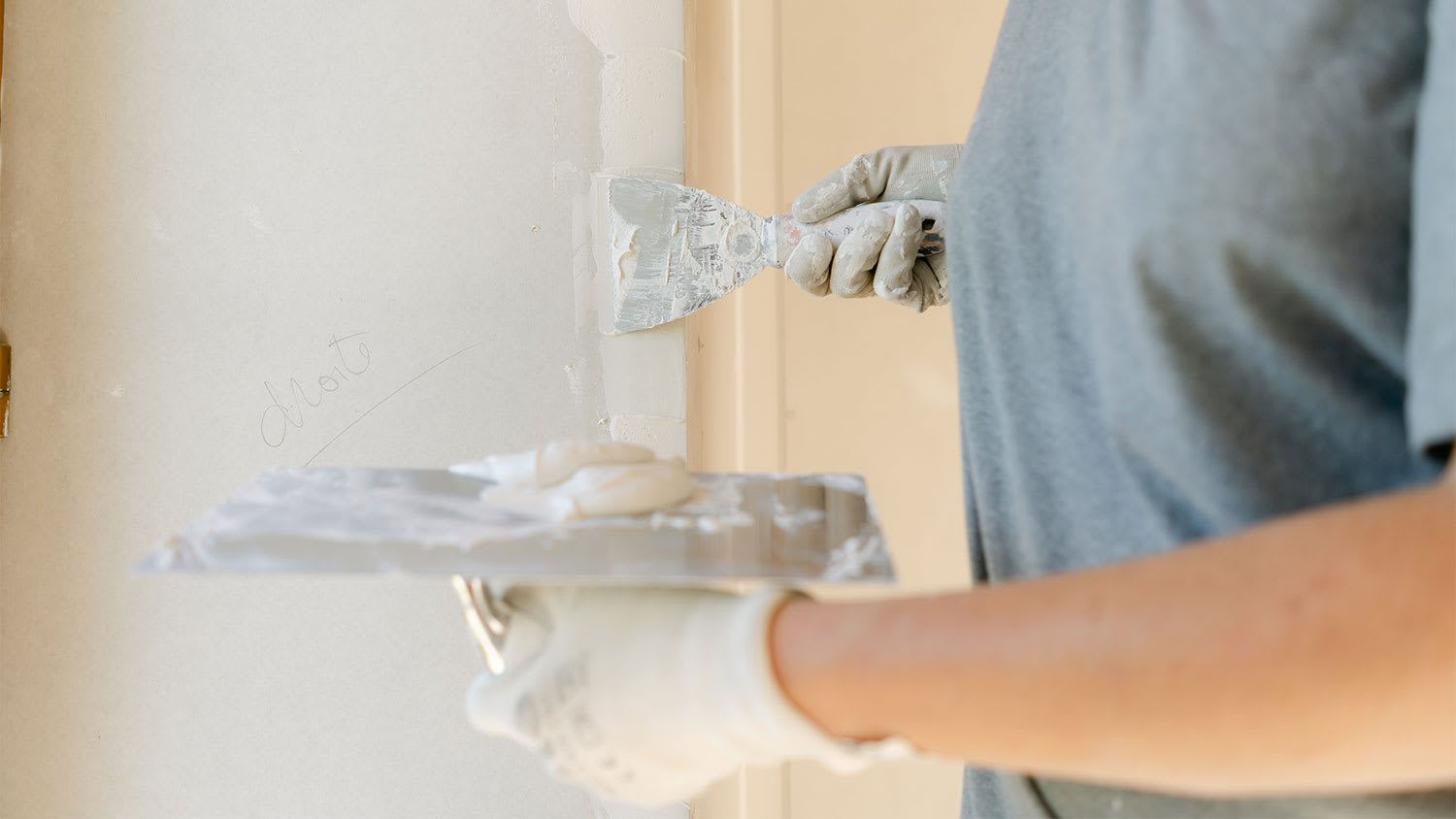
If the holes in the plaster are small, you can fill them with layers of patching plaster until they’re filled. After it dries, you can sand the plaster and paint over it. If the hole is much larger, consider using bonding plaster first and then a layer of patching plaster, completing the process with sanding and a layer of paint.

Yes, you can apply new plaster over an existing plaster surface, such as a wall or ceiling, provided the old plaster is in good condition. Before you begin, check the stability of the existing plaster. The surface must be clean, free of loose material, and have no peeling paint. It is also recommended to roughen the surface slightly to promote adhesion. For older plaster, applying a base coat like a PVA emulsion or a specific bonding agent or primer is crucial. This step makes the existing plaster less porous and ensures the new and old layers adhere properly for a smooth, long-lasting finish.

You can skim coat plaster, but it’s better to repair the plaster itself. A skim coat is a thin coat of drywall joint compound spread over the surface of a wall. The result is a flat finish that looks pleasing, but part of the appeal of plaster is its imperfections and aesthetic. Skim coating is best when limited to drywall applications.

The Loleta, CA homeowners’ guide to plaster repairs

From average costs to expert advice, get all the answers you need to get your job done.